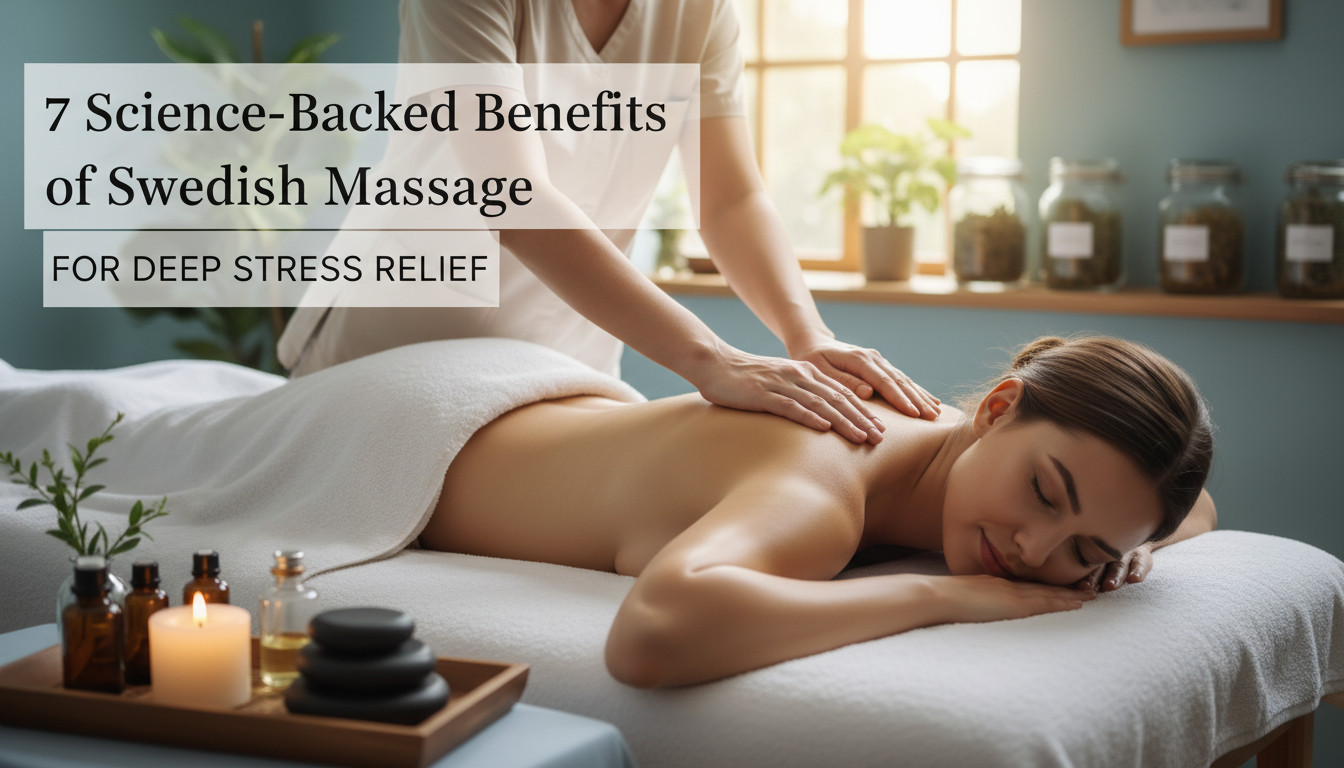
In our fast-paced, digital-centric world, chronic stress has become a quiet epidemic. While many view a massage as a luxury reserved for spa days, Swedish massage—the most common form of massage therapy—is actually a scientifically validated tool for physiological and psychological restoration. Developed in the 19th century, this modality uses specific techniques like effleurage (long, gliding strokes) and petrissage (kneading) to manipulate soft tissues.
Beyond the immediate sensation of relaxation, Swedish massage triggers a cascade of biological responses that combat the “fight or flight” mechanism. By understanding the science behind these benefits, you can transition from viewing massage as a treat to seeing it as a vital component of your long-term wellness strategy.
The Physiology of Swedish Massage
Swedish massage primarily targets the superficial layers of muscle and the circulatory system. Unlike deep tissue massage, which focuses on intense pressure to release chronic knots, Swedish massage uses rhythmic movements to stimulate blood flow and calm the nervous system. This stimulation encourages the body to switch from the sympathetic nervous system (stress mode) to the parasympathetic nervous system (recovery mode).
7 Skincare Science-Backed Benefits for Stress Relief
1. Significant Reduction in Cortisol Levels
Cortisol is known as the body’s primary stress hormone. While it is essential for survival, chronically high levels can lead to weight gain, high blood pressure, and weakened immunity. Multiple clinical studies, including research published in the International Journal of Neuroscience, have shown that Swedish massage can reduce cortisol levels by up to 30%. This hormonal shift allows the body to exit a state of constant high alert.
2. Boosting “Feel-Good” Neurotransmitters
Massage doesn’t just lower the bad hormones; it actively increases the good ones. Research indicates that Swedish massage sessions can lead to a 28% increase in serotonin and a 31% increase in dopamine. These neurotransmitters are responsible for mood stabilization, motivation, and feelings of happiness, making massage an effective complementary treatment for mild depression and seasonal affective disorder.
3. Lowering Blood Pressure and Heart Rate
Stress often manifests physically through a racing heart and elevated blood pressure. The soothing, repetitive motions of Swedish massage help to lower the heart rate and reduce systolic and diastolic blood pressure. By promoting vasodilation (the widening of blood vessels), the massage improves circulation, reducing the strain on the cardiovascular system and providing a deep sense of calm.
4. Improvement in Sleep Quality
Stress and sleep issues are caught in a vicious cycle. Swedish massage helps break this cycle by affecting delta waves—the brain waves associated with deep sleep. By increasing the time spent in these restorative stages of sleep, massage helps individuals wake up feeling more refreshed and better equipped to handle daily stressors.
5. Relief from Tension Headaches
Physical stress often accumulates in the neck, shoulders, and scalp, leading to tension headaches. Swedish massage techniques specifically target these areas to release myofascial tightness. Regular sessions have been shown to reduce the frequency and intensity of headaches, providing a non-pharmacological alternative for chronic sufferers.
6. Enhanced Immune System Function
Chronic stress suppresses the immune system, making you more susceptible to illness. A study conducted by researchers at Cedars-Sinai Medical Center found that a single 45-minute Swedish massage session significantly increased the number of lymphocytes—white blood cells that play a central role in defending the body from disease. This suggests that regular massage can actually make your body more resilient to physical stress.
7. Reduction in Generalized Anxiety
The intentional, therapeutic touch involved in Swedish massage provides a sense of safety and grounding. For individuals struggling with generalized anxiety disorder (GAD), massage serves as a somatic therapy that helps reconnect the mind with the body. The reduction in physical tension often leads to a corresponding decrease in “mental chatter” and intrusive thoughts.
Swedish Massage vs. Deep Tissue: Which is Better for Stress?
Choosing the right modality is essential for achieving your specific health goals. The following table highlights the key differences regarding stress management.
| Feature | Swedish Massage | Deep Tissue Massage |
|---|---|---|
| Primary Goal | Relaxation and circulation | Chronic pain and injury recovery |
| Pressure Level | Light to medium | Firm to intense |
| Nervous System Impact | Triggers “Rest and Digest” mode | Can initially trigger “Fight or Flight” due to intensity |
| Best For | Mental stress, fatigue, and general tension | Athletes, chronic knots, and postural issues |
Pros and Cons of Swedish Massage
Pros
- High Accessibility: Almost every certified massage therapist is trained in Swedish techniques.
- Low Recovery Time: Unlike deep tissue work, you rarely feel “bruised” or excessively sore the next day.
- Holistic Benefits: Addresses both physical muscle tension and mental emotional fatigue simultaneously.
- Customizable: Pressure can be easily adjusted based on your comfort level.
Cons
- Temporary Relief: While highly effective, the benefits are cumulative and require regular sessions for long-term stress management.
- Not for Deep Injuries: It may not be enough to resolve severe, chronic muscular adhesions or athletic injuries.
- Cost: Professional massage therapy can be expensive if not covered by health insurance or a wellness HSA.
Practical Guidance: Getting the Most Out of Your Session
To maximize the stress-relieving benefits of your Swedish massage, consider the following expert tips:
Hydrate Before and After
Massage stimulates lymphatic drainage and circulation. Drinking water helps your kidneys process any metabolic waste released from the muscles during the session.
Communicate with Your Therapist
EEAT-aligned practice involves a two-way dialogue. If the pressure is too light or too heavy, speak up. The goal is relaxation; if you are tensing up because of discomfort, the massage will be less effective for stress relief.
Schedule Mindfully
Try to avoid scheduling a high-stress meeting immediately after your massage. Give yourself at least 30 to 60 minutes of “buffer time” to let the parasympathetic nervous system response settle in.
Frequently Asked Questions
How often should I get a Swedish massage for stress relief?
For general stress management, many therapists recommend a session once every two to four weeks. However, during particularly high-stress periods (such as a major project at work), weekly sessions may be more beneficial for maintaining nervous system balance.
Is Swedish massage safe for everyone?
While generally safe, individuals with certain conditions like deep vein thrombosis (DVT), severe osteoporosis, or certain skin infections should consult a doctor first. Always disclose your full medical history to your therapist during the intake process.
Will I be sore after a Swedish massage?
It is uncommon to feel significant soreness after a Swedish massage because the pressure is moderate. However, if you haven’t had a massage in a long time, you might experience mild “good” soreness, similar to the feeling after a light workout, as blood flow increases to dormant tissues.
Can I get a Swedish massage while pregnant?
Yes, but it is typically referred to as Prenatal Massage. It uses Swedish techniques adapted for the safety and comfort of the mother and baby. Ensure your therapist is specifically certified in prenatal care.
How long does a typical session last?
Standard sessions are 60 or 90 minutes. A 60-minute session is usually sufficient for a full-body relaxation experience, while 90 minutes allows the therapist to spend more time on specific “stress holds” like the neck and lower back.
—
Topic: Benefits of Swedish massage for stress relief
Tags: #Skincare ScienceBacked #Benefits #Swedish #Massage #Deep #Stress #Relief