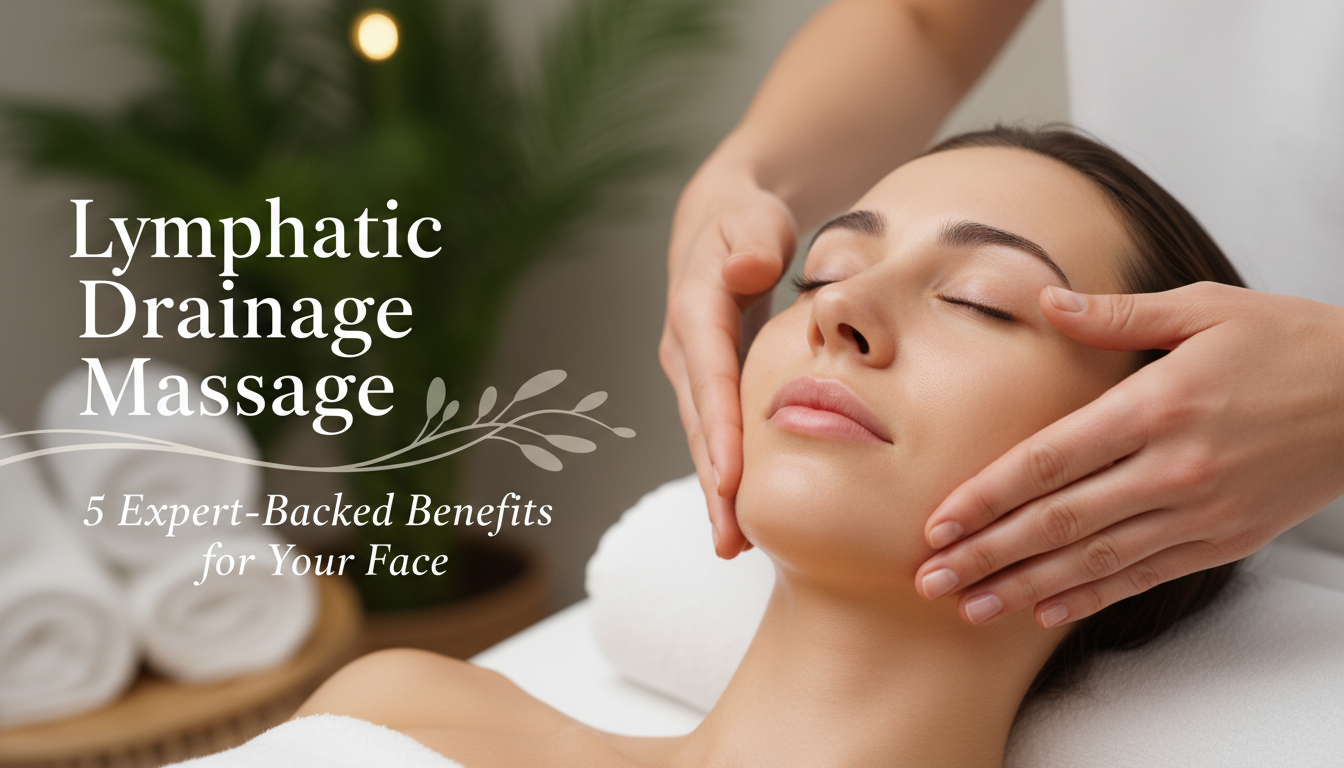
In the world of holistic skincare, few techniques have gained as much traction as lymphatic drainage massage. Once a best-kept secret among high-end estheticians and celebrity facialists, this gentle, rhythmic treatment is now a staple for anyone seeking a “snatched” jawline and a radiant complexion. But beyond the viral TikTok videos, there is a deep-rooted physiological basis for why moving fluid around your face can transform your appearance.
The lymphatic system is often described as the body’s internal filtration system. Unlike the circulatory system, which relies on the heart to pump blood, the lymphatic system has no central pump. It depends on muscle movement and manual stimulation to transport “lymph”—a fluid containing white blood cells and metabolic waste—to the lymph nodes for filtration. When this flow becomes sluggish in the facial area, the results are often visible in the form of dullness, puffiness, and congestion.
Understanding Facial Lymphatic Drainage
Facial lymphatic drainage involves very light, intentional pressure and rhythmic strokes. Because the lymphatic vessels are located just beneath the surface of the skin, heavy pressure is unnecessary and can actually collapse the vessels, making the treatment less effective. By stimulating these pathways, you encourage the drainage of interstitial fluid toward the major lymph nodes located near the ears and down the neck.
Whether performed by a professional or at home using your hands, a gua sha tool, or a jade roller, the physiological benefits remain the same. Here are five expert-backed reasons to integrate this practice into your skincare ritual.
1. Significant Reduction in Puffiness and Water Retention
The most immediate and visible benefit of lymphatic drainage is the reduction of “edema,” or fluid retention. Factors like high-sodium diets, lack of sleep, allergies, and hormonal fluctuations can cause fluid to pool in the delicate tissues of the face, particularly around the eyes and jawline.
By manually directing this fluid toward the lymph nodes, you effectively “de-puff” the face. This process clears the accumulation of excess water, leading to a more refreshed and rested appearance. It is particularly effective for those who experience “morning puffiness” that doesn’t seem to dissipate on its own.
2. Natural Sculpting and Facial Contouring
While lymphatic drainage cannot change your bone structure or melt fat, it can reveal the underlying architecture of your face that is often hidden by fluid. By clearing the lymph from the mid-face and jaw areas, the cheekbones appear more prominent and the jawline more defined.
Experts often refer to this as a “natural facelift.” Regular sessions can help maintain a more contoured look, as consistent drainage prevents the chronic buildup of fluid that can make the face look “heavy” or sagging over time.
3. Enhanced Skin Radiance and “The Glow”
Stagnant lymph can lead to a sallow, dull complexion because cellular waste is not being efficiently removed. When you stimulate lymphatic flow, you also indirectly support local blood circulation. This increased micro-circulation delivers a fresh supply of oxygen and essential nutrients to the skin cells.
The result is a noticeable “glow-from-within.” Over time, this improved nutrient delivery supports the skin’s natural regeneration process, leading to a more vibrant and even skin tone.
4. Detoxification and Acne Management
For individuals struggling with certain types of acne or skin congestion, lymphatic drainage can be a supportive therapy. The lymphatic system is responsible for removing toxins, bacteria, and cellular debris. When the system is sluggish, these “wastes” can contribute to inflammation and breakouts.
By keeping the pathways clear, you create a cleaner environment for your skin to thrive. While it is important to avoid massaging directly over active, cystic acne (to prevent spreading bacteria), draining the surrounding areas can reduce the inflammation and swelling associated with breakouts, allowing the skin to heal faster.
5. Relief from Sinus Pressure and Tension
Beyond the aesthetic perks, facial lymphatic drainage offers significant wellness benefits. Many people carry tension in their jaw (TMJ) and brow area, which can impede fluid flow. Furthermore, those suffering from chronic sinus congestion or seasonal allergies can find immense relief through this technique.
The rhythmic movements help to move mucus and fluid out of the sinus cavities. This can reduce the feeling of “heaviness” in the face and may even help alleviate sinus-related headaches.
Comparing Methods: Professional vs. At-Home
While at-home tools are convenient, there are distinct differences between a DIY session and a professional treatment.
| Feature | At-Home (Gua Sha/Rollers) | Professional (Manual Lymphatic Drainage) |
|---|---|---|
| Technique | User-led; often relies on tools. | Expert “Vodder Method” or specialized hand movements. |
| Pressure | Variable; often too firm. | Precisely calibrated light pressure. |
| Results | Great for daily maintenance. | Deeply therapeutic and highly targeted. |
| Cost | One-time tool investment. | Per-session fee ($100 – $250+). |
Pros and Cons of Lymphatic Drainage Massage
Pros
- Non-Invasive: It provides a contoured look without the need for needles or downtime.
- Relaxing: The slow, rhythmic nature of the massage lowers cortisol levels and calms the nervous system.
- Improves Product Absorption: By reducing congestion, your serums and moisturizers can penetrate more effectively.
- Immediate Gratification: De-puffing results are often visible within minutes.
Cons
- Temporary Results: Without lifestyle changes or regular practice, the fluid will eventually return.
- Technique Sensitive: Pulling the skin too hard or moving in the wrong direction can be counterproductive.
- Contraindications: It is not suitable for those with active skin infections, fever, or certain heart conditions.
Frequently Asked Questions
How often should I do facial lymphatic drainage?
For at-home maintenance, 2–3 times a week is ideal for most people. However, doing a quick 2-minute routine daily during your cleansing step can yield the most consistent results in terms of puffiness control.
Can I do this if I have Botox or Fillers?
It is generally recommended to wait at least 2 weeks after receiving Botox or dermal fillers before performing any facial massage. Massaging too soon can potentially move the product into unwanted areas. Always consult with your injector first.
Which direction should I massage?
The golden rule of lymphatic drainage is to move fluid toward the “drainage points.” For the face, this generally means moving from the center of the face outward toward the ears, and then down the sides of the neck toward the collarbone.
Do I need an expensive tool to see results?
No. While Gua Sha stones and jade rollers are popular and can provide a cooling effect, your fingertips are perfectly effective tools. The most important factor is the technique and the lightness of the touch.
Who should avoid lymphatic drainage?
You should avoid this massage if you have an active skin infection (like cold sores or shingles), a fever, undiagnosed lumps, or if you have a history of blood clots. If you are pregnant or have a chronic health condition, it is always best to consult your doctor first.
—
Topic: Lymphatic drainage massage benefits for face
Tags: #Lymphatic #Drainage #Massage #ExpertBacked #Benefits #Face