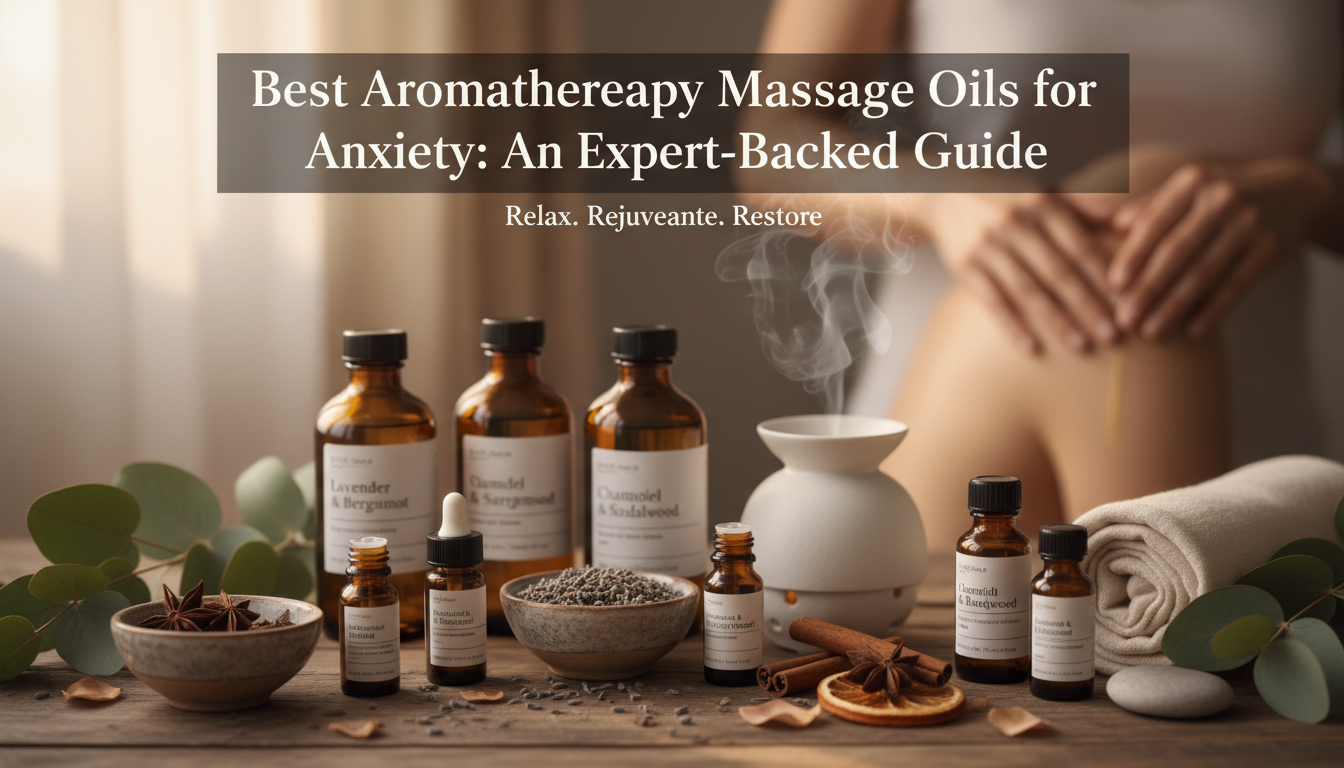
In a world characterized by constant connectivity and high-stress environments, finding a moment of genuine stillness is more than a luxury—it is a physiological necessity. Aromatherapy massage offers a dual-action approach to stress management, combining the therapeutic power of touch with the profound neurological effects of essential oils. By targeting the nervous system through both the skin and the olfactory system, these oils help transition the body from a “fight or flight” state into “rest and digest” mode.
Selecting the right massage oil for anxiety requires more than just picking a pleasant scent. It involves understanding the chemistry of plant extracts and how they interact with our limbic system—the part of the brain responsible for emotions and memory. This guide explores the most effective, expert-backed aromatherapy oils to help you or your clients find relief from the heavy weight of anxiety.
How Aromatherapy Calms the Anxious Mind
When you inhale the molecules of an essential oil, they travel through the olfactory bulb directly to the amygdala and hippocampus. This bypasses the logical brain, providing an immediate emotional response. Simultaneously, when applied during a massage, these oils are diluted in carrier oils and absorbed through the skin, entering the bloodstream to provide localized and systemic relaxation.
Research suggests that specific compounds, such as linalool in lavender or limonene in citrus oils, can lower cortisol levels and encourage the release of serotonin and dopamine. This biochemical shift is what creates that signature “post-massage glow” and a lasting sense of mental clarity.
The Best Essential Oils for Anxiety Relief
Not all oils are created equal when it comes to calming the mind. Here are the top-tier essential oils recommended by aromatherapists for managing anxiety and stress.
1. Lavender (Lavandula angustifolia)
Widely considered the “Swiss Army Knife” of essential oils, lavender is the most researched oil for anxiety. Its high concentration of linalyl acetate and linalool makes it incredibly effective at slowing down a racing heart and promoting a sense of peace. It is the gold standard for anyone struggling with sleep-related anxiety.
2. Bergamot (Citrus bergamia)
Unlike other citrus oils that can be overly stimulating, Bergamot is uniquely calming. It has the rare ability to be both uplifting and grounding. Studies have shown that Bergamot can reduce feelings of fatigue and lower salivary cortisol, making it excellent for those who feel “tired but wired.”
3. Roman Chamomile (Anthemis nobilis)
If your anxiety manifests as irritability or a “knot” in the stomach, Roman Chamomile is the ideal choice. Known for its gentle sedative properties, it helps quiet the internal chatter of a worried mind and is safe enough for sensitive individuals.
4. Ylang Ylang (Cananga odorata)
Ylang Ylang is often used to address the physical symptoms of anxiety, such as high blood pressure and rapid breathing. Its heavy, floral aroma is deeply sedative and can help release pent-up frustration and emotional tension.
5. Frankincense (Boswellia carterii)
For those who feel scattered or ungrounded, Frankincense provides a sense of “spiritual grounding.” It encourages deep, diaphragmatic breathing, which is the body’s natural off-switch for the stress response.
The Role of Carrier Oils
Essential oils are too potent to be applied directly to the skin. They must be diluted in a carrier oil. The carrier oil not only protects the skin from irritation but also determines how well the essential oils are absorbed and how the massage feels.
| Carrier Oil | Best For | Absorption Rate |
|---|---|---|
| Sweet Almond Oil | All skin types; classic massage texture. | Medium |
| Jojoba Oil | Oily or acne-prone skin; mimics natural sebum. | Fast |
| Fractionated Coconut Oil | Long shelf life; non-greasy feel. | Fast |
| Grapeseed Oil | Sensitive skin; very lightweight. | Very Fast |
Creating Your Own Anxiety-Relief Blend
To create a professional-grade massage oil at home, aim for a 2% dilution. This is generally considered safe for daily use on healthy adults. This translates to roughly 10–12 drops of essential oil per 1 ounce (30ml) of carrier oil.
Expert Tip: The “Deep Peace” Blend
- 5 drops Lavender (for relaxation)
- 3 drops Bergamot (for mood elevation)
- 2 drops Frankincense (for grounding)
- 30ml Sweet Almond Oil
Pros and Cons of Aromatherapy Massage Oils
Pros and Cons of Using Essential Oils for Anxiety
Pros
- Holistic Support: Addresses both physical tension and emotional distress simultaneously.
- Non-Invasive: Provides a natural alternative or complement to traditional stress management techniques.
- Customizable: Blends can be tailored to individual scent preferences and specific types of anxiety.
- Immediate Effect: The olfactory system responds within seconds of inhalation.
Cons
- Sensitivities: Some individuals may experience skin irritation or allergic reactions to specific plant extracts.
- Photosensitivity: Certain oils (like Bergamot) can make the skin more sensitive to UV rays.
- Quality Variation: The market is flooded with synthetic “fragrance oils” that lack therapeutic benefits; sourcing pure, therapeutic-grade oils is essential.
Safety Precautions and Best Practices
Before beginning any aromatherapy regimen, it is important to perform a patch test. Apply a small amount of the diluted oil to the inside of your elbow and wait 24 hours to check for any adverse reactions. Additionally, if you are pregnant, nursing, or managing a chronic health condition, consult with a healthcare professional or a certified aromatherapist, as some oils can interfere with medications or hormonal balance.
Frequently Asked Questions
How often can I use aromatherapy massage oils for anxiety?
For most healthy adults, a daily application or massage is safe. However, it is often most effective when used “as needed” during periods of heightened stress or as part of a nightly wind-down routine to improve sleep quality.
Can I apply essential oils directly to my skin?
No, you should never apply pure essential oils directly to the skin (this is known as “neat” application). Essential oils are highly concentrated and can cause chemical burns or long-term sensitization. Always dilute them in a carrier oil first.
What is the shelf life of a homemade massage oil?
Most homemade blends will last between 6 to 12 months. To maximize shelf life, store your oils in dark glass bottles (amber or cobalt) and keep them in a cool, dry place away from direct sunlight, which can oxidize the oils and diminish their potency.
Are there any essential oils I should avoid for anxiety?
While most oils are safe, stimulating oils like Peppermint, Rosemary, or Cinnamon can sometimes increase heart rate or mental alertness, which may inadvertently worsen feelings of jitteriness or “panic-style” anxiety in some individuals.
Do these oils cure anxiety disorders?
Aromatherapy massage oils are a supportive tool for managing symptoms and promoting relaxation; they are not a “cure” for clinical anxiety disorders. They work best as part of a comprehensive wellness plan that may include therapy, exercise, and medical guidance.
—
Topic: Aromatherapy massage oils for anxiety
Tags: #Aromatherapy #Massage #Oils #Anxiety #ExpertBacked #Guide