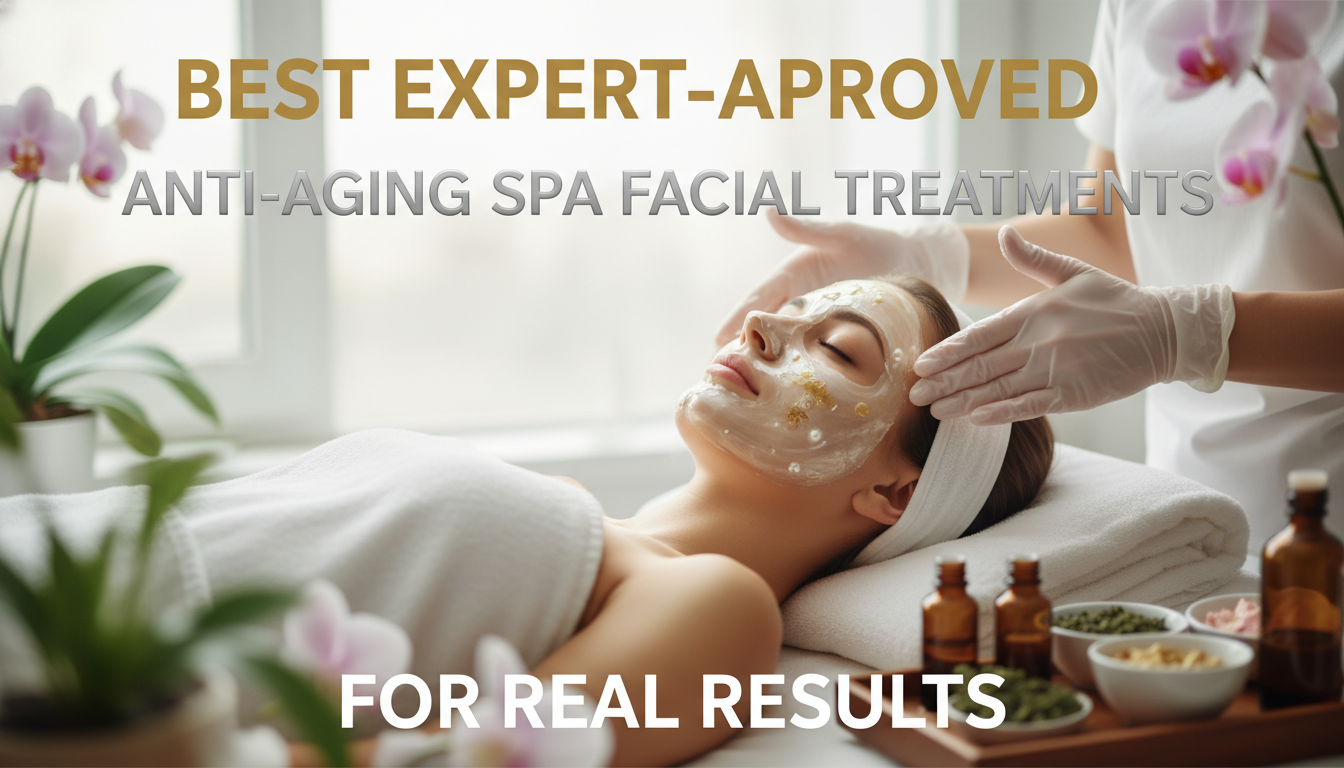
In an era where “glass skin” and longevity are the gold standards of beauty, the distinction between a relaxing spa day and a clinical results-driven treatment has never been clearer. While traditional European facials offer a moment of zen, those seeking to reverse fine lines, address hyperpigmentation, and restore lost volume often require more advanced interventions.
Modern medical spas and high-end aesthetic clinics now bridge the gap between topical skincare and surgical procedures. By leveraging pharmaceutical-grade ingredients and cutting-edge technology, these expert-approved treatments stimulate the body’s natural regenerative processes. If you are looking to invest in your skin’s future, understanding which treatments provide clinical-grade results is the first step toward a more youthful, radiant complexion.
Top Expert-Recommended Anti-Aging Facials
The best anti-aging treatments focus on two primary goals: increasing cellular turnover and stimulating collagen production. As we age, these biological processes slow down, leading to thinning skin and sagging. The following treatments are widely considered the “gold standard” by dermatologists and master estheticians.
1. Microneedling (Collagen Induction Therapy)
Microneedling involves using a device equipped with fine, short needles to create controlled micro-injuries on the skin’s surface. This “controlled trauma” triggers the body’s wound-healing response, resulting in a massive surge of collagen and elastin production.
- Best For: Fine lines, acne scarring, and skin texture.
- The Result: Thicker, firmer skin with a visible reduction in pore size and wrinkles.
- Pro Tip: For enhanced results, many experts recommend adding Platelet-Rich Plasma (PRP) to the treatment to accelerate healing and boost rejuvenation.
2. The HydraFacial: A Multi-Step Powerhouse
Unlike traditional extractions, the HydraFacial uses a patented “vortex-fusion” technology to cleanse, exfoliate, and hydrate the skin simultaneously. It is a non-invasive procedure that delivers immediate luminosity without any downtime.
- Best For: Dullness, clogged pores, and uneven skin tone.
- The Result: A “red-carpet ready” glow with deep hydration that plumps the appearance of fine lines.
3. Radiofrequency (RF) Skin Tightening
Radiofrequency treatments, such as Thermage or Venus Freeze, use energy waves to heat the deep layers of your skin (the dermis). This heat causes immediate tissue contraction and stimulates long-term collagen remodeling.
- Best For: Mild to moderate sagging, particularly around the jawline and neck.
- The Result: A tighter, more contoured facial structure that continues to improve over three to six months.
4. Chemical Peels (Medical Grade)
While over-the-counter exfoliants work on the surface, professional-grade chemical peels use high concentrations of acids (like TCA, Glycolic, or Lactic acid) to penetrate deeper layers. This removes damaged skin cells and forces the growth of fresh, new skin.
- Best For: Sun damage, age spots, and deep wrinkles.
- The Result: Dramatically smoother skin and a more even, youthful tone.
5. Microcurrent “Non-Invasive Facelifts”
Often referred to as a workout for your face, microcurrent therapy uses low-voltage electrical currents to stimulate the facial muscles. This mimics the body’s natural current, encouraging the muscles to lift and the skin to produce more Adenosine Triphosphate (ATP).
- Best For: Drooping brows, sagging cheeks, and lack of definition.
- The Result: An immediate “lifted” appearance and improved facial contour.
Comparing Popular Anti-Aging Advanced Treatments
Choosing the right treatment depends on your specific concerns and how much “social downtime” you can afford. The table below provides a quick comparison of the most effective options.
| Treatment | Primary Goal | Downtime | Ideal Frequency |
|---|---|---|---|
| Microneedling | Collagen Production | 24–48 hours | Every 4–6 weeks |
| HydraFacial | Hydration & Glow | None | Monthly |
| RF Tightening | Skin Firming | None to mild redness | Series of 3–6 sessions |
| Chemical Peels | Resurfacing | 3–7 days | Quarterly |
| Microcurrent | Muscle Toning | None | Bi-weekly or Monthly |
Pros and Cons of Professional Anti-Aging Facials
While professional treatments offer results that no at-home cream can match, it is important to weigh the benefits against the practical realities of clinical skincare.
Pros
- Visible Results: Professional devices and medical-grade serums reach depths of the skin that retail products cannot.
- Expert Supervision: A licensed esthetician or dermatologist can customize the treatment to your specific skin type, reducing the risk of adverse reactions.
- Long-Term Skin Health: Regular treatments build a “collagen bank,” slowing down the visible signs of aging over years, not just days.
- Precision: Advanced Treatments like laser or RF can target very specific areas, such as crow’s feet or smokers’ lines, with extreme accuracy.
Cons
- Cost: High-quality treatments are an investment and often require multiple sessions for optimal results.
- Downtime: More aggressive treatments (like deep peels or microneedling) may require a few days of recovery where the skin appears red or flaky.
- Consistency Required: Anti-aging is a marathon, not a sprint; most results are cumulative rather than instantaneous.
How to Maximize Your Results
To ensure your investment in spa treatments pays off, your post-treatment care is vital. Experts agree that 70% of your skin’s health is determined by what you do at home.
Sun Protection is Non-Negotiable
Freshly treated skin is incredibly vulnerable to UV damage. Using a broad-spectrum SPF 30 or higher is essential to prevent the very pigment and wrinkles you are trying to treat from returning.
Support the Barrier
After a clinical facial, avoid active ingredients like Retin-A or strong Vitamin C for 3–5 days unless instructed otherwise. Focus on ceramides, hyaluronic acid, and peptides to support the skin’s moisture barrier while it repairs.
Hydrate from Within
Advanced Treatments like HydraFacials and RF work best on well-hydrated tissue. Increasing your water intake before and after your appointment can actually improve the efficacy of the treatment.
Frequently Asked Questions
At what age should I start anti-aging facial treatments?
Most experts suggest starting preventative treatments in your late 20s or early 30s. This is when collagen production begins to dip. Starting early with light chemical peels or HydraFacials can delay the need for more invasive procedures later in life.
Are these treatments painful?
Most modern anti-aging facials are designed with comfort in mind. Microneedling may involve a topical numbing cream to ensure it is painless. RF tightening and HydraFacials are generally described as feeling like a warm massage or a cool, suctioning sensation.
How long do the results of a professional facial last?
Immediate results, like the glow from a HydraFacial, last about 7–10 days. However, the structural results from treatments like microneedling or radiofrequency—which involve collagen remodeling—can last for several months or even up to a year with proper maintenance.
Can I get these treatments if I have sensitive skin?
Yes, but communication is key. Many treatments, such as LED light therapy or gentle lactic acid peels, are specifically designed for sensitive skin. Always inform your practitioner about any history of rosacea, eczema, or allergies before beginning a session.
How many sessions will I need to see a difference?
While you will see an immediate improvement in texture and brightness after one session, corrective results (for deep wrinkles or scarring) typically require a series of 3 to 6 treatments spaced several weeks apart.
—
Topic: Best anti-aging facial treatments at spa
Tags: #ExpertApproved #AntiAging #Spa #Facial #Advanced Treatments #Real #Results