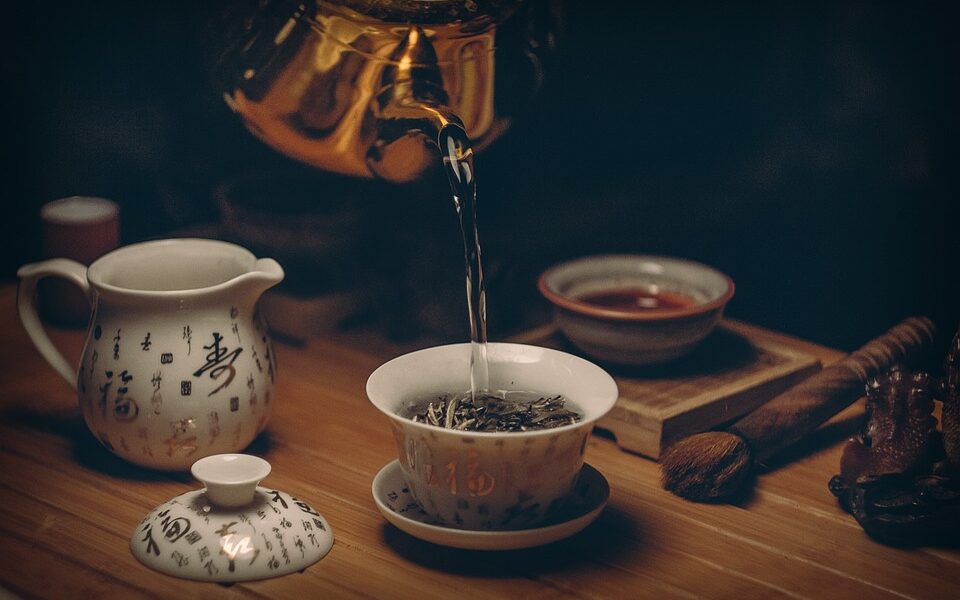
Stepping off the massage table often feels like hitting a physiological reset button. Your muscles are relaxed, your nervous system is calmed, and your circulation has been invigorated. However, the work doesn’t end when you leave the spa. A professional massage—especially deep tissue or lymphatic drainage—releases metabolic waste into your system, making post-treatment hydration a critical step in your recovery.
While plain water is the gold standard, specific herbal teas can significantly enhance the detoxification process, reduce muscle soreness, and prolong that elusive sense of “zen.” Here is a curated guide to the seven best teas to drink after a massage to maximize your results.


1. Green Tea: The Antioxidant Powerhouse
Green tea is perhaps the most well-known “superfood” in the tea world, and for good reason. It is packed with catechins, specifically EGCG (epigallocatechin gallate), which are potent antioxidants that help neutralize free radicals released during muscle manipulation.
Drinking green tea post-massage helps stimulate the metabolism and assists the kidneys in flushing out toxins. Because it contains a small amount of caffeine and the amino acid L-theanine, it provides a gentle energy lift without the jitters, keeping you in a state of “alert relaxation.”
2. Ginger Tea: The Anti-Inflammatory Specialist
If you have just undergone a deep tissue massage, your muscles may experience slight micro-inflammation. Ginger is a natural anti-inflammatory agent that works similarly to over-the-counter painkillers but without the chemical side effects.
Ginger tea promotes healthy blood flow and helps soothe the digestive system. Its warming properties can also help maintain the body heat generated during your session, ensuring that your muscles remain supple and relaxed for longer.
3. Dandelion Root Tea: The Liver Support
Often overlooked, dandelion root tea is one of the most effective herbal remedies for liver detoxification. During a massage, the lymphatic system is stimulated to move waste products toward the liver and kidneys for filtration.
Dandelion root acts as a mild diuretic and liver tonic, helping your body process and eliminate these waste products more efficiently. It has a rich, earthy flavor—similar to coffee—making it a great caffeine-free alternative for those who want a robust post-massage drink.
4. Peppermint Tea: The Muscle Relaxant
Peppermint tea is more than just a palate cleanser. The menthol in peppermint acts as a natural antispasmodic, which helps soothe lingering muscle spasms and tension. It is particularly effective if your massage focused on the abdomen or if you carry stress in your digestive tract.
The refreshing aroma of peppermint also provides a sensory “wake-up,” helping to clear any “massage brain” or grogginess you might feel after a long session.
5. Turmeric Tea: For Targeted Recovery
Turmeric contains curcumin, a bioactive compound renowned for its ability to reduce soreness and joint pain. If your massage was intended to treat chronic pain or sports injuries, turmeric tea is your best recovery partner.
For the best results, look for turmeric teas that include a hint of black pepper, which increases curcumin absorption by up to 2,000%. This tea is excellent for preventing Delayed Onset Muscle Soreness (DOMS) the day after a deep session.
6. Chamomile Tea: To Extend the Calm
If your goal for the massage was purely stress relief or to help with insomnia, chamomile is the ideal choice. It contains apigenin, an antioxidant that binds to certain receptors in your brain that may promote sleepiness and reduce anxiety.
Chamomile tea helps “lock in” the nervous system downregulation achieved during the massage, making it the perfect evening drink if you’ve had a late-afternoon appointment.
7. Rooibos Tea: The Mineral Replenisher
Rooibos (Red Bush) tea from South Africa is naturally caffeine-free and rich in essential minerals like magnesium, calcium, and zinc. Magnesium is vital for muscle relaxation and preventing cramps.
Unlike black or green teas, rooibos is low in tannins, meaning it won’t interfere with your body’s absorption of iron. It is a hydrating, electrolyte-rich infusion that helps restore the body’s balance after the physical “workout” of a massage.
Comparing Post-Massage Teas
To help you choose the right tea based on your specific massage type, refer to the table below:
| Tea Type | Primary Benefit | Best For… |
|---|---|---|
| Green Tea | Metabolic Detox | General Holistic Wellness & Lymphatic Drainage |
| Ginger Tea | Anti-inflammatory | Deep Tissue & Sports Massage |
| Dandelion Root | Liver/Kidney Support | Intense Detoxification |
| Peppermint | Muscle Spasm Relief | Abdominal Tension & Headaches |
| Turmeric | Pain Reduction | Chronic Pain & Injury Recovery |
| Chamomile | Nervous System Calm | Stress Relief & Relaxation |
| Rooibos | Mineral Replenishment | Hydration & Cramp Prevention |
Pros and Cons of Drinking Tea After a Massage
While tea is generally beneficial, it is important to understand the balance of adding herbal infusions to your recovery routine.
Pros
- Enhanced Detoxification: Helps the body process metabolic waste like lactic acid more quickly.
- Reduced Soreness: Anti-inflammatory properties can minimize the “bruised” feeling sometimes felt after deep work.
- Hydration with Benefits: Provides more targeted nutrients than plain water alone.
- Psychological Transition: The ritual of drinking tea helps you ease back into the world after a treatment.
Cons
- Caffeine Interference: Drinking caffeinated teas (like black or green) too close to bedtime can negate the relaxation benefits of the massage.
- Diuretic Effects: Some detox teas can lead to frequent urination, which requires you to drink even more water to stay hydrated.
- Herbal Sensitivities: Certain herbs may interact with medications or cause mild stomach upset in sensitive individuals.
Frequently Asked Questions
Should I drink tea hot or cold after a massage?
Warm or room-temperature tea is generally preferred. Warm liquids encourage circulation and are more soothing to the digestive system, which is often in a relaxed “rest and digest” state following a massage.
How soon after my massage should I drink tea?
Ideally, you should begin hydrating immediately. Most therapists recommend drinking a glass of water or a cup of herbal tea within 15 to 30 minutes of ending your session to jumpstart the flushing process.
Can I add honey or sugar to my post-massage tea?
A small amount of raw honey is fine and can even provide a slight glucose boost if you feel lightheaded. However, avoid heavy refined sugars, as they can cause inflammation, which is exactly what you are trying to reduce after a massage.
Is it okay to drink tea with caffeine?
While green tea is beneficial, try to avoid high-caffeine options like matcha or black tea if your goal is relaxation. Caffeine is a vasoconstrictor, which can cause muscles to tighten, potentially shortening the duration of your massage benefits.
What if I feel nauseous after my massage?
Nausea is a common side effect of toxins being released during a massage. In this case, ginger or peppermint tea are your best options, as they are naturally effective at settling the stomach and easing “massage flu” symptoms.
—
Topic: Best tea to drink after a massage
Tags: #Teas #Drink #Massage #Deep #Detox #Recovery