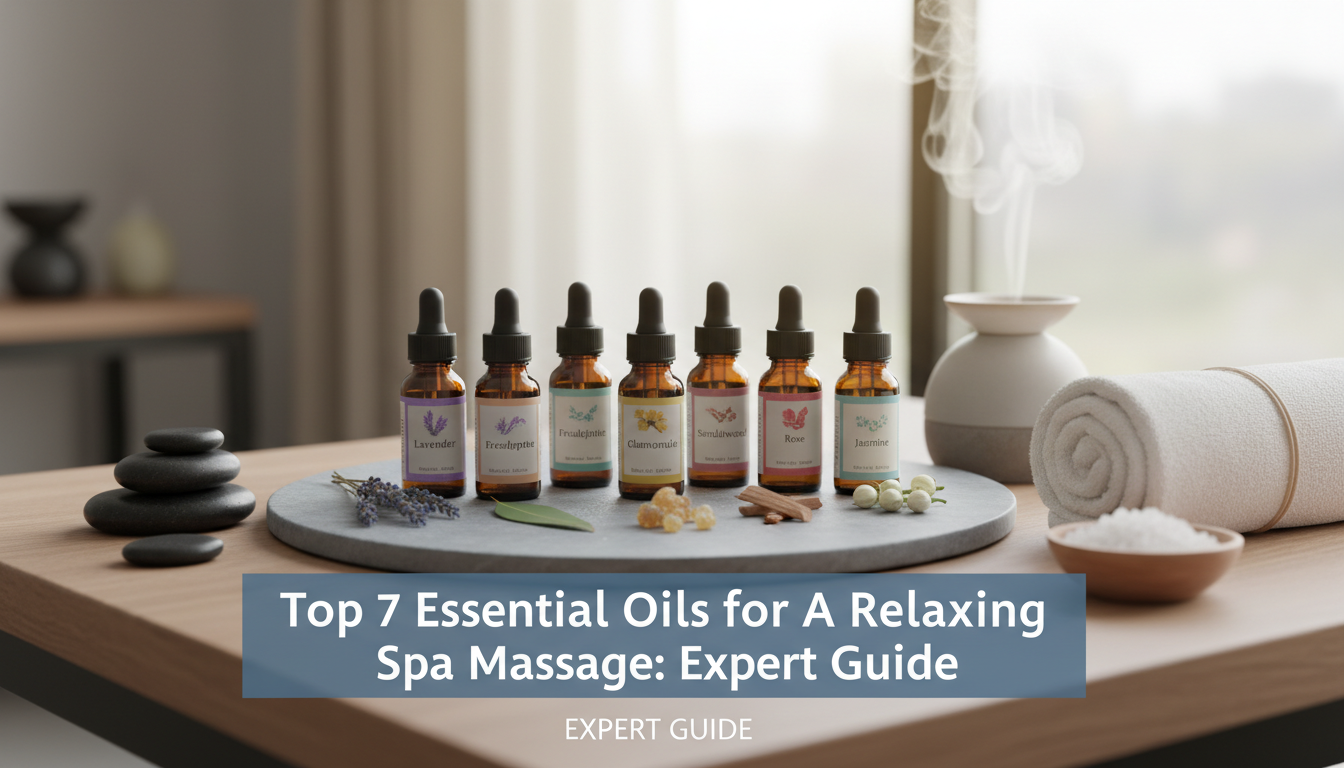
The scent of a high-end spa is unmistakable—a delicate balance of earthy, floral, and herbaceous notes that signals the brain to immediately downshift. While the physical technique of a massage works on the muscles, the essential oils used during the treatment work on the nervous system. This synergy between touch and scent is what elevates a standard massage into a therapeutic spa experience.
Choosing the right essential oil is about more than just personal preference; it is about matching the botanical properties of the oil to your physical and emotional needs. Whether you are looking to quiet a racing mind, soothe sore muscles, or simply drift into a deep state of relaxation, the following seven essential oils are the industry standards for a reason.


1. Lavender (Lavandula angustifolia)
Lavender is arguably the most famous essential oil in the world, and for good reason. It contains high levels of linalool and linalyl acetate, compounds known for their ability to inhibit the central nervous system’s excitability. In a spa setting, lavender acts as a powerful sedative, making it the primary choice for those suffering from insomnia or high-stress levels.
- Best For: Deep sleep, anxiety reduction, and skin soothing.
- Experience: A soft, floral aroma that feels instantly familiar and safe.
2. Bergamot (Citrus bergamia)
Unlike many other citrus oils that are purely energizing, Bergamot has the unique ability to be both uplifting and calming. It is excellent for “stress-relief” massages where the goal is to improve mood without causing drowsiness. Research suggests that Bergamot can help reduce cortisol levels, the body’s primary stress hormone.
- Best For: Emotional balance and relieving mild depression.
- Expert Tip: Always ensure your therapist uses “Bergapten-free” oil if you plan to go into the sun after your massage, as standard Bergamot can be photosensitive.
3. Ylang-Ylang (Cananga odorata)
Extracted from the star-shaped flowers of the tropical Cananga tree, Ylang-Ylang is a heavy, sweet floral oil. In traditional aromatherapy, it is used to lower blood pressure and slow down a rapid heart rate. It is particularly effective for people who carry stress in their chest and shoulders.
- Best For: Reducing hypertension and promoting a sense of sensuality and comfort.
- Experience: Rich, exotic, and intensely floral.
4. Roman Chamomile (Anthemis nobilis)
Often referred to as the “herbal aspirin,” Roman Chamomile is incredibly gentle. While many associate chamomile with tea, its essential oil form is a potent anti-inflammatory. It is ideal for a spa massage focused on soothing irritated skin or calming a “fidgety” mind that cannot seem to settle on the table.
- Best For: Sensitive skin, irritability, and muscle spasms.
- Experience: A sweet, apple-like herbaceous scent.
5. Sandalwood (Santalum album)
For those who find floral scents overwhelming, Sandalwood offers an earthy, grounded alternative. It has been used for centuries in meditation practices because of its ability to promote mental clarity and stillness. During a massage, it helps “ground” the recipient, making it perfect for people who feel scattered or overwhelmed by modern life.
- Best For: Mindfulness, meditation-focused massage, and dry skin.
- Experience: Deep, woody, and lingering.
6. Frankincense (Boswellia carterii)
Often called the “King of Oils,” Frankincense has a resinous, spicy aroma that encourages deep, diaphragmatic breathing. In a spa environment, this oil is used to help the client “let go” of deep-seated tension. It is also highly prized for its skin-rejuvenating properties, making it a common addition to anti-aging body treatments.
- Best For: Deep relaxation, respiratory health, and skin repair.
- Experience: Warm, balsamic, and slightly citrusy.
7. Clary Sage (Salvia sclarea)
Clary Sage is often recommended for women due to its affinity for hormonal balance, but its benefits are universal. It contains an ester called linalyl acetate (similar to Lavender), which reduces muscle tension and promotes a sense of euphoria. It is one of the most effective oils for inducing a state of “dreamy” relaxation.
- Best For: Hormonal stress, PMS symptoms, and intense muscle tightness.
- Experience: Earthy and nutty with a hint of sweetness.
The Importance of Carrier Oils
Essential oils are highly concentrated and should never be applied directly to the skin during a massage. They must be diluted in a carrier oil. The carrier oil not only protects the skin but also determines how the oil absorbs and how the massage therapist’s hands glide over your body.
| Carrier Oil | Skin Type | Benefit |
|---|---|---|
| Sweet Almond Oil | All Skin Types | Rich in Vitamin E; provides a medium glide perfect for Swedish massage. |
| Jojoba Oil | Oily/Acne-Prone | Closely mimics the skin’s natural sebum; absorbs quickly without clogging pores. |
| Fractionated Coconut Oil | Dry/Dehydrated | Lightweight, odorless, and has a long shelf life. |
| Grapeseed Oil | Sensitive | Very light and non-greasy; ideal for those who don’t want to feel “oily” after a spa visit. |
Pros and Cons of Using Essential Oils in Massage
While aromatherapy can significantly enhance a massage, it is important to weigh the therapeutic benefits against potential sensitivities.
Pros
- Enhanced Nervous System Regulation: Oils like lavender and frankincense help move the body from “fight or flight” into “rest and digest.”
- Targeted Relief: You can customize your massage (e.g., using Chamomile for inflammation or Bergamot for mood).
- Lasting Effects: The scent molecules remain in the system for several hours, extending the “spa glow” long after the treatment ends.
Cons
- Allergic Reactions: Some individuals may experience skin irritation or respiratory sensitivity to specific plant extracts.
- Photosensitivity: Certain oils (mostly citrus) can cause the skin to burn more easily in the sun.
- Pregnancy Concerns: Not all essential oils are safe for expectant mothers; professional guidance is required.
Safety and Best Practices
To ensure your relaxing spa massage is safe as well as effective, keep these expert tips in mind:
- Perform a Patch Test: If you have sensitive skin, ask your therapist to test a small amount of the diluted oil on your inner forearm before the full-body application.
- Purity Matters: Ensure the spa uses 100% pure, therapeutic-grade essential oils. Synthetic fragrances do not offer the same biological benefits and can often cause headaches.
- Hydration is Key: Massage releases metabolic waste from the muscles, and essential oils can stimulate the lymphatic system. Drink plenty of water afterward to help your body flush these out.
Frequently Asked Questions
Which essential oil is best for a deep tissue massage?
While lavender is great for relaxation, many experts prefer Frankincense or Clary Sage for deep tissue work. These oils help the muscles relax more deeply, allowing the therapist to work on the fascia without causing as much discomfort to the client.
Can I mix different essential oils together?
Yes, “blending” is a common spa practice. A popular relaxing blend is Lavender and Sandalwood, which provides both a floral top note and an earthy base note for a well-rounded sensory experience.
Are there any essential oils I should avoid?
This depends on your health profile. For example, people with epilepsy should avoid Rosemary or Sage, and those on blood thinners should be cautious with Wintergreen. Always disclose your medical history to your massage therapist before the session begins.
How long do the effects of aromatherapy massage last?
While the immediate feeling of relaxation is felt during the massage, the essential oil molecules can stay in your bloodstream for up to 24 hours. Most people report feeling the “calming tail” of the massage for a full day afterward.
—
Topic: Best essential oils for relaxing spa massage
Tags: #Top #Essential #Oils #Relaxing #Spa #Massage #Expert #Guide