Benefits of a pedicure can transform not only your feet but your overall well‑being. When you treat your toes and soles with a professional or home routine, you open the door to a host of physical and emotional advantages that often go unnoticed.
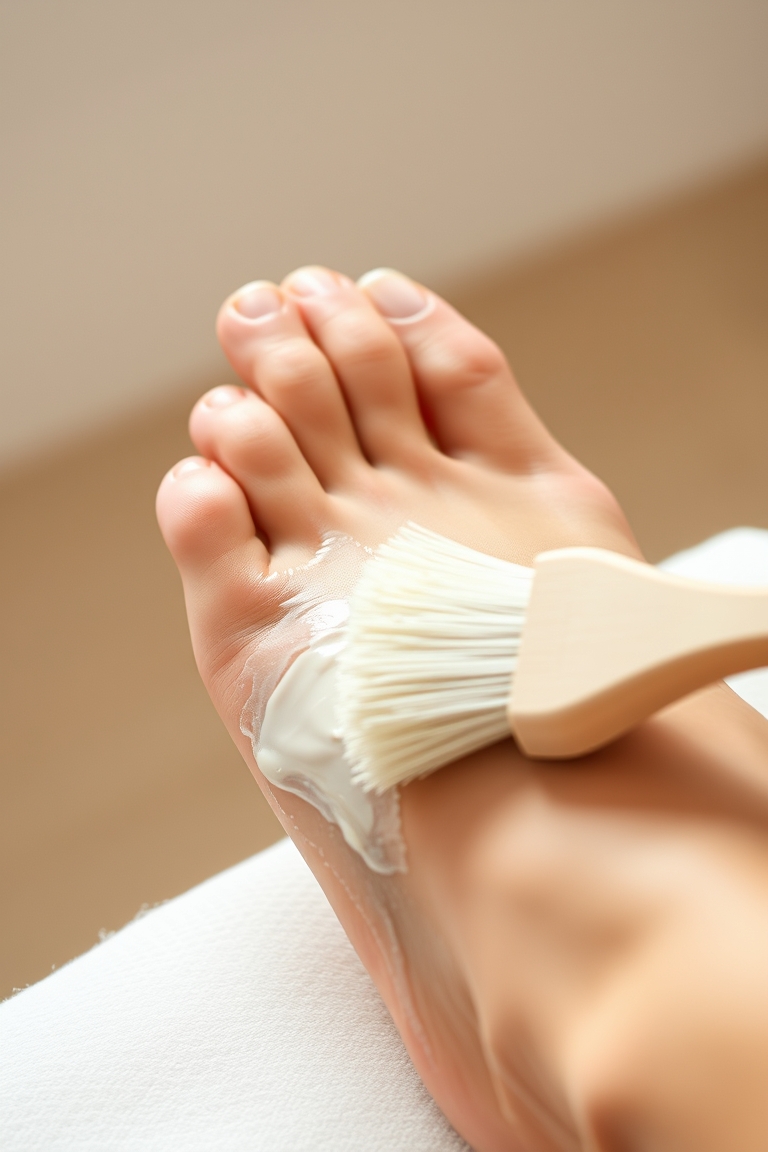
Benefits of a Pedicure for Healthy, Happy Feet
At its core, a pedicure is more than a cosmetic ritual. It is a holistic foot care spa experience that nurtures skin, improves circulation, and creates a moment of mindful relaxation. By integrating a pedicure into your wellness plan, you give your feet the attention they deserve and, in turn, support your entire body.
Why Get a Pedicure?
Many people wonder why they should invest time in a pedicure. The answer lies in the multi‑layered benefits: softened calluses, reduced fungal risk, and a healthier nail environment. A well‑executed pedicure also clears away dead skin, which can prevent ingrown nails and other foot discomforts. Moreover, the gentle massage of the feet stimulates nerve endings, contributing to a calming effect that can ease daily stress.


Pedicure Benefits Feet: Circulation and Skin Care
- Enhanced blood flow: Massaging the feet encourages oxygenated blood to reach the toes, supporting tissue repair and nutrient delivery.
- Moisture retention: The use of emollients locks in hydration, preventing dryness that can lead to cracks or fissures.
- Exfoliation: Removing dead skin cells keeps the foot surface smooth and less prone to infections.
These elements combine to make pedicure benefits feet not only feel lighter but also look more vibrant. When the skin is supple, the likelihood of developing calluses or corns decreases, and you can enjoy walking without discomfort.
Regular Pedicure: Consistency is Key
Just as a regular shower cleanses your body, a regular pedicure keeps your feet in peak condition. The American Academy of Dermatology suggests a foot care routine every two to four weeks for most adults. A consistent schedule helps maintain healthy nail growth, prevents buildup, and keeps the foot’s natural structure intact.
Foot Care Spa: A Sanctuary for Your Soles
When you choose a foot care spa, you step into a sanctuary that offers more than a quick trim. Professional spas provide specialized treatments such as paraffin wax baths, laser nail therapy, and reflexology. These services target deeper layers of the skin and connective tissue, offering benefits that a simple home routine might miss.
Stress Relief Through Foot Massage
Feet are rich in nerve endings, and gentle pressure can release endorphins. A pedicure’s foot massage component has the potential to lower cortisol levels, leaving you feeling refreshed. The rhythmic strokes also help align your body’s energy, promoting better sleep and overall calmness.
Boosting Confidence with Beautiful Nails
While the health aspects are paramount, the aesthetic appeal of a pedicure cannot be overlooked. Well‑maintained nails and polished skin convey self‑care and confidence. Whether you’re stepping into a meeting or a casual outing, polished feet can subtly enhance your presence.
Social and Lifestyle Considerations
In many cultures, foot care is a communal activity. Joining a pedicure class or a spa day with friends can strengthen bonds and create shared memories. Additionally, certain professions—such as healthcare workers or athletes—require foot health to maintain performance and reduce injury risk.
Home Pedicure: DIY Tips and Safety
For those who prefer privacy, a home pedicure can be both effective and economical. Start with soaking your feet in warm water mixed with Epsom salts for 10–15 minutes. Use a gentle pumice stone to remove calluses, then apply a nourishing foot cream. Finish with a nail polish of your choice, ensuring you allow adequate drying time between coats.
Choosing the Right Tools
Investing in quality tools can elevate your home pedicure experience. Look for a pair of stainless steel nail clippers, a soft nail file, and a foot scrub brush. Cleanliness is crucial—sterilize tools between uses to prevent bacterial or fungal spread.
Aftercare: Protecting Your Feet Post‑Pedicure
After a pedicure, wear breathable footwear to allow your skin to breathe. Avoid tight shoes for at least 24 hours. Apply a thick layer of foot cream before bed to lock in moisture. If you plan to wear sandals, consider a quick foot dip in salt water to soothe any residual soreness.
Common Foot Issues and How Pedicures Help
- Fungal infections: Regular removal of dead skin reduces the environment where fungi thrive.
- Calluses and corns: Exfoliation and moisturization prevent hard buildup.
- Ingrown toenails: Proper trimming and nail care maintain correct nail curvature.
While a pedicure cannot replace medical treatment, it can be an essential preventive measure for many foot conditions.
Myths About Pedicures Debunked
Some people think pedicures are only for the wealthy or that they’re a waste of time. In reality, a proper pedicure is an affordable investment in foot health. Others worry that nail polish might damage nails—yet a well‑applied polish can protect nails from environmental stressors when removed correctly.
How Often Should You Get a Pedicure?
Frequency depends on lifestyle and foot health. For most adults, a pedicure every 4–6 weeks suffices. Athletes or individuals with foot conditions may benefit from more frequent sessions. Always listen to your feet—if they feel stiff or sore, a quick spa visit can relieve tension.
Cost vs. Value
While a spa pedicure can range from $30 to $80, the long‑term savings in foot care and potential medical visits can outweigh the upfront cost. If you opt for a home routine, the only recurring expense is the foot cream or polish, making it highly cost‑effective.
Environmentally Friendly Foot Care
Choosing eco‑friendly products—cruelty‑free, biodegradable, and free of harsh chemicals—supports both your skin and the planet. Many spas now offer organic foot scrubs and natural nail polishes, ensuring a sustainable pedicure experience.
Step‑by‑Step Home Pedicure Guide
- Prepare a soothing soak: Fill a basin with warm water, add 1/4 cup Epsom salts and a few drops of essential oil (lavender or tea tree for antimicrobial benefits). Soak for 15 minutes.
- Trim and file: Use clean nail clippers to cut straight across. File gently in one direction to avoid splitting.
- Exfoliate: Rub a foot scrub or a mixture of sugar and olive oil over the soles. Focus on callused areas.
- Moisturize: Pat dry, then apply a thick foot cream. Massage upward to stimulate circulation.
- Optional polish: Apply a primer, two coats of color, and a topcoat. Let each layer dry for 5–10 minutes.
- Final touch: Finish with a foot mask or paraffin wax if desired.
Follow this routine every 4–6 weeks for optimal results.
Professional Pedicure vs. DIY: What to Expect
Professional pedicures offer:
- Deep paraffin wax baths that lock in moisture.
- Laser or micro‑dermabrasion for stubborn calluses.
- Reflexology points targeted for systemic benefits.
- High‑grade products and sterile tools.
DIY sessions save money but require meticulous hygiene and may lack the therapeutic depth of a spa treatment.
Choosing the Right Foot Care Products
When selecting products, look for:
- Non‑paraben, fragrance‑free formulas for sensitive skin.
- Ingredients like shea butter, urea, and hyaluronic acid for deep hydration.
- Natural nail polishes with low VOCs.
- Eco‑certified packaging to reduce waste.
Integrating Pedicures into a Wellness Routine
Combine pedicures with:
- Regular stretching or yoga to maintain joint flexibility.
- Proper footwear choices—orthotic insoles for arch support.
- Hydration and balanced diet for healthy skin and nails.
- Weekly mindfulness practices to enhance the relaxation effect.
Frequently Asked Questions
What are the main health advantages of a pedicure? A pedicure boosts circulation, hydrates skin, removes calluses, reduces fungal risk, and offers a calming massage that lowers stress hormones.
How can I prevent fungal infections at home? Keep feet dry, use antifungal powders, trim nails straight, and replace damp socks daily. A regular soak with tea tree oil can also inhibit fungal growth.
Is it safe to use nail polish after a pedicure? Yes, but choose a nail polish that is free of formaldehyde, toluene, and DBP. Apply a base coat to protect nails and remove polish with acetone-free remover to avoid dryness.
When should I seek professional help for foot problems? If you notice persistent pain, swelling, redness, or signs of infection, consult a podiatrist before continuing with DIY pedicures.
How can I make my home pedicure more eco‑friendly? Use biodegradable cotton pads, refillable nail polish containers, and natural foot scrubs. Recycle packaging and opt for refill stations whenever possible.
For more detailed guidance on foot care and pedicure techniques, you may explore resources such as the pedicure on Wikipedia. Also, consider visiting our spa services for a professional experience that elevates your foot health.
Conclusion: A Pedicure as a Cornerstone of Wellness
A pedicure is more than a vanity act; it’s a cornerstone of holistic foot care. By incorporating regular pedicures—whether at a professional spa or at home—you nurture circulation, reduce the risk of common foot ailments, and enjoy a moment of self‑care that reverberates throughout your body. Prioritize your feet, and they will reward you with comfort, confidence, and a healthier stride.
Leave a Reply