What to expect at a nail spa can feel like a mystery to many who have never stepped into a dedicated nail salon before. This guide will walk you through the entire experience, from the moment you arrive to the final polish that leaves you with healthy, beautiful nails.
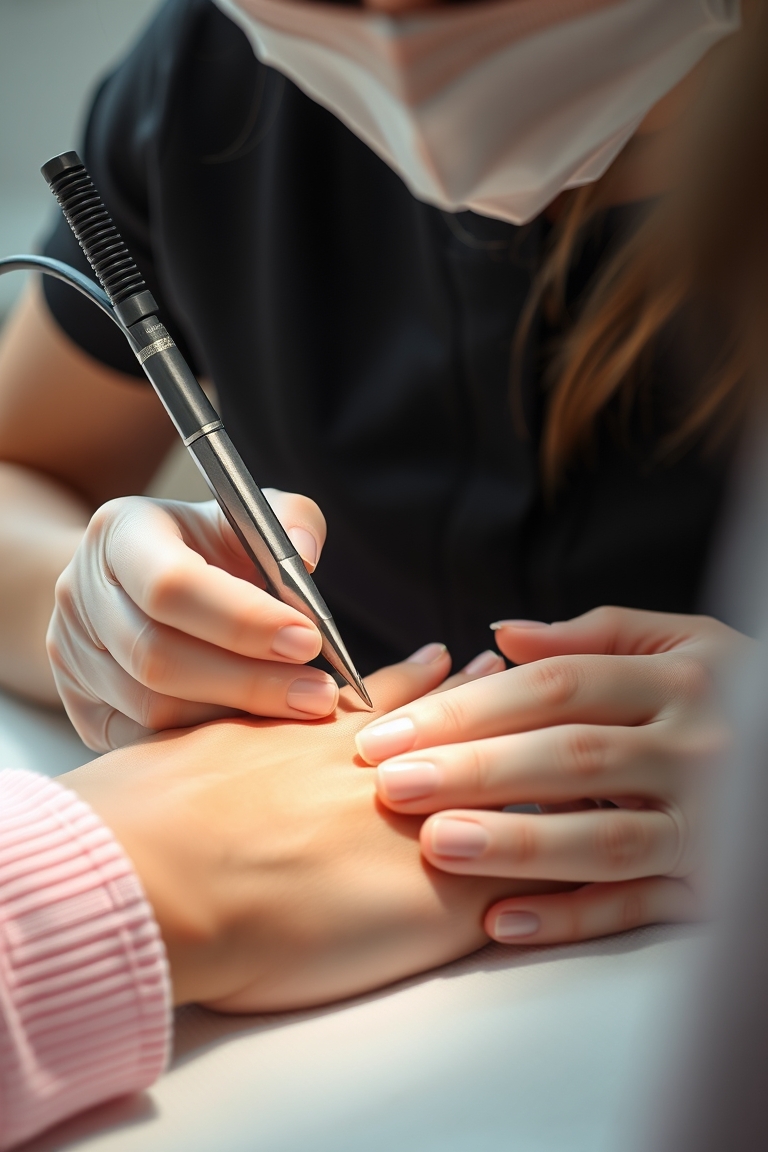
Choosing the Right Nail Spa: What to Look For
Before you book, research the spa’s reputation. Look for online reviews that mention hygiene, staff skill, and customer service. A reputable spa will display its sterilization certificates, use disposable items for clients with allergies, and keep tools sanitized between sessions. Check if the spa offers a membership program or package deals—these can save money if you plan to visit regularly.
What to Expect at a Nail Spa
When you walk into a nail spa, you enter a space designed for comfort and precision. The first thing you’ll notice is the calming atmosphere: soft lighting, soothing music, and a clean, organized layout. The reception area often offers refreshments, and staff greet you with a friendly smile, ready to escort you to your treatment room.


The Arrival: Checking In, Atmosphere, and First Impressions
- Check‑in Process: Most nail spas use a digital or paper log to record client details, allergies, and preferred services. This helps the technician personalize your experience.
- Comfort Space: You’ll be offered a comfortable chair, a small table, and a glass of water or tea. Some spas also provide a small magazine or a tablet for light reading.
- Environmental Cleanliness: Notice the sparkling floors, sanitized tools, and the scent of mild, non‑aggressive fragrances. These details signal a high standard of hygiene.
The Consultation: Choosing Your Service
Before the actual nail work begins, the technician will discuss your preferences. This conversation covers:
- Preferred nail shape (e.g., square, oval, almond).
- Polish color, patterns, or nail art you’d like.
- Any concerns about nail health or allergies.
- Time frame and budget.
By clarifying these points, the technician tailors the manicure appointment to match your style and needs.
The Nail Care Process
Once the plan is in place, the technician moves through a series of steps that are standard in any spa nail treatment:
- Nail Trimming and Shaping: The nails are trimmed to the chosen shape and gently filed to smooth edges.
- Cuticle Care: Cuticles are softened with a warm soak and then carefully pushed back or trimmed to avoid damage.
- Exfoliation: A mild exfoliant removes dead skin cells from the hands and feet, leaving skin refreshed.
- Massage: A gentle hand or foot massage uses oils or creams, promoting circulation and relaxation.
- Polish Application: The technician applies a base coat, two layers of color, and a top coat for durability.
- Optional Nail Art: If requested, intricate designs or simple accents are added.
Throughout the process, the technician maintains a steady pace and communicates any adjustments or concerns. The goal is to make the experience feel like a mini‑spa visit rather than a routine manicure.
The Spa Touch: Relaxation and Extra Services
Many nail spas blend traditional nail care with spa elements. These extras can include:
- Foot soaks with essential oils.
- Hand masks that hydrate and brighten skin.
- Mini‑facial treatments for the face.
- Light aromatherapy to enhance mood.
While these services are optional, they often come as part of a deluxe package, giving you a full wellness experience.
Aftercare: Maintaining Your Nails at Home
After you leave, the technician will provide simple aftercare instructions:
- Keep nails dry for the first 24 hours to let the top coat seal.
- Use a moisturizer on hands and cuticles daily.
- Avoid harsh chemicals or excessive water exposure.
- Schedule a follow‑up appointment every 3–4 weeks to maintain shape and polish.
Following these steps ensures your nails stay healthy and your manicure lasts longer.
First Nail Spa Visit Checklist
Appointment Scheduling
Call or book online at least 48 hours in advance. Confirm the services you want, your preferred nail shape, and any special requests. This helps the spa prepare tools and products in advance.
Personal Grooming Prep
- Wash hands thoroughly before arrival.
- Avoid wearing nail polish on the day of the appointment; it can interfere with the manicure process.
- Bring a small bag with toiletries for a quick freshen‑up after the treatment.
Questions to Ask Your Nail Technician
- What type of polish do you recommend for my nail health?
- How long will the manicure last under normal daily activities?
- Do you use disposable tools, or are they sterilized between clients?
- Can you show me a sample of the nail shape you plan to use?
Personalizing Your Experience: Customization Options
Modern nail spas allow you to tailor every detail:
- Color Palette: Many salons stock a curated selection of high‑impact shades, from classic reds to pastel neons, and even seasonal limited editions.
- Texture and Finish: Matte, satin, or glitter finishes can be mixed to create a layered look.
- Design Themes: From minimalist line art to elaborate 3‑D floral motifs, you can choose a style that reflects your personality.
- Allergy‑Friendly Products: If you have sensitivities, ask for fragrance‑free, hypoallergenic bases and top coats.
Advanced Treatments: Gel, Acrylic, and Shellac
For clients seeking longer wear or more dramatic shapes, spas often offer:
- Gel Manicures: A UV or LED‑cured polish that hardens into a durable layer, lasting up to 3 weeks.
- Acrylic Nails: A polymer mix that hardens into a protective shell, ideal for nail extensions.
- Shellac: A hybrid that combines gel and acrylic benefits, with a shiny finish and 2‑week longevity.
These treatments require a different application protocol, often involving a curing lamp and a longer prep time. Discuss the pros and cons with your technician to decide which suits your lifestyle.
Safety and Hygiene: What to Watch For
Even the best spas can vary in standards. Look for:
- Tool Sterilization: Autoclave or high‑temperature sterilizers are standard for reusable tools.
- Disposable Items: Single‑use nail files, buffers, and cuticle pushers reduce cross‑contamination.
- Clean Environment: A well‑ventilated room with frequent cleaning schedules.
- Staff Credentials: Certified nail technicians (CNC, NCT) demonstrate formal training.
If any of these are missing, consider choosing another spa to protect your health.
Post‑Appointment Care: Extending Longevity
Beyond the technician’s advice, you can adopt daily habits that protect your manicure:
- Use a hand cream with vitamin E or jojoba oil to keep cuticles supple.
- Wear gloves when doing dishes or cleaning to avoid harsh detergents.
- Apply a clear top coat every 5–7 days to refresh the shine.
- Schedule a quick touch‑up every 2 weeks if you notice chips.
These small steps can double the life of your polish and keep your nails looking salon‑fresh.
Common Misconceptions About Nail Spas
Cost vs Quality
Many people assume a higher price guarantees a better experience, but quality is measured by hygiene, skill, and customer service. A moderate price can still offer a top‑tier service if the spa prioritizes these aspects.
Hygiene Standards
Proper sterilization is non‑negotiable. Look for spas that display their sterilization certificates or use single‑use tools for clients who prefer extra safety.
Time Commitment
While a basic manicure can take 30 minutes, spa nail treatments often extend to 60–90 minutes to include massage and relaxation. Plan accordingly so you can fully enjoy the experience.
FAQ
What to expect at a nail spa?
The experience typically includes a consultation, nail trimming and shaping, cuticle care, exfoliation, a relaxing massage, polish application, optional nail art, and aftercare instructions.
Is a first nail spa visit different from a regular manicure?
Yes, a spa nail treatment often incorporates additional relaxation elements and may use higher quality products and more detailed nail art.
How long does a spa nail treatment last?
With proper aftercare, a manicure can last 2–3 weeks. The exact duration depends on the polish type, application technique, and daily hand usage.
Do nail spas use disposable tools?
Many reputable nail spas sterilize tools between clients, while some offer disposable options for clients who prefer them.
What should I bring to my first nail spa visit?
Bring a water bottle, a small bag with a hand lotion, and any personal items you might need after the treatment. Avoid wearing nail polish on the day of your appointment.
Can I bring my own nail polish?
Most spas have exclusive product lines, but some allow clients to bring their own polish. Verify with the technician beforehand, as it may affect the overall look and durability.
What if I have sensitive skin or allergies?
Inform the technician during check‑in. They can use fragrance‑free, hypoallergenic polishes and avoid harsh chemicals. A patch test can also help prevent reactions.
How do I know if a nail spa is reputable?
Check online reviews, ask for certification badges, and observe the cleanliness of the workspace. Reputable spas often display their licensing documents and sterilization certificates.
Do nail spas offer same‑day appointments?
Many spas accept walk‑ins, but it’s best to book ahead for premium services or during peak times. Same‑day appointments may be limited to basic manicures.
What are the most common nail health issues addressed in spa treatments?
Spas often treat brittle nails, fungal infections, and cuticle irritation. They use strengthening formulas, antifungal treatments, and gentle cuticle care to promote healthy nails.
For a deeper dive into manicure techniques and nail care, you can read the detailed Manicure article on Wikipedia.
If you’re looking for a local nail spa experience, you can visit Parisian Nail and Massage Spa for more details and to book your first appointment.
Leave a Reply