Benefits of a foot massage can transform your daily routine by offering a blend of physical comfort and mental calm. Imagine starting your morning with a gentle knead that sends a wave of warmth through your toes, or ending the day with a soothing glide that melts the tension of a long commute. The practice of massaging the feet is more than a luxury; it’s a holistic tool that taps into a network of nerves, blood vessels, and muscle fibers that influence the body’s overall health.
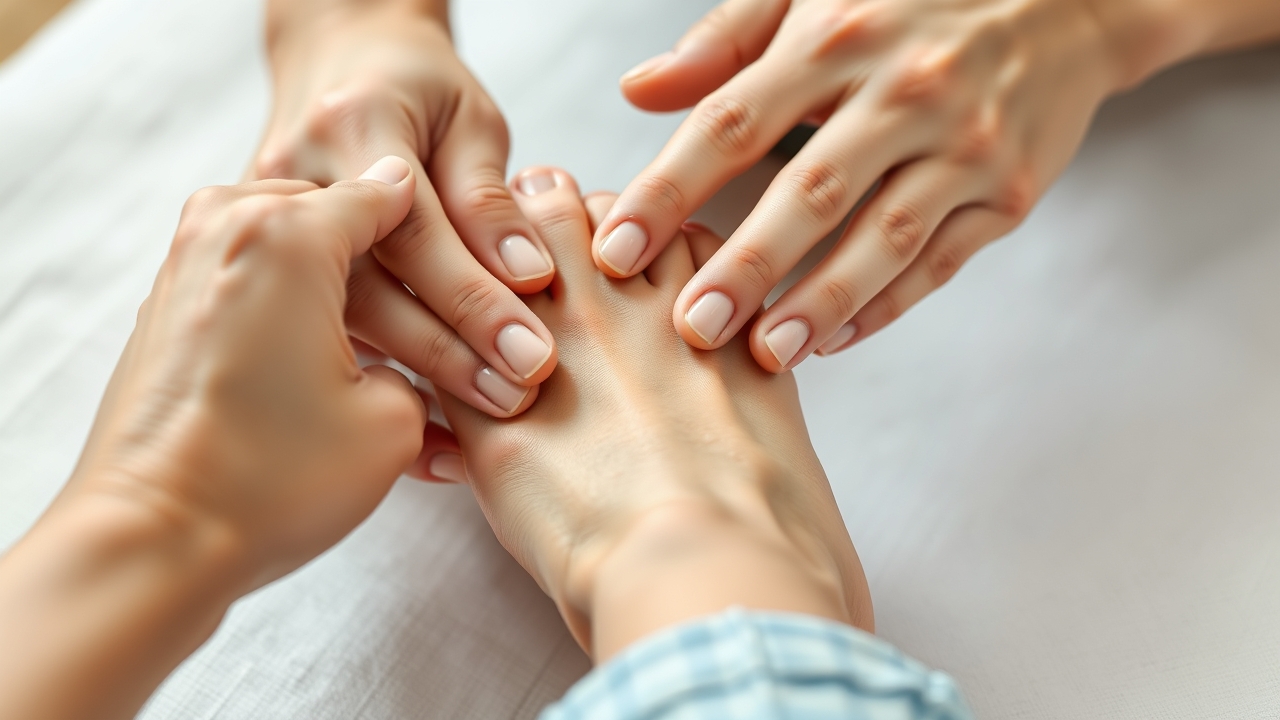
Benefits of a Foot Massage: The Science Behind the Soothe
When you press along the arches, heels, and toes, you stimulate pressure points that correspond to other parts of the body. This is the core principle behind reflexology, a discipline rooted in ancient traditions yet supported by modern research. While no single study can claim definitive medical proof, many practitioners and patients report improvements in circulation, reduced muscle soreness, and a noticeable lift in mood.
1. Circulation Boost
Gentle pressure on the foot’s surface encourages blood flow to the lower limbs. This can be especially beneficial for people who spend hours at a desk or on their feet, helping to alleviate swelling and fatigue.


2. Stress and Anxiety Relief
Foot massage activates the parasympathetic nervous system, the part of your body that calms you after a stressful day. A few minutes of rhythmic strokes can lower heart rate and reduce cortisol levels, creating a sense of relaxation that carries into the rest of your day.
3. Pain Management
Many athletes, hikers, and commuters find that regular foot massage helps ease plantar fasciitis, Achilles tendon pain, and general foot discomfort. The massage helps loosen tight muscles and can reduce the pressure on inflamed tissues.
4. Improved Sleep Quality
Ending the day with a gentle foot rub can signal your body that it’s time to wind down. The feeling of warmth and relaxation can help you fall asleep faster and enjoy deeper sleep cycles.
5. Skin Health and Hygiene
Massaging the feet encourages lymphatic drainage, which can improve the appearance of skin by reducing puffiness and promoting a healthy glow. It also encourages better circulation, which supports the delivery of oxygen and nutrients to skin cells.
Foot Massage Techniques for Home Use
If you’re new to foot massage, start with simple, reproducible steps that you can incorporate into your routine. Here’s a practical guide to get you going:
- Prepare a soothing environment: Dim the lights, play soft music, and have a towel or small cushion ready.
- Warm your hands: Rub your palms together or use a warm compress to bring comfort to the skin.
- Start at the heel: Apply gentle pressure with your thumbs, moving slowly upwards toward the ankle.
- Focus on the arch: Use your fingertips to knead the arch, applying a firm but comfortable pressure.
- Stoke the toes: Gently pull each toe, rotating them lightly to release tension.
- Finish with the ball of the foot: Use a circular motion with your thumb to massage the ball of the foot, which often holds a lot of tension.
Repeat on the other foot, and if you feel like it, add a few minutes of gentle foot rub before bed to promote relaxation.
Using Reflexology Points
Reflexology points on the feet correspond to organs and systems throughout the body. While the exact mapping varies between traditions, many practitioners follow a standard chart that includes points for the heart, lungs, stomach, and brain. By applying moderate pressure to these points, you can stimulate the associated systems. For more detailed information, you can read about reflexology on Wikipedia’s comprehensive page: Reflexology.
Integrating Foot Massage into a Wellness Routine
Incorporating a foot massage into your self‑care regimen can elevate your overall wellness. Here are a few ideas on how to weave it into your daily life:
- Morning Energizer: A quick 5‑minute foot massage can wake up your circulation and help you feel more alert.
- Mid‑Day Reset: When you notice tension building, pause for a 10‑minute foot rub to reset your body’s balance.
- Evening Wind‑Down: A longer, more indulgent massage before bed can ease you into restful sleep.
- Post‑Workout Recovery: After a workout, use a foot massage to soothe sore muscles and promote faster recovery.
Those who take the time to listen to their feet often notice a ripple effect—improved mood, better sleep, and a heightened sense of groundedness. It’s a simple yet powerful reminder that self‑care starts at the very bottom of your body.
Foot Massage at Home vs. Professional Spa Treatments
While a home foot massage is convenient and cost‑effective, there are benefits to visiting a professional spa or massage therapist. A trained practitioner can:
- Identify specific tension points that you might miss.
- Use specialized tools or oils to enhance the experience.
- Offer a holistic approach that integrates with other bodywork modalities.
For those who love a spa experience, consider booking a session at a reputable spa center. A visit can be both a therapeutic and a luxurious escape. If you’re looking for a deeper dive into foot care, you might explore options at Parisiannailand Massage Spa, where experienced therapists tailor treatments to your personal needs.
Practical Tips for a Safe and Effective Foot Massage
Below are Mandel’s simple guidelines to ensure you get the most out of your foot massage without risking injury:
- Check for injuries: If you have foot or ankle injuries, consult with a healthcare professional before starting.
- Use gentle pressure: Excessive force can cause bruising. Adjust pressure based on comfort.
- Keep it clean: Wash your hands thoroughly before and after the massage.
- Hydrate: Drink water after the session to help flush out any toxins released.
- Follow up: If you notice persistent pain or swelling, seek professional evaluation.
Foot Massage for Specific Conditions
- Athletes and Sports Recovery: A targeted foot massage can reduce delayed onset muscle soreness (DOMS) and improve flexibility in the calves and ankles.
- Pregnancy: Gentle foot work can alleviate swelling and improve circulation, providing relief for expectant mothers.
- Seniors: Regular foot massage can help maintain balance, reduce foot pain, and encourage better circulation in the lower limbs.
- Diabetes and Circulation: People with diabetes should perform light massage only after consulting a podiatrist, as improper pressure can damage nerves.
- Arthritis: Soft kneading of the foot can ease stiffness and reduce inflammation in arthritic joints.
Choosing the Right Tools and Products
- Essential Oils and Massage Creams: Lavender, peppermint, and eucalyptus oils can enhance relaxation and reduce inflammation. Use a light, hypoallergenic cream if you have sensitive skin.
- Foot Rollers and Massage Balls: A tennis ball or specialized foot roller can target deep tissue knots along the arch and heel.
- Heat Pads and Warm Towels: Warmth increases blood flow and makes the muscles more pliable; a warm towel can be wrapped around the foot before massaging.
Common Mistakes to Avoid
- Applying Too Much Pressure: Over‑tightening can cause bruising or nerve irritation. Start light and gradually increase pressure.
- Neglecting Hygiene: Dirty hands or unclean tools can spread bacteria. Clean everything before starting.
- Ignoring Pain Signals: Sharp or persistent pain indicates a problem—stop immediately and seek professional advice.
Integrating Foot Massage with Other Self‑Care Practices
- Stretching and Flexibility: Combine foot massage with calf and ankle stretches to maintain joint mobility.
- Hydrotherapy: A warm foot bath before or after massage can enhance lymphatic drainage.
- Mindfulness and Breathing: Focus on slow, deep breaths during the massage to amplify relaxation.
When to Seek Professional Help
- Persistent Pain or Injury: If foot pain lasts more than a few days, consult a podiatrist or physiotherapist.
- Medical Conditions: Conditions like diabetes, severe arthritis, or circulatory disorders require professional guidance before performing self‑massage.
- Complex Reflexology Needs: For those seeking targeted relief for specific organs or chronic conditions, a licensed reflexologist can provide a personalized treatment plan.
Frequently Asked Questions
- Benefits of a foot massage: What are the most noticeable changes? Many people report improved circulation, reduced foot fatigue, and a calmer mind after regular foot massages.
- Can foot massage help with back pain? While not a direct cure, stimulating foot reflex points can indirectly support spinal health and reduce tension that may contribute to back discomfort.
- How often should I do a foot massage? A good rule of thumb is to incorporate a short massage into your routine 2‑3 times a week, or more often if you have high foot stress.
- What if I have diabetes or circulation problems? Consult a healthcare professional before starting foot massage routines, as certain conditions may require special care.
- Do I need special tools? No, you can use your hands, a tennis ball for rolling, or a small massage stick. The key is consistent, gentle pressure.
- Can I use essential oils during a foot massage? Yes—lavender, peppermint, and eucalyptus oils are popular choices, but always dilute them with a carrier oil and test for skin sensitivity first.
- What should I do if I feel pain during the massage? Stop immediately, reduce pressure, and if pain persists, seek professional evaluation.
- Is there a best time of day for a foot massage? Morning can boost circulation, while evening massages help you unwind and improve sleep quality.
- How can I combine foot massage with a foot bath? Soak your feet for 10‑15 minutes in warm water with Epsom salts, then massage to enhance relaxation and lymphatic flow.
- Will a foot massage help with migraines? Some people find that stimulating foot reflex points linked to the head can reduce migraine frequency, but results vary.
Leave a Reply