Author: parisiannailandmassagespa

  • How to Prepare for Your First Spa Day: 7 Expert Tips for Total Bliss

    How to Prepare for Your First Spa Day: 7 Expert Tips for Total Bliss

    Stepping into a spa for the first time can feel like entering a different world. While the goal is ultimate relaxation, many first-timers find themselves feeling a bit anxious about the unknown. What should you wear? When should you arrive? Is it okay to talk during a massage?

    Preparation is the key to transitioning from a state of “stress” to “bliss.” By understanding spa etiquette and knowing what to expect, you can quiet your mind and allow the therapeutic benefits of your treatments to take full effect. This guide provides expert-backed advice to ensure your first spa experience is nothing short of transformative.

    1. Research and Choose the Right Advanced Treatments

    Not all spa treatments are created equal, and the “best” one depends entirely on your personal goals. Before booking, take a moment to consider what your body needs most. Are you looking to soothe sore muscles, rejuvenate tired skin, or simply quiet a racing mind?

    Common beginner-friendly options include:

    • Swedish Massage: A classic choice focusing on long, gliding strokes to improve circulation and promote general relaxation.
    • European Facial: A standard skin treatment involving cleansing, exfoliation, and a mask—perfect for a refreshed glow.
    • Body Scrub: An exfoliating treatment that removes dead skin cells, leaving your skin feeling incredibly soft.

    If you are unsure, don’t hesitate to call the spa. A professional receptionist can guide you through their menu based on your preferences and any skin sensitivities you may have.

    2. Arrive Early to Embrace the Amenities

    One of the most common mistakes first-timers make is arriving exactly at their appointment time. To truly get your money’s worth, aim to arrive at least 30 to 45 minutes early.

    Most high-end spas offer “thermal suites” or relaxation lounges. Using the steam room or sauna before your treatment helps to warm up your muscles and open your pores, making your massage or facial significantly more effective. Furthermore, arriving early allows you to fill out necessary intake forms and transition into a “spa headspace” without feeling rushed.

    3. Pack the Essentials (But Leave the Valuables)

    While most spas provide a plush robe and slippers, you should come prepared with a few personal items. If the facility has a pool, hot tub, or steam room, remember to pack a swimsuit. If you are heading out to a dinner or event afterward, bring your makeup and hair styling tools, as most spas provide basic toiletries like shampoo and body wash.

    A Note on Valuables: While spas provide lockers, it is best to leave expensive jewelry and watches at home. You will be asked to remove them for almost every treatment, and the last thing you want to worry about during a scalp massage is the safety of your wedding ring.

    4. Master the Art of Communication

    Your spa therapist is an expert, but they aren’t a mind reader. Communication is the foundation of a great experience. Before the treatment begins, be clear about your comfort levels. This includes:

    • Areas of the body you want them to avoid.
    • Injuries or chronic pain points.
    • Allergies (especially for facials or body wraps).
    • Your preference for “spa talk” vs. complete silence.

    During the treatment, if the pressure is too firm, the room is too cold, or the music is too loud, say something immediately. Therapists appreciate the feedback because their primary goal is your comfort.

    5. Understand the “Nudity” Protocol

    The question of what to wear under your robe is the number one source of anxiety for spa newcomers. The industry standard is “dress to your comfort level.”

    For massages, most guests choose to undress completely, but many prefer to leave their underwear on. Professional therapists are trained in “draping” techniques, meaning they use a sheet or towel to ensure only the specific body part being worked on is exposed. You will never be fully uncovered. If you are particularly modest, simply let your therapist know, and they will accommodate you.

    6. Hydrate and Time Your Meals

    Hydration is vital because treatments like massages and body wraps release toxins and metabolic waste from your muscles. Drinking water before and after your session helps your kidneys flush these substances out of your system.

    Regarding food, try to eat a light snack about an hour before your appointment. You don’t want your stomach growling during a quiet massage, but you also don’t want to feel bloated or heavy while lying face-down on a massage table. Avoid caffeine and alcohol for at least a few hours prior, as these can increase your heart rate and make it harder to relax.

    7. Practice a Digital Detox

    A spa is a sanctuary designed for sensory relaxation. To respect the experience of other guests—and your own mental health—turn your phone off or leave it in your locker. The constant “ping” of notifications is the fastest way to break the spell of a peaceful afternoon. Use this time to disconnect from the digital world and reconnect with yourself.

    The Pros and Cons of a Spa Day

    While a spa day is generally a positive experience, it is helpful to weigh the practicalities before booking.

    Pros Cons
    Significant reduction in cortisol (stress hormones). Can be a significant financial investment.
    Improves circulation and skin health. Some treatments may cause temporary soreness.
    Provides a much-needed mental “reset.” Popular spas require booking weeks in advance.
    Alleviates muscle tension and chronic pain. Potential for skin reactions if allergies aren’t disclosed.

    Frequently Asked Questions

    How much should I tip at a spa?

    In the United States, a standard tip is 15% to 20% of the original treatment price. Some spas automatically include a service charge on the bill, so be sure to check your receipt before adding an extra tip. If you received exceptional service from multiple people (the therapist, the locker room attendant, etc.), you can distribute tips accordingly.

    What if I have a medical condition or I’m pregnant?

    Always disclose medical conditions, such as high blood pressure or recent surgeries, when booking. If you are pregnant, specifically request a “Prenatal Massage.” Many spas have therapists specifically certified in prenatal care, and they will use specialized pillows and techniques to ensure the safety of both mother and baby.

    Is it okay to shave before a spa day?

    It is generally recommended that you do not shave your legs on the day of a body scrub or wrap, as the salt or chemicals can sting freshly shaved skin. For men, shaving the face several hours before a facial is fine, but avoid doing it immediately before to prevent irritation during the exfoliation process.

    Can I go to a spa if I’m on my period?

    Yes, you can absolutely enjoy a spa day during your period. Just wear whatever feminine hygiene product you find most comfortable (tampons or menstrual cups are usually preferred for massages or body treatments). Simply inform your therapist if you are experiencing cramping, and they may be able to provide a heating pad or focus on soothing lower back techniques.

    How often should I go to the spa?

    While a one-time visit is wonderful, the benefits of spa treatments are cumulative. For skin health, a monthly facial is often recommended to align with the skin’s natural regeneration cycle. For stress management and muscle maintenance, a massage once a month or once every six weeks is a common gold standard for self-care.


    Topic: How to prepare for your first spa day
    Tags: #Prepare #Spa #Day #Expert #Tips #Total #Bliss

  • Lymphatic Drainage Massage: 5 Expert-Backed Benefits for Your Face

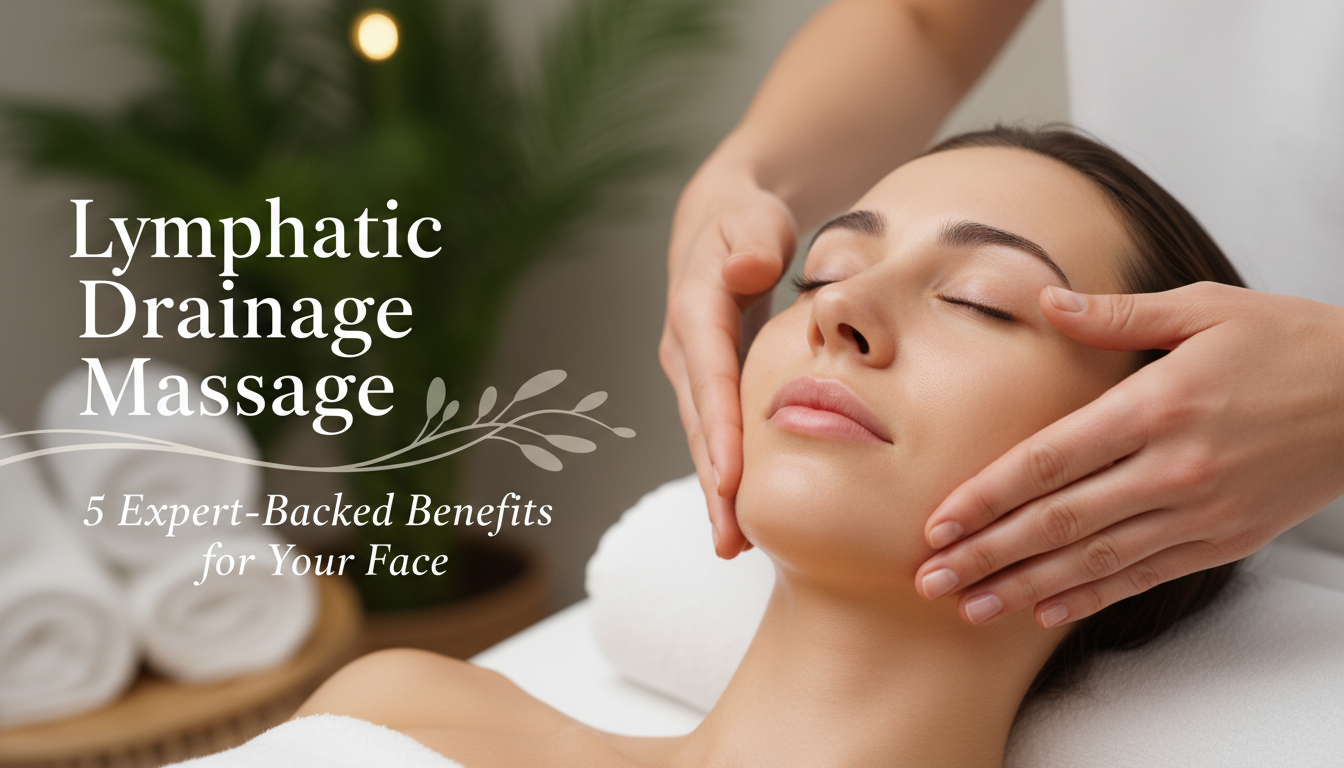
    Lymphatic Drainage Massage: 5 Expert-Backed Benefits for Your Face

    In the world of holistic skincare, few techniques have gained as much traction as lymphatic drainage massage. Once a best-kept secret among high-end estheticians and celebrity facialists, this gentle, rhythmic treatment is now a staple for anyone seeking a “snatched” jawline and a radiant complexion. But beyond the viral TikTok videos, there is a deep-rooted physiological basis for why moving fluid around your face can transform your appearance.

    The lymphatic system is often described as the body’s internal filtration system. Unlike the circulatory system, which relies on the heart to pump blood, the lymphatic system has no central pump. It depends on muscle movement and manual stimulation to transport “lymph”—a fluid containing white blood cells and metabolic waste—to the lymph nodes for filtration. When this flow becomes sluggish in the facial area, the results are often visible in the form of dullness, puffiness, and congestion.

    Understanding Facial Lymphatic Drainage

    Facial lymphatic drainage involves very light, intentional pressure and rhythmic strokes. Because the lymphatic vessels are located just beneath the surface of the skin, heavy pressure is unnecessary and can actually collapse the vessels, making the treatment less effective. By stimulating these pathways, you encourage the drainage of interstitial fluid toward the major lymph nodes located near the ears and down the neck.

    Whether performed by a professional or at home using your hands, a gua sha tool, or a jade roller, the physiological benefits remain the same. Here are five expert-backed reasons to integrate this practice into your skincare ritual.

    1. Significant Reduction in Puffiness and Water Retention

    The most immediate and visible benefit of lymphatic drainage is the reduction of “edema,” or fluid retention. Factors like high-sodium diets, lack of sleep, allergies, and hormonal fluctuations can cause fluid to pool in the delicate tissues of the face, particularly around the eyes and jawline.

    By manually directing this fluid toward the lymph nodes, you effectively “de-puff” the face. This process clears the accumulation of excess water, leading to a more refreshed and rested appearance. It is particularly effective for those who experience “morning puffiness” that doesn’t seem to dissipate on its own.

    2. Natural Sculpting and Facial Contouring

    While lymphatic drainage cannot change your bone structure or melt fat, it can reveal the underlying architecture of your face that is often hidden by fluid. By clearing the lymph from the mid-face and jaw areas, the cheekbones appear more prominent and the jawline more defined.

    Experts often refer to this as a “natural facelift.” Regular sessions can help maintain a more contoured look, as consistent drainage prevents the chronic buildup of fluid that can make the face look “heavy” or sagging over time.

    3. Enhanced Skin Radiance and “The Glow”

    Stagnant lymph can lead to a sallow, dull complexion because cellular waste is not being efficiently removed. When you stimulate lymphatic flow, you also indirectly support local blood circulation. This increased micro-circulation delivers a fresh supply of oxygen and essential nutrients to the skin cells.

    The result is a noticeable “glow-from-within.” Over time, this improved nutrient delivery supports the skin’s natural regeneration process, leading to a more vibrant and even skin tone.

    4. Detoxification and Acne Management

    For individuals struggling with certain types of acne or skin congestion, lymphatic drainage can be a supportive therapy. The lymphatic system is responsible for removing toxins, bacteria, and cellular debris. When the system is sluggish, these “wastes” can contribute to inflammation and breakouts.

    By keeping the pathways clear, you create a cleaner environment for your skin to thrive. While it is important to avoid massaging directly over active, cystic acne (to prevent spreading bacteria), draining the surrounding areas can reduce the inflammation and swelling associated with breakouts, allowing the skin to heal faster.

    5. Relief from Sinus Pressure and Tension

    Beyond the aesthetic perks, facial lymphatic drainage offers significant wellness benefits. Many people carry tension in their jaw (TMJ) and brow area, which can impede fluid flow. Furthermore, those suffering from chronic sinus congestion or seasonal allergies can find immense relief through this technique.

    The rhythmic movements help to move mucus and fluid out of the sinus cavities. This can reduce the feeling of “heaviness” in the face and may even help alleviate sinus-related headaches.

    Comparing Methods: Professional vs. At-Home

    While at-home tools are convenient, there are distinct differences between a DIY session and a professional treatment.

    Feature At-Home (Gua Sha/Rollers) Professional (Manual Lymphatic Drainage)
    Technique User-led; often relies on tools. Expert “Vodder Method” or specialized hand movements.
    Pressure Variable; often too firm. Precisely calibrated light pressure.
    Results Great for daily maintenance. Deeply therapeutic and highly targeted.
    Cost One-time tool investment. Per-session fee ($100 – $250+).

    Pros and Cons of Lymphatic Drainage Massage

    Pros

    • Non-Invasive: It provides a contoured look without the need for needles or downtime.
    • Relaxing: The slow, rhythmic nature of the massage lowers cortisol levels and calms the nervous system.
    • Improves Product Absorption: By reducing congestion, your serums and moisturizers can penetrate more effectively.
    • Immediate Gratification: De-puffing results are often visible within minutes.

    Cons

    • Temporary Results: Without lifestyle changes or regular practice, the fluid will eventually return.
    • Technique Sensitive: Pulling the skin too hard or moving in the wrong direction can be counterproductive.
    • Contraindications: It is not suitable for those with active skin infections, fever, or certain heart conditions.

    Frequently Asked Questions

    How often should I do facial lymphatic drainage?

    For at-home maintenance, 2–3 times a week is ideal for most people. However, doing a quick 2-minute routine daily during your cleansing step can yield the most consistent results in terms of puffiness control.

    Can I do this if I have Botox or Fillers?

    It is generally recommended to wait at least 2 weeks after receiving Botox or dermal fillers before performing any facial massage. Massaging too soon can potentially move the product into unwanted areas. Always consult with your injector first.

    Which direction should I massage?

    The golden rule of lymphatic drainage is to move fluid toward the “drainage points.” For the face, this generally means moving from the center of the face outward toward the ears, and then down the sides of the neck toward the collarbone.

    Do I need an expensive tool to see results?

    No. While Gua Sha stones and jade rollers are popular and can provide a cooling effect, your fingertips are perfectly effective tools. The most important factor is the technique and the lightness of the touch.

    Who should avoid lymphatic drainage?

    You should avoid this massage if you have an active skin infection (like cold sores or shingles), a fever, undiagnosed lumps, or if you have a history of blood clots. If you are pregnant or have a chronic health condition, it is always best to consult your doctor first.


    Topic: Lymphatic drainage massage benefits for face
    Tags: #Lymphatic #Drainage #Massage #ExpertBacked #Benefits #Face

  • Top 7 Essential Oils for a Relaxing Spa Massage: Expert Guide

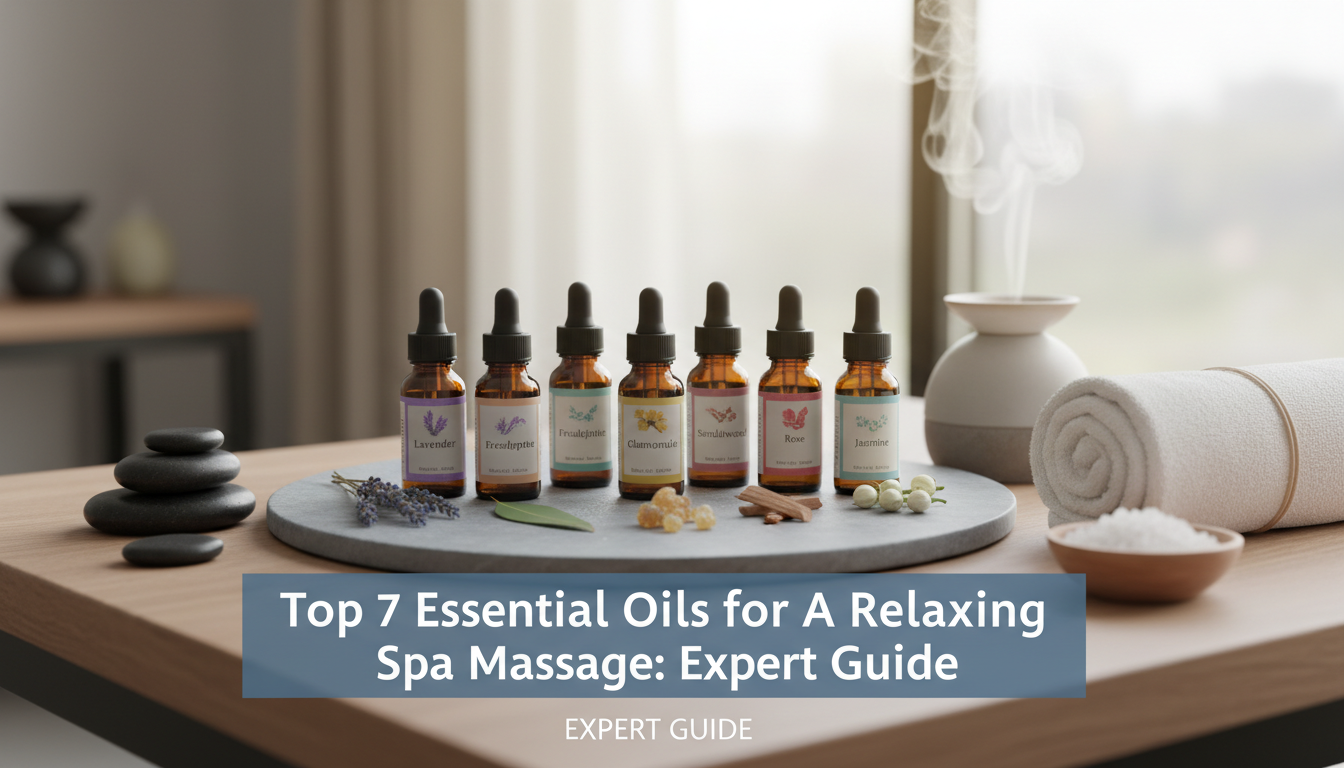
    Top 7 Essential Oils for a Relaxing Spa Massage: Expert Guide

    The scent of a high-end spa is unmistakable—a delicate balance of earthy, floral, and herbaceous notes that signals the brain to immediately downshift. While the physical technique of a massage works on the muscles, the essential oils used during the treatment work on the nervous system. This synergy between touch and scent is what elevates a standard massage into a therapeutic spa experience.

    Choosing the right essential oil is about more than just personal preference; it is about matching the botanical properties of the oil to your physical and emotional needs. Whether you are looking to quiet a racing mind, soothe sore muscles, or simply drift into a deep state of relaxation, the following seven essential oils are the industry standards for a reason.

    1. Lavender (Lavandula angustifolia)

    Lavender is arguably the most famous essential oil in the world, and for good reason. It contains high levels of linalool and linalyl acetate, compounds known for their ability to inhibit the central nervous system’s excitability. In a spa setting, lavender acts as a powerful sedative, making it the primary choice for those suffering from insomnia or high-stress levels.

    • Best For: Deep sleep, anxiety reduction, and skin soothing.
    • Experience: A soft, floral aroma that feels instantly familiar and safe.

    2. Bergamot (Citrus bergamia)

    Unlike many other citrus oils that are purely energizing, Bergamot has the unique ability to be both uplifting and calming. It is excellent for “stress-relief” massages where the goal is to improve mood without causing drowsiness. Research suggests that Bergamot can help reduce cortisol levels, the body’s primary stress hormone.

    • Best For: Emotional balance and relieving mild depression.
    • Expert Tip: Always ensure your therapist uses “Bergapten-free” oil if you plan to go into the sun after your massage, as standard Bergamot can be photosensitive.

    3. Ylang-Ylang (Cananga odorata)

    Extracted from the star-shaped flowers of the tropical Cananga tree, Ylang-Ylang is a heavy, sweet floral oil. In traditional aromatherapy, it is used to lower blood pressure and slow down a rapid heart rate. It is particularly effective for people who carry stress in their chest and shoulders.

    • Best For: Reducing hypertension and promoting a sense of sensuality and comfort.
    • Experience: Rich, exotic, and intensely floral.

    4. Roman Chamomile (Anthemis nobilis)

    Often referred to as the “herbal aspirin,” Roman Chamomile is incredibly gentle. While many associate chamomile with tea, its essential oil form is a potent anti-inflammatory. It is ideal for a spa massage focused on soothing irritated skin or calming a “fidgety” mind that cannot seem to settle on the table.

    • Best For: Sensitive skin, irritability, and muscle spasms.
    • Experience: A sweet, apple-like herbaceous scent.

    5. Sandalwood (Santalum album)

    For those who find floral scents overwhelming, Sandalwood offers an earthy, grounded alternative. It has been used for centuries in meditation practices because of its ability to promote mental clarity and stillness. During a massage, it helps “ground” the recipient, making it perfect for people who feel scattered or overwhelmed by modern life.

    • Best For: Mindfulness, meditation-focused massage, and dry skin.
    • Experience: Deep, woody, and lingering.

    6. Frankincense (Boswellia carterii)

    Often called the “King of Oils,” Frankincense has a resinous, spicy aroma that encourages deep, diaphragmatic breathing. In a spa environment, this oil is used to help the client “let go” of deep-seated tension. It is also highly prized for its skin-rejuvenating properties, making it a common addition to anti-aging body treatments.

    • Best For: Deep relaxation, respiratory health, and skin repair.
    • Experience: Warm, balsamic, and slightly citrusy.

    7. Clary Sage (Salvia sclarea)

    Clary Sage is often recommended for women due to its affinity for hormonal balance, but its benefits are universal. It contains an ester called linalyl acetate (similar to Lavender), which reduces muscle tension and promotes a sense of euphoria. It is one of the most effective oils for inducing a state of “dreamy” relaxation.

    • Best For: Hormonal stress, PMS symptoms, and intense muscle tightness.
    • Experience: Earthy and nutty with a hint of sweetness.

    The Importance of Carrier Oils

    Essential oils are highly concentrated and should never be applied directly to the skin during a massage. They must be diluted in a carrier oil. The carrier oil not only protects the skin but also determines how the oil absorbs and how the massage therapist’s hands glide over your body.

    Carrier Oil Skin Type Benefit
    Sweet Almond Oil All Skin Types Rich in Vitamin E; provides a medium glide perfect for Swedish massage.
    Jojoba Oil Oily/Acne-Prone Closely mimics the skin’s natural sebum; absorbs quickly without clogging pores.
    Fractionated Coconut Oil Dry/Dehydrated Lightweight, odorless, and has a long shelf life.
    Grapeseed Oil Sensitive Very light and non-greasy; ideal for those who don’t want to feel “oily” after a spa visit.

    Pros and Cons of Using Essential Oils in Massage

    While aromatherapy can significantly enhance a massage, it is important to weigh the therapeutic benefits against potential sensitivities.

    Pros

    • Enhanced Nervous System Regulation: Oils like lavender and frankincense help move the body from “fight or flight” into “rest and digest.”
    • Targeted Relief: You can customize your massage (e.g., using Chamomile for inflammation or Bergamot for mood).
    • Lasting Effects: The scent molecules remain in the system for several hours, extending the “spa glow” long after the treatment ends.

    Cons

    • Allergic Reactions: Some individuals may experience skin irritation or respiratory sensitivity to specific plant extracts.
    • Photosensitivity: Certain oils (mostly citrus) can cause the skin to burn more easily in the sun.
    • Pregnancy Concerns: Not all essential oils are safe for expectant mothers; professional guidance is required.

    Safety and Best Practices

    To ensure your relaxing spa massage is safe as well as effective, keep these expert tips in mind:

    1. Perform a Patch Test: If you have sensitive skin, ask your therapist to test a small amount of the diluted oil on your inner forearm before the full-body application.
    2. Purity Matters: Ensure the spa uses 100% pure, therapeutic-grade essential oils. Synthetic fragrances do not offer the same biological benefits and can often cause headaches.
    3. Hydration is Key: Massage releases metabolic waste from the muscles, and essential oils can stimulate the lymphatic system. Drink plenty of water afterward to help your body flush these out.

    Frequently Asked Questions

    Which essential oil is best for a deep tissue massage?

    While lavender is great for relaxation, many experts prefer Frankincense or Clary Sage for deep tissue work. These oils help the muscles relax more deeply, allowing the therapist to work on the fascia without causing as much discomfort to the client.

    Can I mix different essential oils together?

    Yes, “blending” is a common spa practice. A popular relaxing blend is Lavender and Sandalwood, which provides both a floral top note and an earthy base note for a well-rounded sensory experience.

    Are there any essential oils I should avoid?

    This depends on your health profile. For example, people with epilepsy should avoid Rosemary or Sage, and those on blood thinners should be cautious with Wintergreen. Always disclose your medical history to your massage therapist before the session begins.

    How long do the effects of aromatherapy massage last?

    While the immediate feeling of relaxation is felt during the massage, the essential oil molecules can stay in your bloodstream for up to 24 hours. Most people report feeling the “calming tail” of the massage for a full day afterward.


    Topic: Best essential oils for relaxing spa massage
    Tags: #Top #Essential #Oils #Relaxing #Spa #Massage #Expert #Guide

  • Deep Tissue vs. Swedish Massage: Expert Guide to Choosing the Best

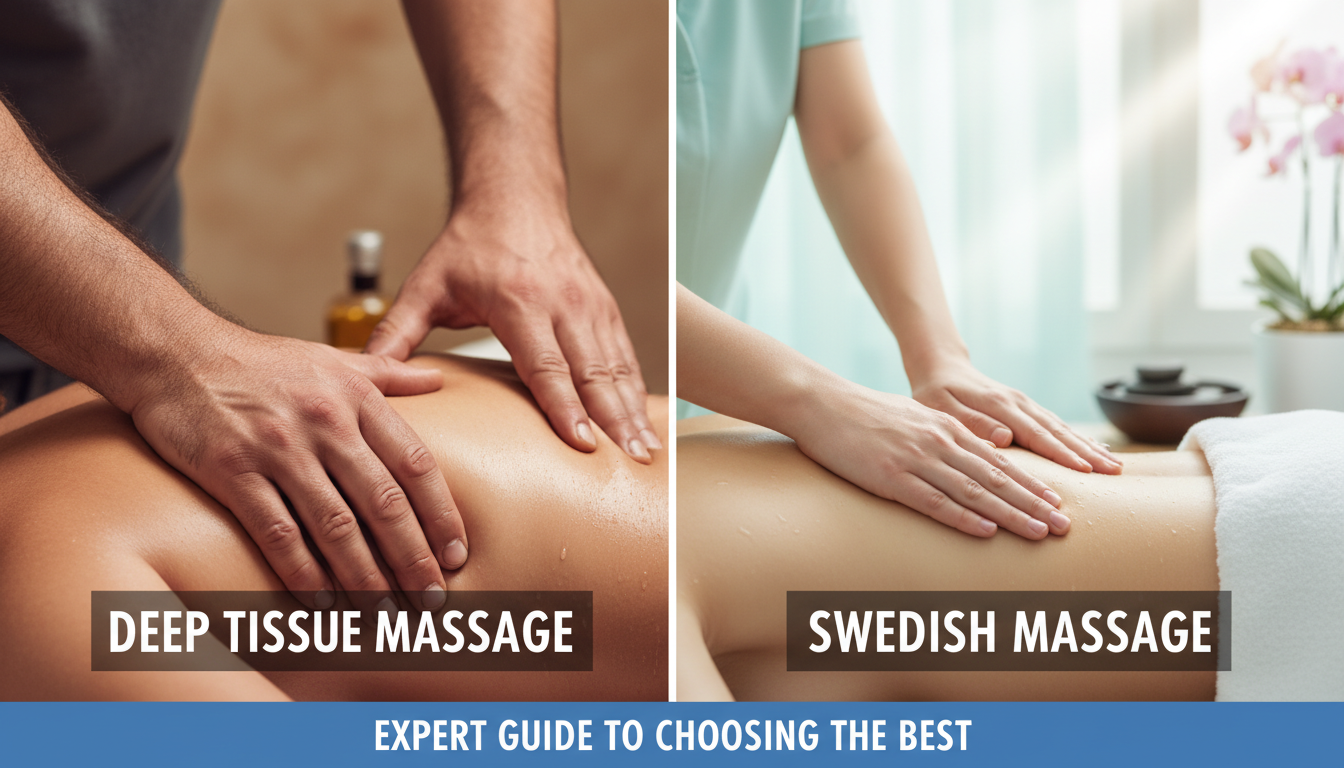
    Deep Tissue vs. Swedish Massage: Expert Guide to Choosing the Best

    Choosing between a Swedish massage and a deep tissue massage often feels like a guessing game. You know your body needs relief, but should you opt for the gentle, rhythmic flow of a classic Swedish session or the intense, targeted pressure of deep tissue work? While both modalities offer significant health benefits, they serve very different purposes and produce distinct physiological responses.

    Understanding these differences is the key to ensuring you walk out of the treatment room feeling restored rather than frustrated. Whether you are looking to melt away stress after a long work week or need to address a chronic “knot” in your shoulder that won’t quit, this guide will help you navigate the nuances of the two most popular massage techniques in the world.

    What is a Swedish Massage?

    Swedish massage is the foundation of modern Western massage therapy. It is designed primarily for relaxation and increasing oxygen flow in the blood. This technique focuses on the superficial layers of muscle rather than the deep connective tissue.

    During a Swedish massage, a therapist uses five specific strokes: effleurage (long, gliding strokes), petrissage (kneading), tapotement (rhythmic tapping), friction (cross-fiber rubbing), and vibration. By moving the blood toward the heart, Swedish massage helps shorten recovery time from muscular strain by flushing the tissues of lactic acid and uric acid.

    Best For:

    • First-time massage clients.
    • Individuals with high stress or anxiety.
    • Those with a low pain threshold.
    • General relaxation and “self-care” days.

    What is a Deep Tissue Massage?

    Contrary to popular belief, deep tissue massage is not just a “firmer” version of a Swedish massage. It is a specific therapeutic technique used to treat musculoskeletal issues, such as strains and sports injuries. It involves applying sustained pressure using slow, deep strokes to target the inner layers of your muscles and connective tissues (fascia).

    The primary goal is to break up scar tissue and physically break down muscle “knots” or adhesions (bands of painful, rigid tissue) that can disrupt circulation and cause pain, limited range of motion, and inflammation.

    Best For:

    • Chronic aches and pains (e.g., lower back pain or stiff neck).
    • Recovery from injuries (e.g., whiplash or falls).
    • Repetitive strain injuries like carpal tunnel syndrome.
    • Athletes looking to improve flexibility and break down scar tissue.

    Swedish vs. Deep Tissue: Key Differences at a Glance

    To help you decide quickly, here is a comparison of how these two treatments stack up against each other:

    |

    Feature Swedish Massage Deep Tissue Massage
    Primary Goal Relaxation and circulation Pain relief and structural alignment
    Pressure Level Light to medium Firm to intense
    Technique Long, flowing strokes Slower, concentrated pressure
    Target Area Superficial muscle layers Deep muscles and fascia
    Discomfort Level Minimal to none Moderate (therapeutic “good pain”)

    Pros and Cons

    Swedish Massage

    Pros:

    • Nervous System Regulation: It effectively lowers cortisol levels and boosts serotonin and dopamine.
    • No Downtime: You will likely feel energized and relaxed immediately after the session.
    • Skin Health: The use of oils and lotions combined with increased circulation promotes healthy skin.

    Cons:

    • Surface Level: It may not provide long-term relief for chronic, deep-seated muscular issues.
    • Lower Intensity: For those who enjoy “feeling the work,” it may feel too light.

    Deep Tissue Massage

    Pros:

    • Chronic Pain Management: Highly effective at reducing pain caused by long-term postural imbalances.
    • Increased Mobility: Breaks down adhesions that limit joint movement.
    • Lower Blood Pressure: Studies suggest deep tissue work can help reduce systolic and diastolic pressure.

    Cons:

    • Post-Session Soreness: It is common to feel “workout-style” soreness for 24–48 hours after treatment.
    • Intensity: Can be uncomfortable or even slightly painful during the process of breaking up knots.

    How to Choose the Right One for Your Body

    Choosing the right massage requires an honest assessment of your current physical state and your end goals. Ask yourself the following questions:

    1. Do you have a specific “problem area”?

    If you have a specific spot that feels tight, crunchy, or painful every day, Deep Tissue is your best bet. A Swedish massage will feel good in the moment, but it won’t have the mechanical force required to release those deeper fibers.

    2. Are you feeling mentally burnt out?

    If your primary struggle is mental exhaustion, a racing mind, or general fatigue, Swedish Massage is superior. The rhythmic nature of the strokes helps your brain enter a parasympathetic state (rest and digest), which is crucial for mental recovery.

    3. What is your pain tolerance?

    Deep tissue massage should never be “unbearable,” but it can be intense. If the idea of a therapist using their elbows or knuckles to dig into a muscle makes you flinch, start with a Swedish massage. You can always ask for “firm pressure” during a Swedish session to bridge the gap.

    What to Expect During and After Your Session

    For a Swedish massage, expect to spend most of the time in a state of semi-sleep. Afterward, you should drink plenty of water to help flush your system, but you can go about your day as normal.

    For a Deep Tissue massage, communication is vital. You should tell your therapist if the pressure is a 7 or 8 out of 10. If it hits a 9, you may tense up, which defeats the purpose of the massage. After the session, you might feel some tenderness. A warm bath with Epsom salts and extra hydration are highly recommended to help your muscles recover.

    Frequently Asked Questions

    Should a deep tissue massage hurt?

    It may cause “therapeutic discomfort,” but it should never be sharp or unbearable. If you find yourself holding your breath or tensing your muscles against the therapist’s touch, the pressure is too deep. Always speak up to ensure the treatment remains beneficial.

    Can I get a mix of both?

    Absolutely. Most experienced therapists perform what is known as “Therapeutic Massage,” which blends Swedish techniques for general circulation with Deep Tissue techniques for specific areas of tension. You can ask your therapist to focus deep tissue on your shoulders and use Swedish strokes on the rest of your body.

    How often should I get a massage for chronic pain?

    For chronic issues, an initial frequency of once every one to two weeks is often recommended. Once the acute pain subsides, a maintenance schedule of once a month is typically sufficient to prevent the return of deep muscle knots.

    Is deep tissue massage safe for everyone?

    Deep tissue massage is generally safe, but it may not be suitable for individuals with blood clots, certain types of cancer, or those on blood-thinning medication. Always consult with your doctor if you have an underlying medical condition before booking a deep tissue session.

    Why do I feel like I have a “hangover” after a deep tissue massage?

    This is often referred to as a “massage hangover.” It happens because the deep manipulation of muscle tissue can trigger a mild inflammatory response as the body begins to heal. Staying hydrated and resting usually resolves this within a day.


    Topic: Deep tissue massage vs Swedish massage difference
    Tags: #Deep #Tissue #Swedish #Massage #Expert #Guide #Choosing

  • 7 Science-Backed Benefits of Swedish Massage for Deep Stress Relief

    7 Science-Backed Benefits of Swedish Massage for Deep Stress Relief

    In our fast-paced, digital-centric world, chronic stress has become a quiet epidemic. While many view a massage as a luxury reserved for spa days, Swedish massage—the most common form of massage therapy—is actually a scientifically validated tool for physiological and psychological restoration. Developed in the 19th century, this modality uses specific techniques like effleurage (long, gliding strokes) and petrissage (kneading) to manipulate soft tissues.

    Beyond the immediate sensation of relaxation, Swedish massage triggers a cascade of biological responses that combat the “fight or flight” mechanism. By understanding the science behind these benefits, you can transition from viewing massage as a treat to seeing it as a vital component of your long-term wellness strategy.

    The Physiology of Swedish Massage

    Swedish massage primarily targets the superficial layers of muscle and the circulatory system. Unlike deep tissue massage, which focuses on intense pressure to release chronic knots, Swedish massage uses rhythmic movements to stimulate blood flow and calm the nervous system. This stimulation encourages the body to switch from the sympathetic nervous system (stress mode) to the parasympathetic nervous system (recovery mode).

    7 Skincare Science-Backed Benefits for Stress Relief

    1. Significant Reduction in Cortisol Levels

    Cortisol is known as the body’s primary stress hormone. While it is essential for survival, chronically high levels can lead to weight gain, high blood pressure, and weakened immunity. Multiple clinical studies, including research published in the International Journal of Neuroscience, have shown that Swedish massage can reduce cortisol levels by up to 30%. This hormonal shift allows the body to exit a state of constant high alert.

    2. Boosting “Feel-Good” Neurotransmitters

    Massage doesn’t just lower the bad hormones; it actively increases the good ones. Research indicates that Swedish massage sessions can lead to a 28% increase in serotonin and a 31% increase in dopamine. These neurotransmitters are responsible for mood stabilization, motivation, and feelings of happiness, making massage an effective complementary treatment for mild depression and seasonal affective disorder.

    3. Lowering Blood Pressure and Heart Rate

    Stress often manifests physically through a racing heart and elevated blood pressure. The soothing, repetitive motions of Swedish massage help to lower the heart rate and reduce systolic and diastolic blood pressure. By promoting vasodilation (the widening of blood vessels), the massage improves circulation, reducing the strain on the cardiovascular system and providing a deep sense of calm.

    4. Improvement in Sleep Quality

    Stress and sleep issues are caught in a vicious cycle. Swedish massage helps break this cycle by affecting delta waves—the brain waves associated with deep sleep. By increasing the time spent in these restorative stages of sleep, massage helps individuals wake up feeling more refreshed and better equipped to handle daily stressors.

    5. Relief from Tension Headaches

    Physical stress often accumulates in the neck, shoulders, and scalp, leading to tension headaches. Swedish massage techniques specifically target these areas to release myofascial tightness. Regular sessions have been shown to reduce the frequency and intensity of headaches, providing a non-pharmacological alternative for chronic sufferers.

    6. Enhanced Immune System Function

    Chronic stress suppresses the immune system, making you more susceptible to illness. A study conducted by researchers at Cedars-Sinai Medical Center found that a single 45-minute Swedish massage session significantly increased the number of lymphocytes—white blood cells that play a central role in defending the body from disease. This suggests that regular massage can actually make your body more resilient to physical stress.

    7. Reduction in Generalized Anxiety

    The intentional, therapeutic touch involved in Swedish massage provides a sense of safety and grounding. For individuals struggling with generalized anxiety disorder (GAD), massage serves as a somatic therapy that helps reconnect the mind with the body. The reduction in physical tension often leads to a corresponding decrease in “mental chatter” and intrusive thoughts.

    Swedish Massage vs. Deep Tissue: Which is Better for Stress?

    Choosing the right modality is essential for achieving your specific health goals. The following table highlights the key differences regarding stress management.

    Feature Swedish Massage Deep Tissue Massage
    Primary Goal Relaxation and circulation Chronic pain and injury recovery
    Pressure Level Light to medium Firm to intense
    Nervous System Impact Triggers “Rest and Digest” mode Can initially trigger “Fight or Flight” due to intensity
    Best For Mental stress, fatigue, and general tension Athletes, chronic knots, and postural issues

    Pros and Cons of Swedish Massage

    Pros

    • High Accessibility: Almost every certified massage therapist is trained in Swedish techniques.
    • Low Recovery Time: Unlike deep tissue work, you rarely feel “bruised” or excessively sore the next day.
    • Holistic Benefits: Addresses both physical muscle tension and mental emotional fatigue simultaneously.
    • Customizable: Pressure can be easily adjusted based on your comfort level.

    Cons

    • Temporary Relief: While highly effective, the benefits are cumulative and require regular sessions for long-term stress management.
    • Not for Deep Injuries: It may not be enough to resolve severe, chronic muscular adhesions or athletic injuries.
    • Cost: Professional massage therapy can be expensive if not covered by health insurance or a wellness HSA.

    Practical Guidance: Getting the Most Out of Your Session

    To maximize the stress-relieving benefits of your Swedish massage, consider the following expert tips:

    Hydrate Before and After

    Massage stimulates lymphatic drainage and circulation. Drinking water helps your kidneys process any metabolic waste released from the muscles during the session.

    Communicate with Your Therapist

    EEAT-aligned practice involves a two-way dialogue. If the pressure is too light or too heavy, speak up. The goal is relaxation; if you are tensing up because of discomfort, the massage will be less effective for stress relief.

    Schedule Mindfully

    Try to avoid scheduling a high-stress meeting immediately after your massage. Give yourself at least 30 to 60 minutes of “buffer time” to let the parasympathetic nervous system response settle in.

    Frequently Asked Questions

    How often should I get a Swedish massage for stress relief?

    For general stress management, many therapists recommend a session once every two to four weeks. However, during particularly high-stress periods (such as a major project at work), weekly sessions may be more beneficial for maintaining nervous system balance.

    Is Swedish massage safe for everyone?

    While generally safe, individuals with certain conditions like deep vein thrombosis (DVT), severe osteoporosis, or certain skin infections should consult a doctor first. Always disclose your full medical history to your therapist during the intake process.

    Will I be sore after a Swedish massage?

    It is uncommon to feel significant soreness after a Swedish massage because the pressure is moderate. However, if you haven’t had a massage in a long time, you might experience mild “good” soreness, similar to the feeling after a light workout, as blood flow increases to dormant tissues.

    Can I get a Swedish massage while pregnant?

    Yes, but it is typically referred to as Prenatal Massage. It uses Swedish techniques adapted for the safety and comfort of the mother and baby. Ensure your therapist is specifically certified in prenatal care.

    How long does a typical session last?

    Standard sessions are 60 or 90 minutes. A 60-minute session is usually sufficient for a full-body relaxation experience, while 90 minutes allows the therapist to spend more time on specific “stress holds” like the neck and lower back.


    Topic: Benefits of Swedish massage for stress relief
    Tags: #Skincare ScienceBacked #Benefits #Swedish #Massage #Deep #Stress #Relief

  • Hello world!

    Welcome to WordPress. This is your first post. Edit or delete it, then start writing!