Mani pedi self care benefits are more than just polished nails—they’re a holistic ritual that nurtures body and mind. When you treat yourself to a carefully executed manicure and pedicure, you invite a cascade of positive effects: healthier skin, improved circulation, a moment of mindful pause, and a touch of confidence that carries you through the day.
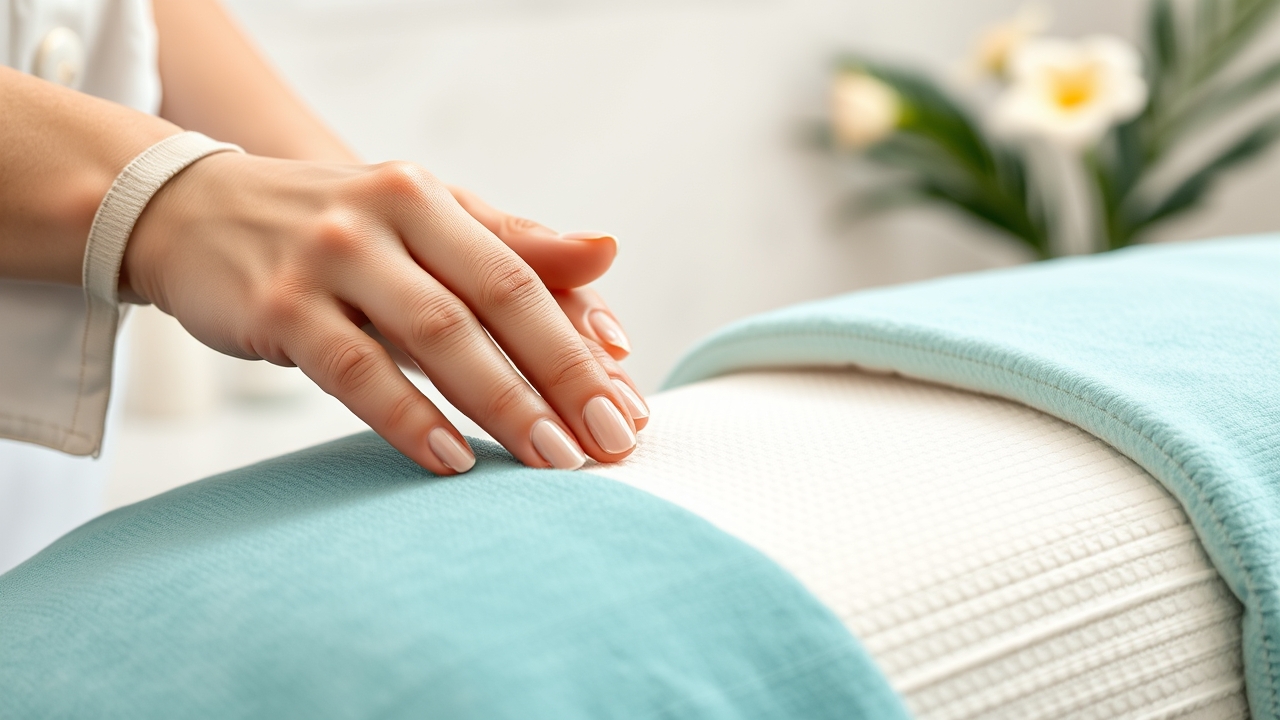
Mani Pedi Self Care Benefits: The Complete Guide
Below is a comprehensive look at how a mani pedi can serve as a cornerstone of your wellness routine. From basic hygiene to advanced spa‑style touches, we break down every element that turns a simple nail care session into a full recycler of vitality.
Physical Wellness: Strengthening Nails & Skin
- Improved Nail Integrity: Regular trimming and filing reduce split ends and breakage. The gentle pressure from a nail file stimulates the base of the nail, encouraging stronger growth.
- Moisture Balance: Hydrating cuticles and skin prevent dryness that can lead to cracking. A good base coat or cuticle oil creates a protective barrier.
- Enhanced Circulation: Massage of the fingers and toes increases blood flow, delivering essential nutrients to nail beds and surrounding tissues.
These physical benefits lay the groundwork for a healthier, more resilient extremity. While the changes may seem subtle, over time they contribute to a noticeable difference in nail appearance and comfort.


Mental Rejuvenation: Mindfulness in a Simple Ritual
In our fast‑paced lives, a mani pedi offers a dedicated space for self‑reflection. The repetitive motion of filing, the gentle squeeze of a massage ball, and the calm focus on each nail provide a form of meditative practice. This intentional pause can reduce cortisol levels and promote a sense of calm. Many people report feeling more centered after a session, citing the ritual as a reset button for the day.
Social Confidence: The Power of Polished Presentation
Well‑kept nails are often the first visual cue people notice. When nails look tidy and cared for, it signals attention to detail and self‑respect. This can positively influence first impressions in professional settings, social gatherings, or even casual encounters. The confidence that comes from knowing your nails look good can ripple into other areas of self‑esteem.
Daily Routine Integration: Making It Habitual
Incorporating a mani pedi into your weekly schedule turns it from a luxury into a sustainable habit. Dedicate 60 minutes every Sunday evening, or split the time between a 30‑minute hand session and a 30‑minute foot session on alternate days. Consistency is key—over weeks, the benefits compound, and the ritual becomes a natural part of your self‑care cycle.
Step‑by‑Step Mani Pedi Ritual
Preparation: Gather Supplies & Cleanse
Before you begin, ensure you have clean, sterilized tools: nail clippers, cuticle nippers, files, a gentle cleanser, and a moisturizing lotion. A small basin of warm water with a gentle soap will soften the skin and cuticles, making filing smoother.
Manicure Phase
- Trim nails to your preferred length.
- File edges in a single direction to prevent splitting.
- Gently push back cuticles with a cuticle stick; avoid cutting them.
- Apply a nourishing cuticle oil and massage into the nail bed.
- Choose a base coat, apply a thin layer of polish, and finish with a top coat for shine.
Pedicure Phase
- Soak feet for 10 minutes with a mild soak solution (e.g., warm water and a few drops of essential oil).
- Exfoliate using a pumice stone or foot scrub to remove dead skin.
- Trim toenails straight across to prevent ingrown nails.
- File and shape each nail gently.
- Massage feet with a foot cream or oil, focusing on the arch and heels.
- Apply a base coat, two layers of your chosen polish, and a protective top coat.
Finishing Touches & Aftercare
After the polish dries, apply a light layer of hand lotion to lock in moisture. Store nails in a breathable case to avoid damage. A quick 5‑minute foot massage each morning can keep circulation lively and prevent stiffness.
Common Mistakes & How to Avoid Them
- Over‑cutting cuticles: Cutting can lead to infection. Instead, gently aloe or oil‑based cuticle remover.
- Using harsh nail polish remover: Acetone can dry out nails. Opt for a non‑acetone formula.
- Skipping the base coat: This can cause staining and uneven polish application.
- Applying too much polish at once: Thin layers dry faster and reduce chipping.
Advanced Techniques: Spa‑Level Touches at Home
For those who want to elevate their routine, consider the following:
- Infuse congress of essential oils into your soak—lavender for relaxation, tea tree for antibacterial benefits.
- Use a high‑quality nail buffer to create a mirror‑like finish.
- Incorporate a quick facial massage around the eyes and cheeks; the skin around the nails often mirrors overall facial tension.
- Try a “dry” manicure: use a specialized nail brush to clean the nail bed without water, preserving moisture.
Choosing the Right Products for Optimal Results
Nail Polish Basics
Opt for a low‑VOC, cruelty‑free polish that contains nourishing ingredients like vitamin E or jojoba oil. Test a small strip on a non‑visible nail to ensure no allergic reaction. Remember, the base coat isn’t just a primer—it protects the nail from staining and adds a subtle layer of strength.
Cuticle Care Essentials
Cuticle oil should be rich in fatty acids and essential oils. Apply a thin layer, let it absorb for 5 minutes, then gently push back. Avoid over‑soaking; a 20‑minute soak can soften cuticles too much, making them fragile.
Tools & Accessories
Invest in a stainless‑steel nail file and a pair of stainless‑steel cuticle nippers. For a spa‑like finish, use a silicone polishing pad that won’t scratch the nail surface. Keep a small bottle of 70% isopropyl alcohol for quick sanitization between uses.
Seasonal Nail Care: Adapting Your Routine
Winter’s dryness can make nails brittle. Add a protein‑rich mask (e.g., protein gel) to your weekly routine and keep cuticles well‑oiled. In summer, switch to a light, breathable polish and add a quick 5‑minute foot soak with cucumber slices to reduce swelling. Adjust the frequency of your mani pedi—twice a month in summer, once a month in winter—to match skin hydration levels.
Common Health Conditions & Nail Care
People with eczema or psoriasis often experience nail brittleness. Use a gentle, fragrance‑free cleanser and avoid harsh chemicals. Diabetes patients should monitor foot health closely; a pedicure should focus on gentle exfoliation and avoid any deep cuts. If you notice persistent redness or swelling, consult a dermatologist before continuing a DIY routine.
DIY vs. Professional: When to Call the Expert
DIY is perfect for routine maintenance and quick touch‑ups. However, if you experience ingrown toenails, fungal infections, or persistent nail pain, a licensed esthetician or podiatrist can provide deeper treatment, such as laser therapy or prescription antifungals. A professional setting also guarantees sterile tools, reducing the risk of cross‑infection.
Mindful Breathing & Relaxation During Mani Pedi
Pair each massage step with a 4‑7‑8 breathing pattern: inhale for 4 seconds, hold for 7, exhale for 8. This simple rhythm lowers heart rate and enhances the calming effect of the mani pedi. If you’re in a quiet space, close your eyes and focus on the sensation of each nail, turning the routine into a full‑body meditation.
Tool Hygiene & Reuse: Safety First
After each session, wipe tools with a 70% alcohol pad and store them in a sealed container. Never share nail files; the micro‑bacteria that thrive on damp surfaces can cause fungal infections. If you’re using a nail brush, rinse it after each use and let it air‑dry completely before the next session.
Nail Care Myths Debunked
Myth 1: Dark polish stains nails. Reality: A good base coat blocks pigment transfer.
Myth 2: Cutting cuticles makes nails grow faster. Reality: Over‑cutting can damage the nail matrix, slowing growth.
Myth 3: Nail polish is always damaging. Reality: Low‑VOC, non‑acetone formulas are safe for regular use.
FAQ
Q: How often should I do a mani pedi to see benefits?
A: Most people find that a weekly session—once a week for hands and once a week for feet—provides consistent results without over‑exposure.
Q: Can a mani pedi help with nail infections?
A: While it doesn’t replace medical treatment, regular cleaning and proper cuticle care reduce the risk of fungal or bacterial growth.
Q: What are mani pedi self care benefits for people with busy schedules?
A: By dedicating a fixed 30–60 minute slot each week, you create a predictable routine that delivers both relaxation and tangible physical benefits.
Q: Mani pedi self care benefits for mental health?
A: The ritual’s mindful aspects can lower stress, promote relaxation, and provide a brief escape from daily pressures.
Q: Which polish color is best for healthy nails?
A: Light, neutral shades (e.g., pale pink, soft taupe) reduce the visual impact of nail imperfections and are easier to remove, minimizing exposure to harsh chemicals.
Conclusion
Mani pedi self care benefits extend far beyond the surface. When approached with intention, this ritual becomes a micro‑wellness experience that nurtures body, mind, and spirit. By following the steps outlined above, avoiding common pitfalls, and embracing advanced techniques, you can transform a simple nail care session into a powerful self‑care practice that supports your overall well‑
For further reading, see related references on Wikipedia.
Leave a Reply