How to relieve stress after work can transform your evenings, turning them into moments of calm and renewal. After a long day at the office, the body and mind often carry a heavy load of tension. By actively choosing a routine that nurtures both, you can shift from exhaustion to a peaceful, restorative state.
How to Relieve Stress After Work: Simple Steps
One of the most accessible ways to decompress is to treat yourself to a brief nail care session. Nail care is not just about aesthetics—it’s a mindful ritual that encourages you to focus on the present. Begin by soaking your hands in warm water with a few drops of essential oil. While your nails soften, take slow, deep breaths. This simple sensory exercise can lower blood pressure and reduce cortisol, the hormone linked to stress.
Step 1: Create a Dedicated Space
- Choose a quiet corner with soft lighting.
- Place a small table or tray for your nail kit.
- Keep a playlist of calming music or nature sounds nearby.
- Set a timer for 20–30 minutes to avoid over‑working the process.
Step 2: Nail Care Routine
- Trim and file nails to a smooth shape.
- Apply a base coat to protect the nail surface.
- Choose a color that feels uplifting—pastels or muted tones can be soothing.
- Finish with a top coat and a quick polish remover wipe to keep the nails neat.
Throughout this routine, keep your breathing steady. Inhale for four counts, hold for two, exhale for six. This rhythm helps activate the parasympathetic nervous system, promoting relaxation.


Step 3: Transition to a Massage
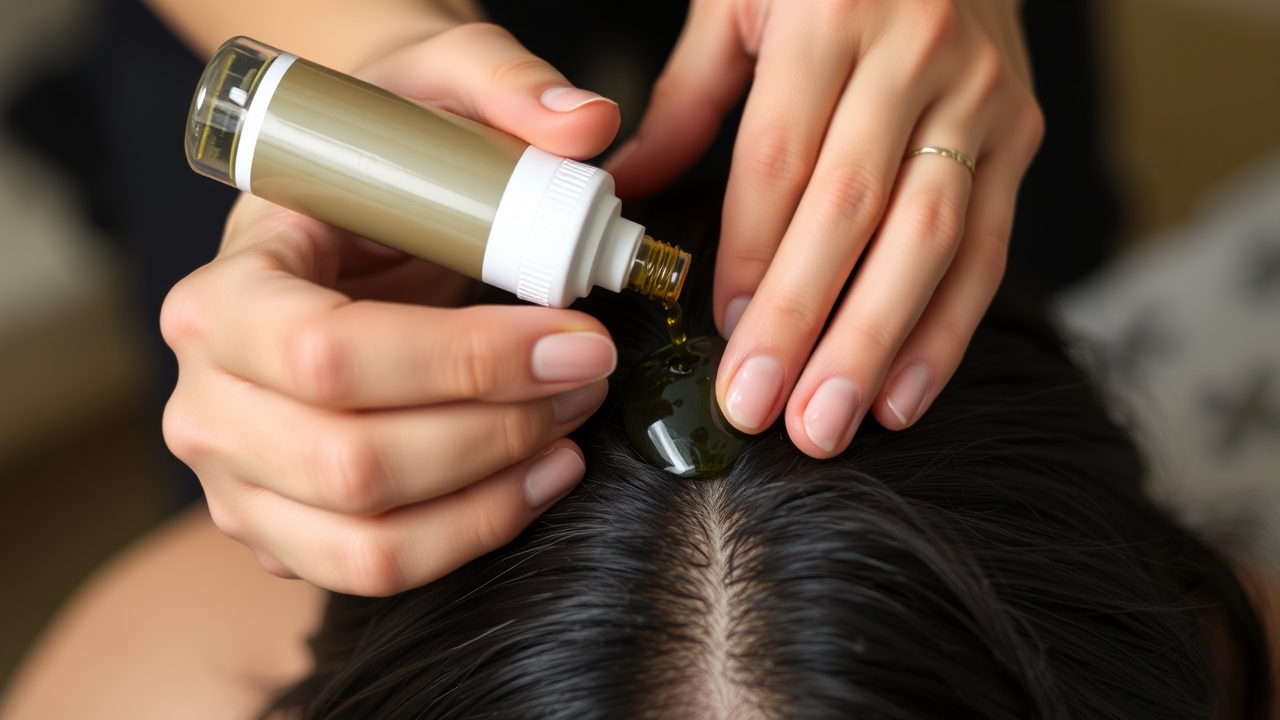
After your nails are polished, shift focus to a gentle massage. Use a lightweight oil, such as almond or jojoba, to massage the forearms, wrists, and hands. This step not only eases muscle tension but also stimulates circulation, which can lift the mood.
Unwind After Work with a Nightly Decompress Routine
In addition to nail care and massage, a broader nightly decompress routine can amplify the benefits. Below are key elements to consider:
- Hydration: Drink a glass of water or herbal tea to flush out toxins.
- Stretching: Gentle stretches for the neck, shoulders, and spine can release built‑up tension.
- Mindfulness Meditation: Even five minutes of guided meditation can reduce stress perception.
- Warm Bath: A lukewarm shower or bath with Epsom salts can soothe sore muscles.
These practices, when combined, create a holistic system that addresses both physical and mental fatigue.
Stress Relief Routine for Busy Professionals
For those on tight schedules, a micro‑routine can be surprisingly effective. Here’s a 10‑minute plan:
- 5 minutes of deep breathing while standing in front of a mirror.
- 3 minutes of light stretching (neck rolls, shoulder shrugs).
- 2 minutes of a quick hand massage with a nourishing oil.
Consistency is key—doing this routine daily can gradually lower baseline stress levels.
Relax in Evening: Tips for a Calming Transition
Evening relaxation is not just about the activities you choose, but also about the environment you create. Consider the following:
- Lighting: Switch from bright overhead lights to dim, warm bulbs.
- Temperature: Keep the room slightly cooler to promote restful sleep.
- Digital Detox: Turn off screens at least 30 minutes before bed to reduce blue light exposure.
- Scents: Use lavender or chamomile essential oils to signal the body that it’s time to wind down.
These adjustments prime the body for a deeper, more restorative sleep phase.
Decompress Tips for the Modern Worker
Modern work environments often involve constant connectivity. Here are common decompress tips that fit into a busy day:
- Take micro‑breaks: every 90 minutes, stand, stretch, and breathe.
- Use a standing desk for part of the day to reduce back strain.
- Set a “no‑email” period in the evening to prevent work thoughts from lingering.
- Practice gratitude journaling for five minutes before bed.
These habits, when paired with the nail and massage routine, create a comprehensive stress‑relief framework.
Scientific Insight: Why These Practices Work
According to Wikipedia’s page on stress, chronic stress can lead to a cascade of physiological changes, including elevated heart rate and muscle tension. The practices outlined here—nail care, massage, breathing, and environmental tweaks—target these exact systems. By engaging the nervous system’s relaxation pathways, they may reduce cortisol levels and improve overall well‑being.
Integrating the Routine into Your Lifestyle
Adopting a new routine can feel daunting, but the key is gradual integration. Start by adding one element each week:
- Week 1: Nail care and hand massage.
- Week 2: Add stretching and breathing.
- Week 3: Introduce a warm bath or shower.
- Week 4: Implement evening environment tweaks.
Over time, these practices will become second nature, providing a reliable toolkit for managing post‑work stress.
Understanding the Stress Cycle
Before diving deeper, it helps to grasp the three phases of the stress cycle: Alarm, Resistance, and Exhaustion. The alarm phase is the initial surge of adrenaline when a task appears daunting. Resistance follows, where the body attempts to adapt by maintaining heightened alertness. If the stressor persists, exhaustion sets in, draining energy and impairing function. By introducing calming rituals during the resistance phase, you can prevent the slide into exhaustion.
Nutrition and Stress
What you eat directly influences your stress levels. Foods high in refined sugars spike cortisol, while complex carbohydrates and omega‑3 fatty acids stabilize it. Incorporate these anti‑stress foods into your dinner: a salmon fillet with quinoa, sautéed spinach, and a squeeze of lemon. Pair it with a glass of chamomile tea to enhance relaxation. Avoid late‑night caffeine and heavy proteins that can keep you wired.
Sleep Hygiene for the Post‑Work Mind
Quality sleep is the ultimate stress reliever. Aim for 7–9 hours per night. Create a pre‑sleep ritual: dim lights, read a calming book, or practice progressive muscle relaxation. Keep your bedroom cool (around 65°F/18°C) and free of electronic devices. A consistent bedtime schedule trains the circadian rhythm, improving both mood and cognitive performance.
Mindful Tech Use
Technology can be a double‑edged sword. To harness its benefits without amplifying stress, set boundaries: designate tech‑free zones, use “Do Not Disturb” modes, and schedule short “screen breaks” where you step away for a few minutes. When you do engage with devices, practice intentional scrolling—limit social media to 10 minutes and focus on content that uplifts rather than triggers comparison.
Social Connection: The Stress Buffer
Human connection is a powerful antidote to stress. Schedule a weekly catch‑up with a friend or family member, even if it’s a quick phone call. Shared laughter releases endorphins, while empathetic listening can provide emotional release. If you’re new to socializing, try a hobby group or a community class—meeting people with shared interests reduces the anxiety of social interaction.
Professional Support: When to Seek Help
While these self‑care rituals are effective, they’re not a substitute for professional help when stress becomes chronic or debilitating. Consult a therapist, counselor, or a certified stress coach if you experience persistent anxiety, insomnia, or physical symptoms like headaches and stomachaches. A professional can tailor coping strategies to your unique situation.
Long‑Term Habit Building: From Routine to Lifestyle
Habit formation is a science. Use the Habit Loop—cue, routine, reward—to embed these practices. Example: cue (your phone alarm at 6 pm), routine (10‑minute breathing and stretching), reward (a cup of herbal tea). Over 21 days, the routine becomes automatic. Track progress with a habit journal or a habit‑tracking app, celebrating small wins to maintain motivation.
FAQ
- Can I do this routine at home? Absolutely. All you need is a quiet corner, a nail kit, a small bottle of essential oil, and a few minutes of your time.
- Will this replace professional therapy? No. These practices complement therapy but don’t replace professional mental health care when needed.
- What if I only have five minutes? Focus on deep breathing and a quick stretch. Even a brief pause can lower cortisol if done consistently.
- How can I keep the routine from feeling like another chore? Treat it as a reward, not a task. Pair it with something you enjoy—like your favorite playlist or a warm beverage.
- Can I adapt the routine for a night shift worker? Yes. Shift the timing to your personal wind‑down period, whether that’s after a late shift or early morning. The key is consistency, not the exact hour.
For more personalized wellness plans, visit our wellness site and explore additional resources tailored to your needs.
Leave a Reply