How massage helps you relax by targeting tension, easing the nervous system, and encouraging the release of endorphins. The simple act of a skilled hand moving across your skin can produce a cascade of calming signals that ripple through the body.
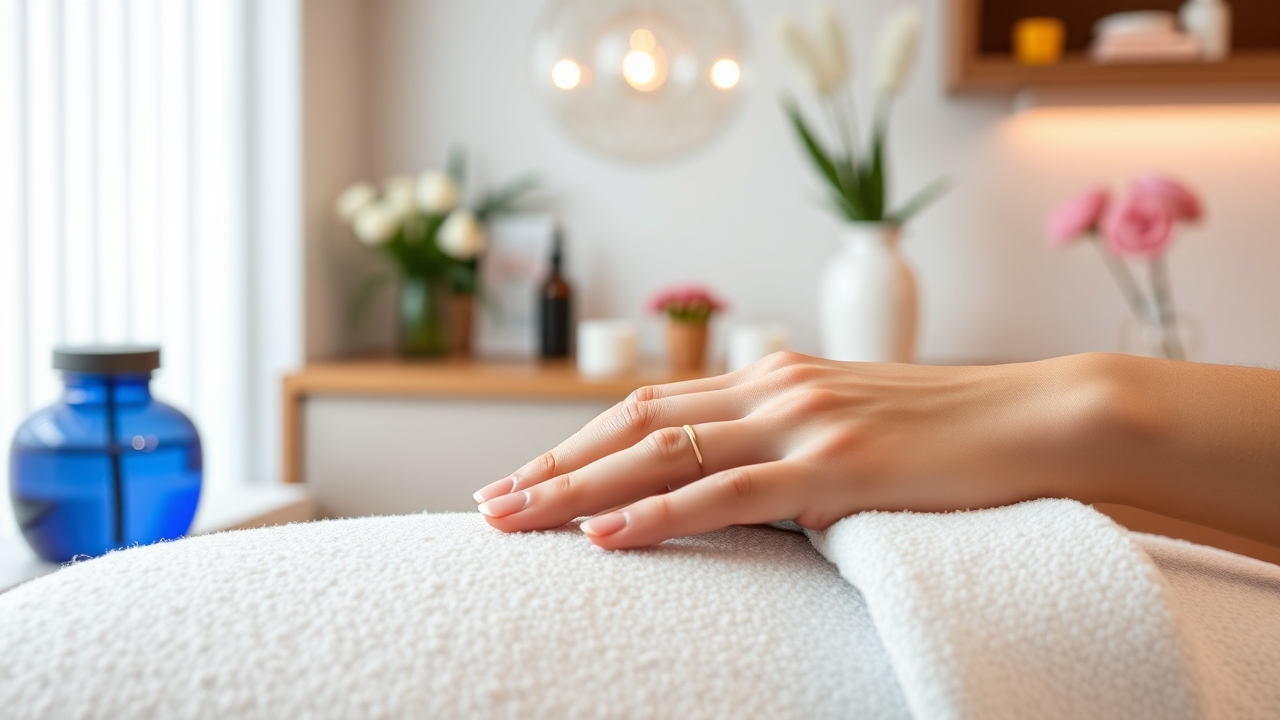
How Massage Helps You Relax: The Core Mechanisms
When you ask how massage helps you relax, you’re looking for more than a simple body ritual. It’s about how touch interacts with the nervous system, how pressure points can modulate hormone levels, and how rhythm can reset the internal clock. While the exact pathways are still being studied, many practitioners observe consistent patterns: a drop in heart rate, lower blood pressure, and a sense of mental clarity.
Neural Response to Touch
- Pressure stimulates mechanoreceptors that send signals to the spinal cord.
- These signals travel to the brain’s limbic system, the emotional hub.
- The result is a release of serotonin and dopamine, natural mood enhancers.
Musculoskeletal Relaxation
By applying targeted pressure, massage can reduce muscle stiffness, making joints more mobile. The reduction in muscle tone may help the body feel lighter and more at ease.


Benefits of Massage
Understanding how massage helps you relax is essential for choosing the right technique. Below are the key benefits that many people experience after a session:
- Stress Reduction: The calming effect on the nervous system can lower cortisol levels, the body’s primary stress hormone.
- Improved Circulation: Massage promotes blood flow, which carries oxygen and nutrients to tissues.
- Enhanced Sleep: A relaxed body is more likely to fall into deep, restorative sleep.
- Boosted Immune Function: By encouraging circulation, massage may help white blood cells travel more efficiently.
- Emotional Release: The tactile connection can provide a safe space for emotional processing.
Massage for Stress
If you’re wondering how massage helps you relax during high‑pressure days, consider this. A 30‑minute Swedish massage can be a quick reset that leaves you feeling recharged. For chronic stress, a deeper tissue approach might be necessary to release deeper muscle layers.
Choosing the Right Style
- Swedish: Light to medium pressure, ideal for beginners.
- Deep Tissue: Stronger pressure targeting deeper muscles.
- Trigger Point: Focused pressure on specific pain points.
- Shiatsu: Finger pressure along energy meridians.
Relaxation Massage Techniques
The key to seeing how massage helps you relax lies in the gentle, rhythmic strokes that calm the mind. Here are some techniques that many therapists use to create a deeply relaxing experience:
- Effleurage: Long, gliding strokes that warm up the body.
- Petrissage: Kneading motions that relieve tension.
- Tapotement: Light tapping that stimulates circulation.
- Vibration: Gentle oscillations that release muscle spasms.
Incorporating Aromatherapy
Adding essential oils such as lavender or chamomile can amplify the relaxation response. The scent molecules interact with the limbic system, fostering a deeper emotional calm.
Massage Wellness in Daily Life
Every time you feel tense, ask yourself how massage helps you relax and what you can do at home. You don’t need a professional session to reap benefits. Simple self‑massage or a foam roller can mimic many of the same effects.
Self‑Massage Tips
- Use gentle circular motions on the shoulders to release stiffness.
- Apply light pressure to the temples to ease tension headaches.
- Stretch the neck and upper back to improve posture.
When to Seek Professional Help
While self‑massage is useful, a trained therapist can target specific areas with precision. If you have chronic pain, sports injuries, or persistent stress, a professional massage may be the best approach.
Preparing for Your Massage
Getting the most out of a session starts before the therapist enters the room. A few simple steps can amplify the calming effect.
1. Set Your Intentions
Write down what you hope to achieve—whether it’s relief from a sore neck, a deeper sleep, or simply a mental reset. Communicating this to your therapist ensures the session is tailored to your needs.
2. Hydrate and Nourish
- Drink a glass of water 30 minutes before the appointment.
- A light snack—like a banana or a handful of nuts—helps maintain blood sugar and prevents light‑headedness.
3. Choose Comfortable Attire
Wear loose, breathable clothing that can be easily removed. If you’re at a spa, most places provide robes and slippers.
4. Create a Calm Environment
If you’re doing a self‑massage at home, dim the lights, play soft music or nature sounds, and keep the room at a comfortable temperature.
What to Expect During a Session
A typical massage session follows a predictable flow, allowing you to relax fully without surprises.
Initial Consultation
Most therapists begin with a brief discussion about your health history, areas of tension, and desired pressure level. This helps them customize the technique.
Body Positioning
- For a full‑body massage: you’ll lie on a table, covered with a sheet that’s lifted to expose the treated area.
- For a focused session: you may sit or lie on a chair, depending on the target region.
Massage Flow
Therapists typically start with long, gentle strokes to warm the muscles, then progress to deeper work. They’ll pause for feedback, ensuring the pressure remains comfortable.
Post‑Massage Care
- Drink plenty of water to flush out metabolic waste.
- Gentle stretching helps maintain the range of motion gained.
- Take a few minutes to breathe deeply before getting up.
Common Myths About Massage
- Myth: Massage is only for athletes. Reality: Anyone with chronic tension, stress, or even sedentary lifestyles can benefit.
- Myth: Deep tissue is painful. Reality: While it can feel firm, a skilled therapist will modulate pressure to avoid discomfort.
- Myth: Massage can cure all ailments. Reality: It’s a complementary therapy—best used alongside medical care.
- Myth: You must be naked. Reality: You can wear loose clothing; many spas provide robes.
Integrating Massage into a Wellness Routine
Consistency amplifies benefits. Here’s how to weave massage into everyday life:
1. Schedule Regular Sessions
For most adults, a 60‑minute massage every 4–6 weeks keeps tension at bay. If you’re under high stress, consider bi‑weekly visits.
2. Use Self‑Care Tools Daily
- Foam rollers for the back and legs.
- Massage sticks for shoulders and neck.
- Handheld massagers for sore muscles.
3. Combine with Mind‑Body Practices
Yoga, meditation, and breathing exercises synergize with massage, deepening the relaxation response.
4. Pay Attention to Posture
Regular massages can correct muscular imbalances that cause poor posture, reducing long‑term strain.
Choosing the Right Therapist
Not all massage therapists are created equal. Here are key criteria to help you find a professional who meets your needs.
Certification and Experience
Look for credentials from recognized bodies (e.g., American Massage Therapy Association). Ask about specialties—sports, prenatal, or neurological massage.
Communication Style
During the initial consultation, gauge how well the therapist listens and adjusts pressure based on your feedback.
Environment and Hygiene
Clean linens, a quiet room, and a respectful attitude reflect a high‑quality practice.
Cost and Accessibility
Prices vary by region and therapist experience. Many spas offer package deals or corporate wellness discounts.
How Massage Helps You Relax: The Bottom Line
So, the answer to how massage helps you relax is rooted in both physical and mental pathways. By combining tactile stimulation, rhythmic movement, and a calm environment, massage can create a holistic reset that benefits the body and mind alike.
Frequently Asked Questions
- How massage helps you relax and what benefits can I expect?
- Expect a decrease in heart rate, lower blood pressure, and a calmer mood. Many people report improved sleep quality, reduced muscle tension, and a sense of emotional release. The exact benefits vary, but most notice a noticeable shift toward relaxation.
- Is massage safe for people with medical conditions?
- Most people can safely receive massage, but it’s wise to consult a healthcare professional if you have serious conditions such as severe osteoporosis, open wounds, or recent surgeries. A trained therapist will adjust pressure and technique to accommodate your health needs.
-
For further reading, see related references on Wikipedia.
Leave a Reply