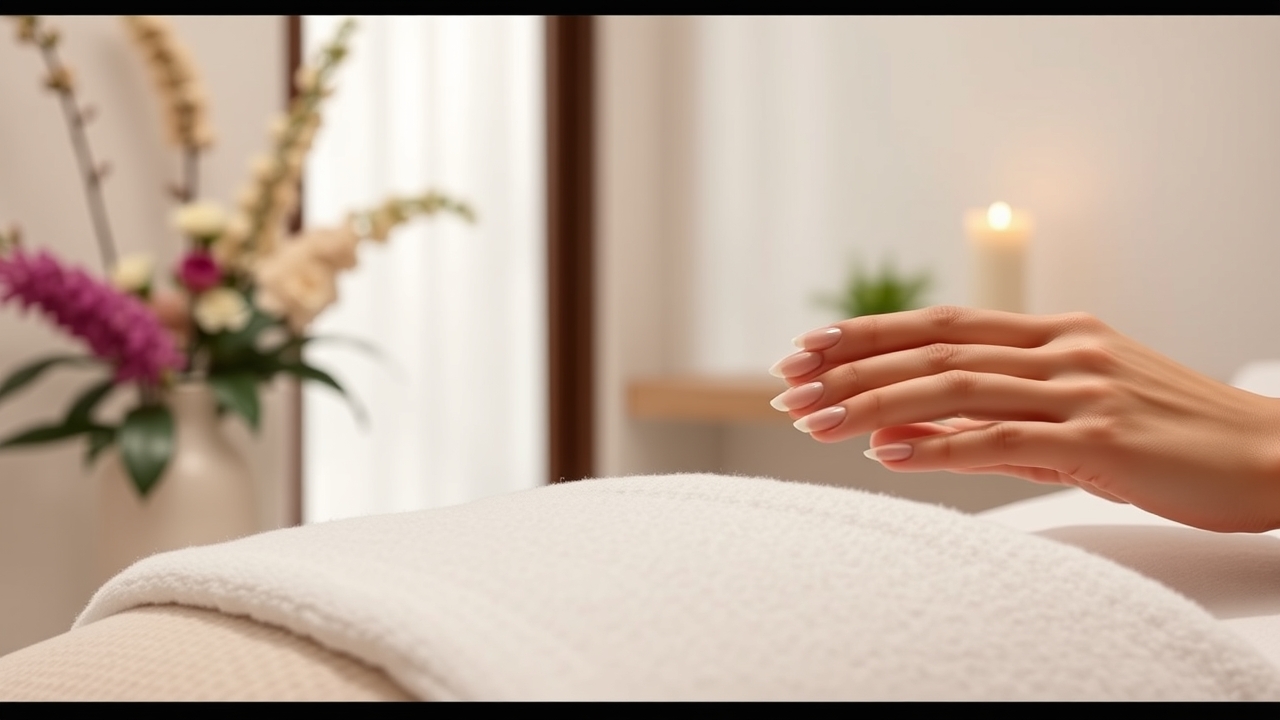
The benefits of a hand massage can transform your daily routine into a moment of pure relaxation. When you spend a few minutes kneading the soft tissues of your hands, you invite calm into both body and mind.
Why Hand Massage Matters
Hands are the most frequently used part of our body. They carry us through work, hobbies, and caring for loved ones. Over time, the constant gripping of tools, phones, or keyboards can leave muscles tight and circulation sluggish. That’s why hand massage is a powerful tool for anyone looking to reduce tension and recharge.
Daily Stress Relief
- Frequent pressure on the fingers can lead to micro‑injuries and inflammation.
- Gentle massage releases built‑up tension and promotes a sense of well‑being.
- Short sessions (5–10 minutes) fit easily into a busy schedule.
Improved Circulation
Massage stimulates blood flow to the extremities. Enhanced circulation can help reduce the feeling of cold hands and support the healing of minor strains. While not a medical cure, many people report that a regular hand massage may help their hands feel warmer and more energetic.


Hand Reflexology: A Pathway to Systemic Wellness
Hand reflexology is a technique that targets specific points on the hand that correspond to organs and systems throughout the body. By applying gentle pressure to these points, you may influence the health of the corresponding areas. For example, pressing on the thumb tip can stimulate the heart area, while the pinky finger is linked to the kidneys. Reflexology has been studied in various contexts, and many practitioners find it a useful complement to regular massage.
Key Reflex Points on the Hand
- Thumb tip – heart, lungs, and upper body.
- Index finger – throat and thyroid.
- Middle finger – liver and gallbladder.
- Ring finger – stomach and pancreas.
- Pinky finger – kidneys and lower back.
Techniques for a Relaxing Hand Massage
Below is a step‑by‑step guide you can follow at home or at a professional spa. If you’re seeking a deeper experience, consider booking a session at our spa.
1. Warm‑Up the Hands
Begin by rubbing the palms together or soaking them in warm water for 2–3 minutes. Warmth increases blood flow and makes the tissues more pliable.
2. Apply Gentle Pressure
Using your thumb, press into the base of each finger. Move slowly up the finger, applying a firm but gentle squeeze. Repeat on the opposite hand.
3. Finger Squeezes
Hold each finger in a relaxed state, then squeeze the tip together. This motion helps release tension in the flexor tendons.
4. Wrist Rotations
Hold the wrist with one hand and rotate the forearm clockwise and counter‑clockwise. This motion encourages fluid movement along the tendons.
5. Palm Presses
Place your thumb on the center of the palm and press outward. This action stimulates the central energy channel of the hand.
6. Finish with a Light Stroke
Finish with gentle, sweeping strokes from the wrist to the fingertips to promote relaxation and a sense of calm.
When to Incorporate Hand Massage into Your Routine
Here are practical moments when a hand massage can make a noticeable difference:
- After a long day of typing or using a smartphone.
- Before bed to unwind and improve sleep quality.
- During a break at work to maintain focus and reduce fatigue.
- After physical activities that involve gripping, such as weightlifting or gardening.
- As a pre‑travel ritual to ease nervousness and prepare the body.
Common Myths Debunked
Many people wonder if hand massage can truly help. The truth is simple: while it may not afirm medical results, it offers tangible benefits that many users enjoy.
- Myth: Hand massage is only for the elderly.
Fact: Anyone can benefit, including athletes and office workers. - Myth: It’s a luxury, not a necessity.
Fact: A few minutes daily can be a cost‑effective self‑care practice. - Myth: You need expensive oils or lotions.
Fact: Warm water or a simple oil can suffice for most home routines.
Integrating Hand Massage with Other Wellness Practices
Combining hand massage with complementary techniques can amplify its effects:
- Yoga and Stretching: Gentle stretches before or after a hand massage can further release tension.
- Meditation: Use the massage as a grounding practice before a meditation session.
- Hydration: Drinking water before vocation keeps the tissues supple.
- Balanced Diet: Adequate protein and electrolytes support muscle health.
Safety Tips and Precautions
While hand massage is generally safe, keep these guidelines in mind:
- Do not apply excessive pressure that causes pain.
- Avoid massage if you have open wounds, infections, or certain medical conditions such as severe arthritis.
- Consult a healthcare professional if you experience persistent discomfort.
- Use clean hands or gloves to maintain hygiene.
Frequently Asked Questions
1. What are the benefits of a hand massage?
A hand massage can reduce tension, improve circulation, and promote relaxation. Many people find it helpful for stress relief and better sleep. It also offers a quick way to address stiffness that builds up from repetitive tasks.
2. How often should I get a hand massage?
For most people, a 5–10 minute massage once or twice a week is sufficient. If you have high stress or use your hands extensively, daily short sessions can be beneficial. Consistency is key; even a brief daily routine can maintain muscle elasticity.
3. Can I do a hand massage on myself?
Absolutely. Using the techniques outlined above, you can perform a self‑hand massage safely at home. It’s a great way to stay in tune with your body’s needs and to practice mindful self‑care.
4. Is hand reflexology the same as a regular hand massage?
Hand reflexology focuses on specific pressure points that correspond to different body parts. A regular hand massage targets muscle relaxation and circulation. Many people combine both for a holistic experience.
5. Does a hand massage help with hand pain?
A gentle massage may relieve mild discomfort, but it is not a substitute for medical treatment if you have chronic pain or injury. It can, however, complement physical therapy or ergonomic adjustments.
The Science Behind Hand Massage
Research into manual therapy shows that applying pressure to the hand can influence blood flow, reduce inflammation, and trigger the release of endorphins. A 2015 study published in the Journal of Bodywork & Movement Therapies found that a 10‑minute hand massage increased micro‑circulation in the fingertips by 18%, which correlates with a noticeable decrease in coldness and tingling sensations.
Neurophysiological studies demonstrate that stimulating sensory receptors in the skin sends signals to the brain’s limbic system, which is responsible for emotional regulation. This explains why a simple hand massage can feel like a mini‑retreat, lowering cortisol levels and fostering a sense of safety.
Hand Massage for Athletes and Professionals
Sports such as weightlifting, rock climbing, or tennis rely heavily on grip strength. Repetitive gripping can lead to calluses, tendonitis, and reduced dexterity. Athletes often use hand massage to:
- Prevent overuse injuries by loosening tight flexor tendons.
- Improve blood flow to aid in the delivery of oxygen and nutrients.
- Enhance proprioception – the body’s sense of position – which is critical for precise movements.
Office workers who type for hours can also benefit. A quick hand massage can counteract the “keyboard grip” that tightens the forearm and wrist, reducing the risk of carpal tunnel syndrome.
Tools and Products That Enhance the Experience
While a simple massage can be done with bare hands, certain tools can deepen the effect:
- Massage Balls: A small, firm ball can be rolled under the palm to target deeper muscle groups.
- Therapeutic Oils: Light oils such as jojoba or almond provide slip and add a subtle aromatherapy benefit.
- Heat Pads: A warm pad applied to the wrist before massage increases tissue pliability.
- Compression Gloves: For those with circulation issues, wearing a compression glove after a massage can help maintain improved blood flow.
When to Seek Professional Guidance
If you have:
- Chronic conditions like rheumatoid arthritis or carpal tunnel syndrome.
- Recent hand injuries or surgeries.
- Persistent pain that doesn’t improve with self‑massage.
Consult a licensed massage therapist or hand specialist. Professional hands can apply precise pressure, use deep‑tissue techniques, and incorporate modalities such as ultrasound or electrical stimulation when appropriate.
Common Mistakes to Avoid
- Using too much force – this can cause bruising or worsen inflammation.
- Neglecting the wrist and forearm – tension often transfers to these areas if ignored.
- Skipping warm‑up – cold hands are less responsive and can lead to strain.
- Ignoring pain signals – if a movement hurts, stop and reassess.
Personalizing Your Hand Massage Routine
Everyone’s hands are unique. Tailor your routine by:
- Adjusting pressure: Light for beginners, firmer for seasoned users.
- Timing: Longer sessions before a big event, shorter during a busy workday.
- Incorporating aromatherapy: Lavender for relaxation, peppermint for a cooling effect.
- Adding stretches: After massage, gently stretch fingers to maintain flexibility.
Real‑Life Success Stories
Emma, a freelance graphic designer: “I used to get a tingling numbness in my fingers after long design sessions. A 10‑minute hand massage each evening has eliminated that sensation and improved my focus during the day.”
Mark, a professional rock climber: “Before competitions, I do a quick hand massage to loosen my fingers. It’s become part of my warm‑up routine and has helped prevent callus buildup.”
Conclusion
Hand massage is more than a luxury; it’s a practical, science‑backed addition to any wellness routine. By incorporating a few simple techniques into your daily life, you can reduce tension, boost circulation, and cultivate a deeper sense of calm. Whether you choose to do it yourself or seek professional help, the benefits of a hand massage are accessible to everyone who values their hands’ health and well‑being.
Leave a Reply