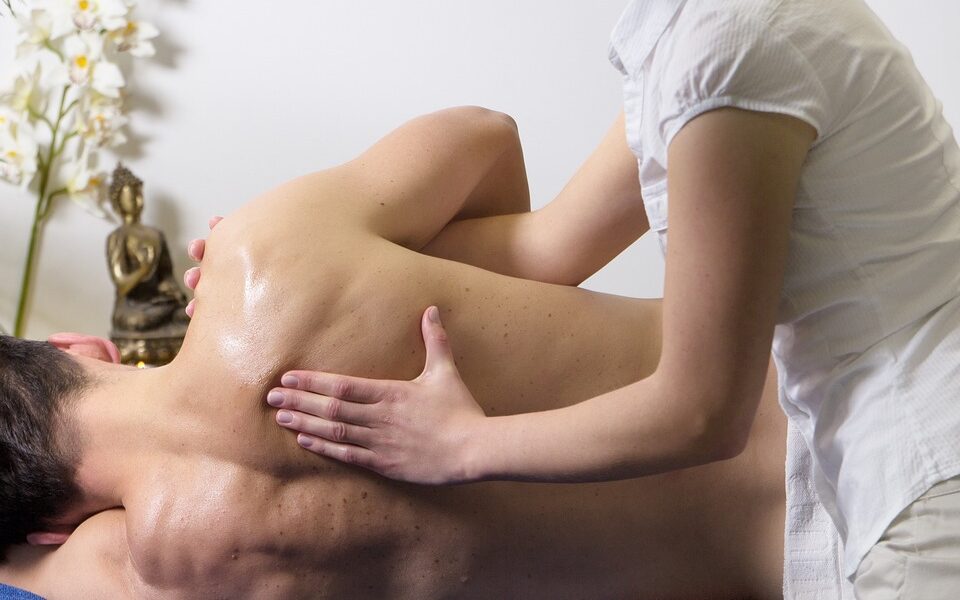
If you have ever felt that a standard 60-minute massage simply wasn’t enough to quiet your mind or release the tension in your shoulders, you aren’t alone. In the world of high-end wellness, the “four-hands massage”—also known as a tandem massage—is often touted as the pinnacle of relaxation. But with a higher price tag and a more intense sensory experience, many spa-goers wonder if it is truly a transformative therapy or just an expensive novelty.
A four-hands massage involves two therapists working on one client simultaneously. While it might sound like a simple doubling of a standard session, the physiological and psychological effects are uniquely profound. This guide explores the mechanics of tandem bodywork, the science behind its effectiveness, and whether it represents a smart investment for your wellness routine.


What Exactly is a Four-Hands Massage?
During a four-hands massage, two licensed massage therapists coordinate their movements to perform a choreographed sequence on your body. Typically, they use a “mirrored” approach, where one therapist works on the left side of the body while the other mirrors those exact movements on the right. Alternatively, they may use an asymmetrical approach, where one focuses on the upper body while the other addresses the lower limbs.
The goal is to provide a seamless, flowing experience that makes it difficult for the recipient to distinguish which hand belongs to which therapist. This level of synchronization requires a high degree of skill and communication between the practitioners, making it a specialty service in many luxury spas and therapeutic clinics.
The Skincare Science of “Neurological Overload”
The primary reason a four-hands massage feels different from a traditional massage is rooted in how our brains process touch. During a standard massage, your brain can easily follow the therapist’s hands, anticipating the next move and staying “alert” to the sensation.
When four hands are involved, the brain is flooded with tactile input from multiple directions at once. This creates a state of “neurological overload.” Because the mind cannot track both sets of hands simultaneously, it eventually “gives up” trying to control the experience. This leads to a deeper state of relaxation and a faster transition into the parasympathetic nervous system (the “rest and digest” state) than most people experience during a single-therapist session.
The Core Benefits of Tandem Therapy
Beyond the novelty, four-hands massage offers several practical therapeutic benefits that justify its place in a wellness plan:
- Increased Circulation: With double the contact, blood flow is stimulated across a larger surface area of the body simultaneously, helping to flush toxins and deliver oxygen to tissues more efficiently.
- Accelerated Muscle Recovery: For athletes or those with chronic tension, covering the entire body in half the time—or with double the intensity—can help break down fascia and knots more effectively.
- Deep Mental Decompression: Because the brain cannot easily predict the rhythm of two therapists, it is forced into a meditative state, making this an excellent choice for those with high stress or overactive minds.
- Time Efficiency: You can essentially receive two hours’ worth of bodywork in a single 60-minute session.
Cost Comparison: Is It Worth the Premium?
Naturally, because you are paying for the time and expertise of two professionals, a four-hands massage is significantly more expensive than a standard treatment. Generally, you can expect to pay double the price of a traditional Swedish or deep-tissue massage, plus a slightly higher premium for the coordination involved.
| Feature | Standard Massage (1 Therapist) | Four-Hands Massage (2 Therapists) |
|---|---|---|
| Average Price | $80 – $150 per hour | $180 – $350 per hour |
| Sensory Impact | Focused and predictable | Immersive and overwhelming (in a good way) |
| Pace | Steady | Dynamic and fluid |
| Best For | Specific injury work or general relaxation | Extreme stress, burnout, or luxury indulgence |
Pros and Cons of Four-Hands Massage
The Pros
- Unmatched Relaxation: The “brain hack” of multiple touchpoints leads to a level of bliss that a single therapist often cannot achieve.
- Full-Body Symmetry: Mirrored movements ensure that both sides of the body receive identical pressure and attention at the exact same time.
The Cons
- Price Point: It is not a budget-friendly option for most people.
- Can Be Overwhelming: For those who are sensitive to touch or have sensory processing issues, the amount of input can feel “too much” rather than relaxing.
- Less Focused Work: If you have a specific injury (like a torn rotator cuff) that needs 45 minutes of dedicated attention, a standard massage is usually better than a tandem one.
Expert Tips for Your First Session
To ensure you get the most value out of this premium service, keep these professional tips in mind:
1. Communicate Your Pressure Preference Clearly
Because there are two people working on you, it is vital to communicate your pressure needs to both. One therapist might naturally have a heavier hand than the other. Don’t be afraid to ask for adjustments so the experience remains balanced.
2. Focus on Your Breath
The first 10 minutes of a four-hands massage can feel busy as your brain tries to keep up. Focus on deep, rhythmic breathing to help your nervous system surrender to the sensation.
3. Budget for Gratuity
Remember that you are being served by two professionals. In the wellness industry, it is standard practice to tip each therapist individually (usually 15-20% of the total cost divided between them, or 15-20% of the single-therapist rate for each).
4. Choose Your Spa Wisely
A successful four-hands massage requires chemistry between the therapists. Look for established spas or clinics that specifically advertise this service, as their staff likely practices together regularly to maintain synchronization.
Frequently Asked Questions
Is a four-hands massage awkward?
For most people, it isn’t awkward once the session begins. Professional therapists are trained to maintain your modesty and focus entirely on the technical flow of the massage. The choreographed nature of the movements makes the presence of two people feel like one continuous wave of pressure.
Do I have to talk during the massage?
It is actually recommended that you stay quiet during a four-hands massage. Because the experience is designed to induce a deep meditative state, talking can pull you out of the “flow” and make it harder for the therapists to stay in sync with your body’s responses.
Is it better than a regular massage?
“Better” is subjective. If your goal is to address a specific medical issue or chronic knot, a single therapist may provide more targeted work. However, if your goal is total mental “reset” and a unique sensory experience, a four-hands massage is widely considered superior.
Can I request specific areas of focus?
Yes. You can request that one therapist focuses on your feet while the other works on your scalp, or any other combination. However, the true magic of the four-hands technique is usually found in the synchronized, full-body strokes.
The Bottom Line: Is It Worth It?
If you are looking for a routine maintenance massage, a four-hands session may be an unnecessary expense. However, if you are struggling with high levels of stress, feel “stuck” in your head, or simply want to experience the absolute peak of spa therapy, a four-hands massage is absolutely worth the investment. It is less of a standard treatment and more of a sensory journey that offers a rare opportunity for the modern mind to truly switch off.
—
Topic: Four hands massage benefits and cost
Tags: #FourHands #Massage #Worth #Benefits #Costs #Expert #Tips