When you slip into a pair of soft socks after a long day, the gentle pressure on your feet can feel like a reset button for your whole body. That sensation isn’t accidental – it’s the result of a practice that maps the body’s organs onto the soles and palms, known as reflexology. In this guide we’ll walk through the foot and hand charts, show you how to locate the key points, and explain the science behind the relief many people experience.
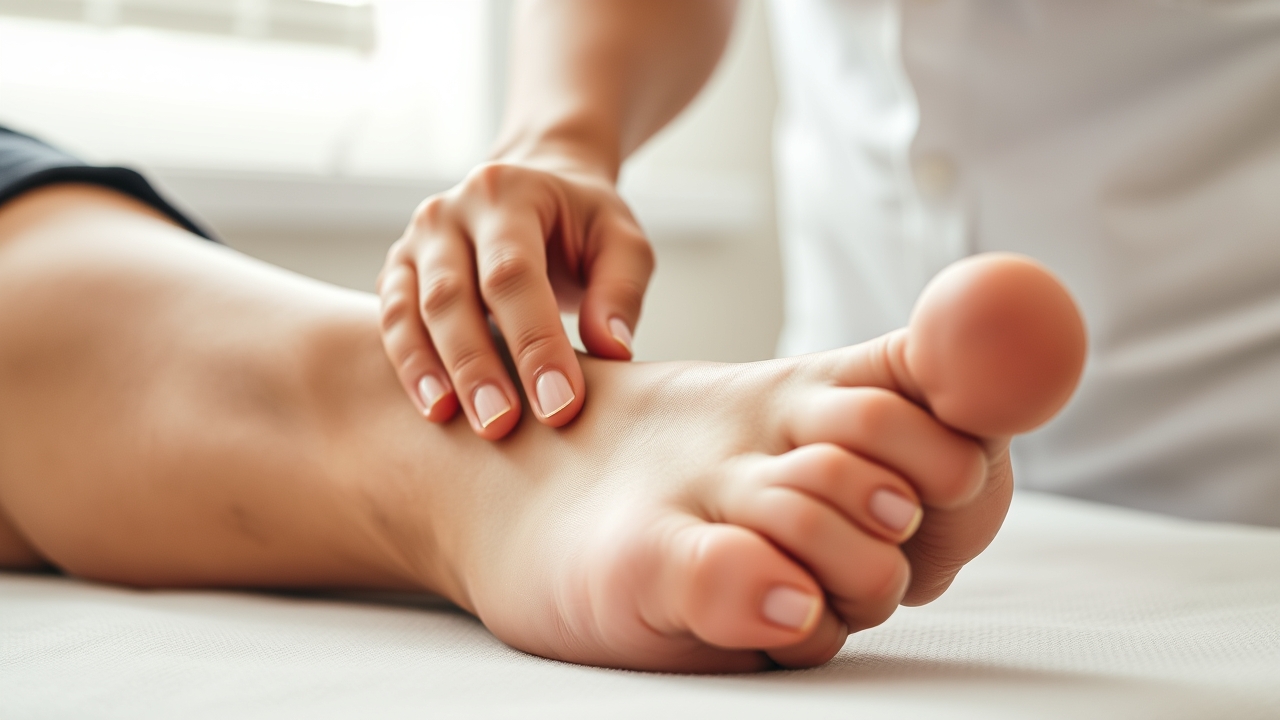
What Exactly is Reflexology?
Reflexology is a non‑invasive complementary therapy that uses targeted pressure to stimulate specific zones on the feet, hands, and ears. The goal is not to treat a medical condition directly but to support the body’s innate healing mechanisms by easing energy blockages and encouraging circulation. Think of it as a gentle tuning fork that brings harmony back to the nervous system.
The Foot Reflexology Chart: Mapping the Body
Imagine your foot as a living mirror of your entire body. The toes represent the head and neck; the ball of the foot mirrors the chest and lungs; the arch corresponds to the digestive tract; and the heel anchors the lower back and pelvis. Below is a quick reference to help you navigate this map.


The Toe Zone (Head and Neck)
- Big Toe: Linked to the brain, pituitary gland, and sinuses. Light pressure here can clear mental fog or sinus congestion.
- Smaller Toes: Correspond to the eyes, ears, and cervical spine. A gentle massage can ease tension headaches.
The Ball of the Foot (Chest and Heart)
This area houses the lungs and heart reflexes. A slow, thumb‑walking motion along the ball can help clients who feel tightness in the chest to breathe deeper and calm an overactive heart rate.
The Arch (Digestive System)
The arch is a powerhouse for digestion. Reflex points for the stomach, liver, gallbladder, and intestines cluster here. When you feel a “crunchy” texture during a massage, it often signals a buildup of uric acid or calcium crystals—a marker of congestion in the corresponding organ.
The Heel (Lower Body)
The heel anchors the pelvic region, sciatic nerve, and lower back. For those who spend all day standing, focusing on the heel can release tension in the lumbar spine and improve posture.
Hand Reflexology Points for On-the-Go Relief
Hands are a convenient alternative to feet, especially in a boardroom or on a plane. The mapping is similar but scaled down. The thumb tip mirrors the head; the palm aligns with the solar plexus and stomach; the fingers correspond to the arms and shoulders.
Try this quick technique: use your opposite thumb to “walk” across the palm, starting at the base and moving toward the pinky. This motion encourages blood flow and signals the nervous system to relax.
The Proven Reflexology Benefits
Many people wonder why reflexology is worth the time. Unlike a standard Swedish massage that targets muscles, reflexology works at the systemic level, balancing the entire body.
Stress Reduction and Anxiety
By stimulating the parasympathetic nervous system, reflexology lowers cortisol levels. Clients often report a profound sense of calm and even fall asleep during a session because the body finally feels safe enough to let go of the fight‑or‑flight response.
Improved Circulation
Pressure on the extremities encourages blood to flow back toward the heart, delivering oxygen and nutrients more efficiently. The lymphatic system also gets a boost, helping to flush metabolic waste.
Better Sleep Quality
Reduced anxiety and physical tension translate to faster sleep onset and deeper rest. Targeting the big toe’s pineal gland point can help regulate melatonin production, the hormone that governs sleep cycles.
How to Perform a Pressure Point Massage at Home
You don’t need a certification to feel the benefits of a pressure point massage. Follow this step‑by‑step routine for a quick, effective session.
- Set the Scene: Choose a quiet corner, dim the lights, and pour a small amount of coconut or almond oil onto your hands to reduce friction.
- Warm Up: Start with long, sweeping strokes from the toes to the ankle. This effleurage relaxes the tissues and prepares the foot for deeper work.
- Thumb‑Walk Technique: Imagine your thumb as a tiny foot walking across the sole. Use small, deliberate steps to hit every reflex point.
- Target Specific Areas: Need headache relief? Spend two minutes on the big toe. Feeling bloated? Focus on the arch for a few minutes.
- Finish with a Stretch: Gently rotate the ankle and flex the toes to release any residual tension.
For a professional touch, book a session at a luxury nail and massage spa where therapists blend deep tissue work with reflexology expertise.
Deep Dive: The Science of the Sensation
Many practitioners describe a “grittiness” under the skin during a session. Scientifically, this can be calcium or uric acid deposits. From a reflexology perspective, these crystals are markers of where the body is holding onto stress or where an organ is under‑working. The gentle pressure is believed to help the organ function more efficiently, even though it’s not a medical cure.
Comparing Reflexology to Other Modalities
It’s useful to distinguish reflexology from similar practices. Acupressure focuses on meridians that run the entire body, whereas reflexology zeroes in on the mapped zones of the feet, hands, and ears. A pedicure massage is primarily aesthetic, while reflexology is a deliberate therapeutic sequence that requires deep knowledge of the foot reflexology chart.
Safety and Precautions
Reflexology is safe for most people, but it’s not appropriate for everyone. Avoid heavy pressure if you have DVT, severe edema, foot fractures, or active infections. Pregnant women can benefit from reflexology, but they should seek a practitioner trained in prenatal reflexology to avoid overstimulation of certain points.
Want to learn about the historical roots of reflexology? Check out Wikipedia’s overview of reflexology, which traces its origins from ancient Egypt and China to modern wellness centers.
Integrating Reflexology into a Wellness Routine
Reflexology shines when it becomes a habit, not a one‑off fix. Try these micro‑sessions throughout your day:
- Keep a tennis ball under your feet at your desk and roll it along the arch for a quick pressure point massage.
- After a session, drink a glass of water to help flush out the toxins released during the massage.
- Pair reflexology with mindful breathing or gentle yoga to amplify the benefits.
Common Misconceptions About Reflexology
Two myths often surface:
- Reflexology can diagnose diseases. That’s not true. Reflexologists are not doctors; they identify tension zones and help the body move toward balance.
- More pain equals more detox. Painful pressure is a sign of overstimulation. Healing happens when the body is relaxed, not tense.
Summary of Key Pressure Points
Here’s a quick reference for your next self‑care session:
- Big Toe: Head, brain, pituitary gland.
- Ball of Foot: Lungs, heart, chest.
- Inner Arch: Kidney, liver, stomach.
- Outer Edge of Foot: Shoulders, hips, lower back.
- Heel: Pelvic region, sciatic nerve.
- Center of Palm: Solar plexus (stress relief).
- Thumb Pad: Mental focus and headache relief.
Frequently Asked Questions
How do reflexology pressure points explained simply differ from acupuncture?
Reflexology applies hands or fingers to specific zones on the feet and hands, while acupuncture inserts thin needles along meridians across the body. Reflexology is non‑invasive and relies on pressure, not needles.
Can I use a foot reflexology chart for self‑treatment?
Yes. A chart can guide your self‑massage, helping you identify which foot areas correspond to the tension you feel. It won’t replace a professional’s skill, but it’s a powerful tool for home care.
How often should I get a reflexology massage?
For chronic stress or tension, once a week or every two weeks is ideal. For general maintenance, a monthly session usually suffices to keep the body’s energy pathways clear.
Are there any immediate side effects after a session?
Some people experience a “healing crisis,” such as mild fatigue or increased urination, as the body detoxifies. Drinking plenty of water afterward supports this process.
Can reflexology help with insomnia?
It can. By reducing overall stress and stimulating endocrine points, reflexology helps the mind and body transition into a restful state, making falling asleep easier.
Where can I learn more about reflexology benefits?
Explore our reflexology benefits page for deeper insights into how this ancient practice supports modern wellness.
Leave a Reply