How to soften rough feet at home can be achieved with simple, natural steps that make your feet feel smooth and comfortable.
How to soften rough feet at home: A Step‑by‑Step Guide
Rough, calloused feet are a common issue, especially for those who spend long hours on their feet or wear tight footwear. While professional pedicures can provide quick relief, you can also master a foot care routine that keeps your soles silky without leaving the house. Below, we’ll walk through proven methods to soften feet at home and give you a clear path to smooth heels.
1. Start with a Gentle Exfoliation
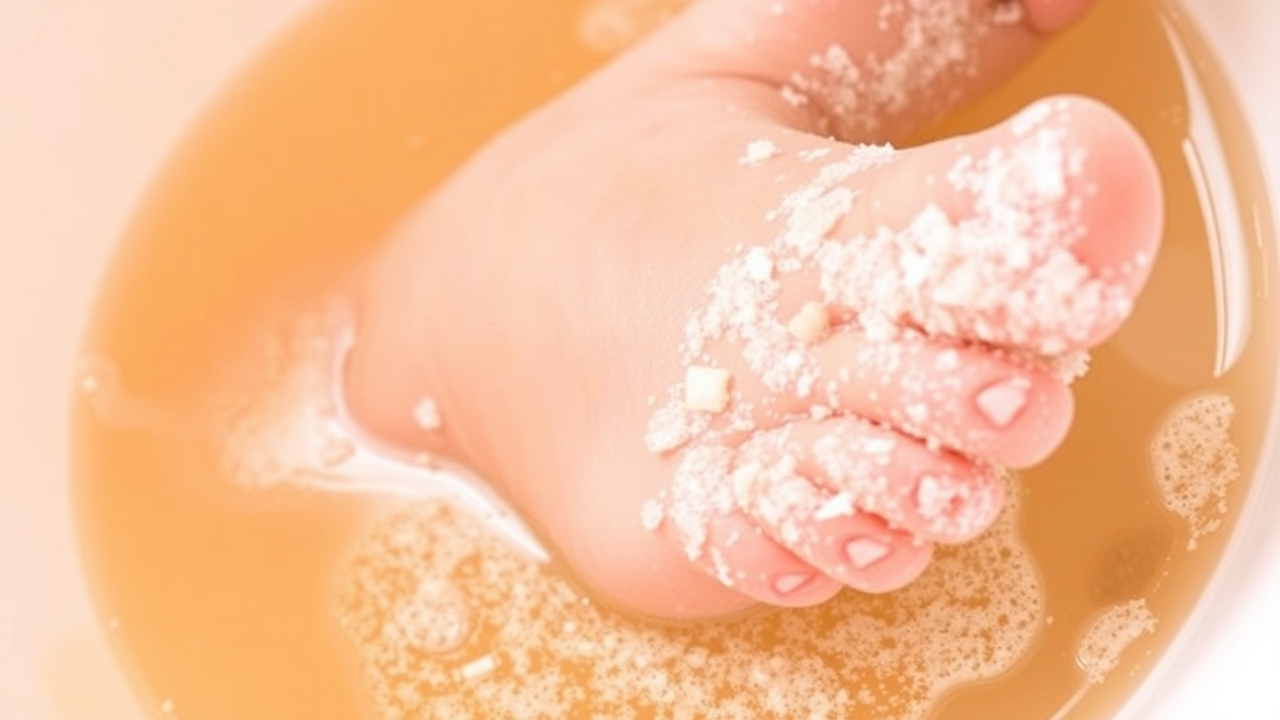
Exfoliation removes dead skin cells that accumulate on the heels and balls of the feet. Begin by soaking your feet in a warm, soapy bath for 10–15 minutes. Add a tablespoon of sea salt or a gentle foot scrub if you have one. The warmth loosens thresholds, and the salt softens the skin, making the next steps more effective.


- Use a pumice stone or a foot file after soaking to gently buff away any remaining rough patches.
- Be careful not to press too hard; you want to soften, not damage.
2. Apply a Rich Moisturizer
Once the skin feels velvety, pat it dry and apply a thick layer of foot cream or natural oil (such as almond or coconut). Massage the lotion in circular motions, focusing on the heels and arches. The occlusive barrier locks in moisture, gummy fibers, and prevents dryness from re‑emerging.
- For an extra boost, wrap your feet in a warm towel after moisturizing.
- Leave the wrap on for 15–20 minutes to allow the cream to penetrate fully.
3. Treat Cracked Heels with a Fix
Cracked heels can be painful and unsightly. A cracked heels fix starts with the same exfoliation and moisturizing routine but adds a few targeted steps:
- Apply a thin layer of petroleum jelly over the cracks before bed.
- Cover the area with a non‑stick bandage to keep the jelly in place.
- In the morning, wash the bandage off and re‑apply moisturizer.
Consistency is key—repeat this process nightly for 3–4 weeks, and you’ll notice the cracks soften and fade.
4. Maintain with a Regular Foot Care Routine
To keep the results long‑term, incorporate the following habits into your weekly schedule:
- Exfoliate once a week to stay smooth.
- Apply moisturizer daily, especially after showers.
- Wear breathable, supportive footwear whenever possible.
- Keep your feet clean and dry to prevent fungal infections.
5. Lifestyle Tweaks for Smooth Heels
Beyond topical care, your lifestyle influences foot health:
- Hydration: Drink at least eight glasses of water a day. Proper hydration keeps skin supple.
- Nutrition: Foods rich in omega‑3 fatty acids, vitamin E, and zinc support skin regeneration.
- Exercise: Light calf stretches and walking help maintain circulation.
- Rest: Give your feet a break from high‑impact activities when possible.
6. When to Seek Professional Help
While a home routine works for most people, some conditions—such as severe calluses, persistent pain, or fungal infections—may require a professional. A qualified podiatrist can offer treatments that complement your at‑home regimen inducing faster results.
7. Quick FAQ for Immediate Answers
- How to soften rough feet at home quickly? Use a warm foot bath, exfoliate with a pumice stone, then apply a thick moisturizer and wrap in a towel for 20 minutes.
- What is the best way to fix cracked heels? Apply petroleum jelly, cover with a bandage overnight, and moisturize in the morning.
- Can I use a foot file at home? Yes, but use it gently to avoid over‑thinning the skin.
- How often should I exfoliate my feet? Once a week is sufficient for most people.
Remember, consistency is the secret to soften feet at home. With regular care, you’ll enjoy smooth, healthy heels that feel great under any footwear.
Understanding the Causes of Rough Feet
Before you dive into treatments, it helps to know why rough feet develop. Common culprits include:
- Pressure and friction: Standing or walking for extended periods, especially in ill‑fitting shoes, creates calluses.
- Significant weight gain or loss: Sudden changes can alter foot mechanics, leading to skin irritation.
- Dry skin: Low humidity, hot showers, and harsh soaps strip natural oils.
- Medical conditions: Diabetes, eczema, and psoriasis can all manifest as rough, cracked skin.
Identifying the root cause allows you to tailor your routine—whether it’s simply swapping to a supportive shoe or adding a richer moisturizer.
Choosing the Right Tools and Products
Not all foot care tools are created equal. Here’s a quick guide to help you pick the best:
Pumice Stones vs. Foot Files
- Pumice stone: Soft, natural stone that gently removes dead skin. Ideal for beginners.
- Electric foot file: Offers a more aggressive exfoliation; use with caution.
Moisturizers: Creams, Oils, and Balms
- Foot creams: Typically contain urea or lactic acid for deeper penetration.
- Natural oils: Almond, coconut, and olive oil are excellent for sealing in moisture.
- Butters: Shea and cocoa butter provide a thick, protective layer.
DIY vs. Commercial Products
While commercial brands offer convenience, a homemade scrub can be just as effective:
- Combine 1 cup of coarse sea salt with ½ cup of coconut oil and a few drops of essential oil (e.g., tea tree for antifungal properties).
- Store in a sealed jar; use 1–2 tablespoons each wash.
DIY Foot Masks and Natural Remedies
Beyond regular moisturizing, a weekly mask can give your feet an extra boost. Here are two simple recipes:
Oatmeal & Honey Mask
- Grind ½ cup of rolled oats into a fine powder.
- Mix with 2 tablespoons of honey and 1 tablespoon of warm water.
- Apply to feet, focusing on dry patches, and leave for 15 minutes.
- Rinse with lukewarm water and pat dry.
Oats soothe inflammation, while honey’s natural antibacterial properties help prevent infections.
Salt & Olive Oil Soak
- Fill a basin with warm water and add 2–3 tablespoons of sea salt.
- Drop in 2 tablespoons of extra‑virgin olive oil.
- Soak feet for 20 minutes, then exfoliate lightly.
- Finish with a thick moisturizer.
This soak softens calluses and replenishes essential fatty acids.
Footwear Choices & Foot Hygiene
Even the best home routine can be undermined by poor footwear. Keep these tips in mind:
- Opt for breathable materials: Cotton, canvas, or natural leather allow moisture to escape.
- Check fit: Your toes should have at least a thumb’s width of space.
- Rotate shoes: Give each pair a day to air out and dry completely.
- Use foot powders: Talc or cornstarch powders reduce moisture buildup.
Advanced Treatments: Callus Removal, Heel Pads, and Professional Ancillary Care
When home care isn’t enough, consider these options:
Over‑the‑Counter Callus Removers
- Look for products containing 10–15% urea or salicylic acid.
- Apply in thin layers and wrap with a bandage for 24 hours.
- Repeat once a week until the callus softens.
Heel Pads and Cushions
These can redistribute pressure and reduce friction. Choose silicone or gel pads for maximum comfort.
Podiatrist Visits
Regular check‑ups every 6–12 months can catch early signs of foot problems and provide professional callus removal, orthotic fitting, and infection treatment.
Preventive Measures: Daily Habits
Long‑term smooth feet require consistent habits:
- Wash feet daily with mild soap and lukewarm water.
- Dry thoroughly, especially between toes.
- Apply a thin layer of moisturizer immediately after drying.
- Wear socks made of breathable fibers like bamboo or merino wool.
- Do a quick foot check each morning for any new cracks or redness.
Common Mistakes to Avoid
Even well‑meaning routines can backfire if you’re not careful:
- Over‑exfoliating: This can thin the skin and lead to ingrown toenails.
- Using hot water: Hot showers strip oils and can worsen dryness.
- Ignoring calluses: Letting them grow can cause pain and infection.
- Skipping moisturizer: The skin’s barrier repairs only when it’s kept hydrated.
Full FAQ – 5 Essential Questions
- Q1: How often should I moisturize my feet? A: Daily, especially after washing or bathing.
- Q2: Can I use a foot file on sensitive skin? A: Yes, but start with a gentle file and reduce pressure.
- Q3: What’s the best natural remedy for cracked heels? A: A mixture of coconut oil and honey, applied nightly.
- Q4: When should I see a podiatrist? A: If you notice persistent pain, thick calluses, or signs of infection.
- Q5: How can I prevent future roughness? A: Keep feet hydrated, wear proper footwear, and maintain a weekly exfoliation routine.
With these steps, you’ll have a comprehensive, sustainable routine that keeps your feet soft, healthy, and ready for any occasion.
For more detailed information on foot health, you can read about Foot Care on Wikipedia. If you’d like to experience professional relaxation, our spa offers soothing treatments that complement your home routine.
Leave a Reply