Dry hands are a silent reminder that the skin barrier is under siege. Whether it’s the relentless splash of dishwater, the sting of winter air, or the harshness of cleaning chemicals, the result is the same: a rough, sandpaper‑like texture that’s both uncomfortable and unsightly. The good news is that most of the damage is reversible with a consistent, science‑backed routine.
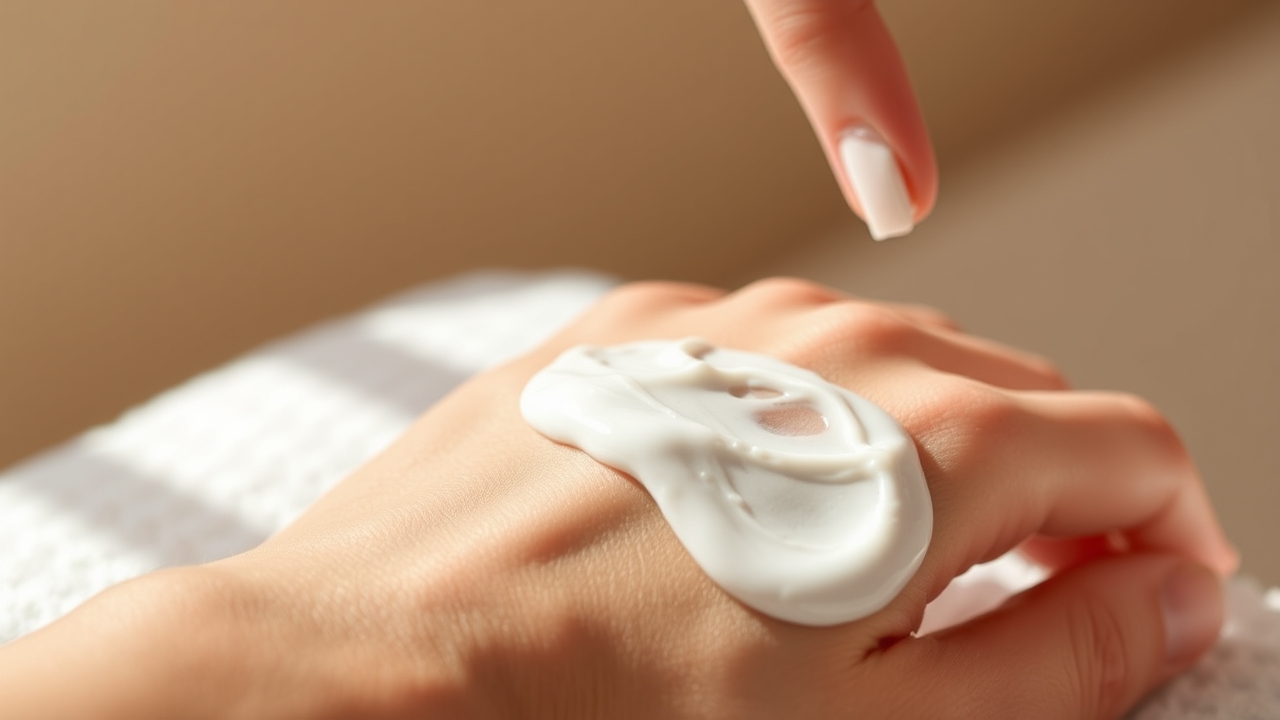
Why Your Hands Dry Out
The skin on the back of your hand is intentionally thin—about 0.5 mm—so it can flex easily. That thinness also means fewer sebaceous glands, so it can’t lock in moisture as effectively as the palms. Add to that frequent washing, hot water, and irritants, and the barrier begins to crumble. When the barrier is breached, transepidermal water loss (TEWL) spikes, and the skin feels tight and itchy before cracks appear. In dry climates or inside air‑conditioned offices, the air itself acts like a vacuum, pulling moisture out of the skin.
A Structured Daily Routine
Think of hand care like a mini skincare regimen for your face—clean, hydrate, protect. The key is repetition, not occasional indulgence.


Step 1: Gentle Cleansing
Skip the antibacterial soaps that strip natural lipids. Opt for a fragrance‑free, glycerin‑rich cleanser or a mild hand wash with aloe. Lukewarm water is your best friend; hot water can dissolve the tiny oil droplets that keep skin supple.
Step 2: Moisturize Quickly
The window for maximum absorption is the first three minutes after washing. Your skin is still damp, so the moisturizer can lock in that residual water. Waiting until the skin is dry is like trying to seal a leak after the water has already run out.
Step 3: Layer Smartly
Start with a lightweight serum—look for hyaluronic acid or glycerin—to draw water into the epidermis. Follow with a richer cream or balm that contains occlusives such as shea butter, beeswax, or petrolatum. This two‑step approach mimics a face routine but is tailored for the tougher skin on your hands.
Intensive Strategies for Severe Dryness
When a basic lotion no longer does the job, it’s time for a deeper intervention.
- Overnight Glove Therapy: After applying a thick, fragrance‑free ointment, slip on 100 % cotton gloves and sleep. The gloves trap heat and humidity, allowing the ingredients to penetrate deeper without rubbing off.
- Alcohol‑Free Sanitizers: If you must use an alcohol‑based hand sanitizer, wait until it’s fully evaporated before applying a small amount of hand cream. Alcohol can pull water from the skin, making it feel drier.
- Gentle Exfoliation: Once a week, use a sugar scrub or a soft loofah to remove flaky surface skin. Avoid harsh micro‑beads that can create micro‑tears.
- Hydration from Within: Drink at least 2 liters of water daily. Adequate hydration keeps skin cells plump and more receptive to topical products.
Ingredient Breakdown: What to Look For
Effective hand creams combine three layers of action: humectants, emollients, and occlusives.
Humectants
These are water‑pulling agents. Glycerin, hyaluronic acid, and urea pull moisture from the air and deeper skin layers, giving an immediate “plumped” feel.
Emollients
They smooth the skin’s surface by filling gaps between cells. Ceramides, squalane, and plant oils such as jojoba or almond oil provide that silky glide.
Occlusives
These create a physical shield that prevents water from escaping. Petrolatum, lanolin, and beeswax are the heavy hitters for stubborn dryness. They may feel greasy, but they’re essential for sealing the barrier.
For a deeper dive into how the skin barrier works, check out the Wikipedia page on the skin barrier.
Environmental Protection
Even the best routine can be undermined by external factors. Protecting your hands from the outside world is non‑negotiable.
Gloves for Household Tasks
Dish soap and cleaning agents are engineered to strip grease—and they strip skin oils too. Rubber gloves are a quick fix that can cut dryness by more than half.
Sun Protection
The back of the hand is thin and vulnerable to UV damage, which accelerates collagen loss. Apply a broad‑spectrum SPF 30+ every morning and reapply after swimming or sweating.
Humidify Your Space
Winter heating can drop indoor humidity to 20 %. A humidifier that keeps RH between 40–50 % keeps the skin barrier from cracking.
Professional Treatments That Work
When home care stalls, a professional touch can jump‑start recovery. A paraffin wax bath, for instance, uses heat to open pores and infuse waxes deep into the skin. Massage boosts blood flow, delivering oxygen and nutrients that accelerate healing. For a full‑body hand pampering, visit a professional nail and massage spa—the kind of deep hydration that over‑the‑counter creams can’t match.
Tailor Your Routine to Your Lifestyle
Different jobs expose hands to different aggressors. Adjust your care accordingly.
Healthcare Workers & Frequent Washers
With 20+ hand washes a day, a quick‑absorbing, ceramide‑rich lotion is essential. Keep a small tube in every pocket and reapply after each wash to replace lost lipids.
Outdoor & Gardening Workers
Cold, wind, and soil grit demand a heavy‑duty balm. Lanolin or petrolatum provides a protective barrier you can apply 15 minutes before stepping outside.
Office Professionals
Air‑conditioned desks dry out skin quickly. A lightweight, pleasantly scented lotion works as a mindful break—apply at least three times a day to keep the barrier intact.
Common Mistakes (and How to Avoid Them)
- Over‑exfoliating: Removing dead skin is beneficial, but doing it more than twice a week can strip the remaining protective layer and aggravate dryness.
- Fragrance on cracked skin: Perfumes and dyes can irritate open pores, leading to contact dermatitis and more inflammation.
- Soaking without immediate moisturization: Prolonged soaking can actually draw moisture out of the skin via osmosis if you don’t follow up with a barrier‑forming cream.
Quick‑Start Checklist
- Swap to a soap‑free, glycerin‑rich cleanser.
- Moisturize within 3 minutes of washing.
- Use a product that blends humectants and occlusives.
- Wear rubber gloves during household chores.
- Apply SPF 30+ daily to the backs of your hands.
- Try the cotton glove overnight treatment once a week.
- Drink 8 glasses of water a day.
Frequently Asked Questions
How do I care for dry hands during winter?
Boost occlusives—think shea butter or petroleum jelly—to shield against cold and indoor heating. Avoid hot showers, use a humidifier, and always wear gloves outdoors to keep the barrier intact.
Can I use facial moisturizer on my hands?
Facial creams are lightweight and non‑comedogenic, which is great for the face but often insufficient for hands. They lack the heavy occlusives needed to lock in moisture on the tougher skin of the hands.
How long until I notice improvement?
Consistent application after each wash and an overnight glove treatment typically show texture changes within 3–7 days. Restoring a severely damaged barrier can take several weeks.
Are natural oils better than store‑bought lotions?
Natural oils (coconut, olive, almond) are excellent emollients but lack humectants. Pair a hydrating lotion first, then seal with a natural oil for optimal results.
Why does lotion feel ineffective?
It’s often a humectant without an occlusive. The lotion pulls water in but doesn’t prevent it from evaporating. Layer a thicker balm or ointment on top to lock in the moisture.
Leave a Reply