How to create a relaxing spa atmosphere at home is more than just a trend; it is a personal ritual that can transform any space into a sanctuary. When you ask how to create a relaxing spa atmosphere at home, you are looking for a set of deliberate choices that calm the mind, soothe the body, and invite a sense of renewal. Below you will find a comprehensive guide that blends practical design, sensory detail, and self‑care rituals, all organized into clear sections so you can build your own oasis step by step.
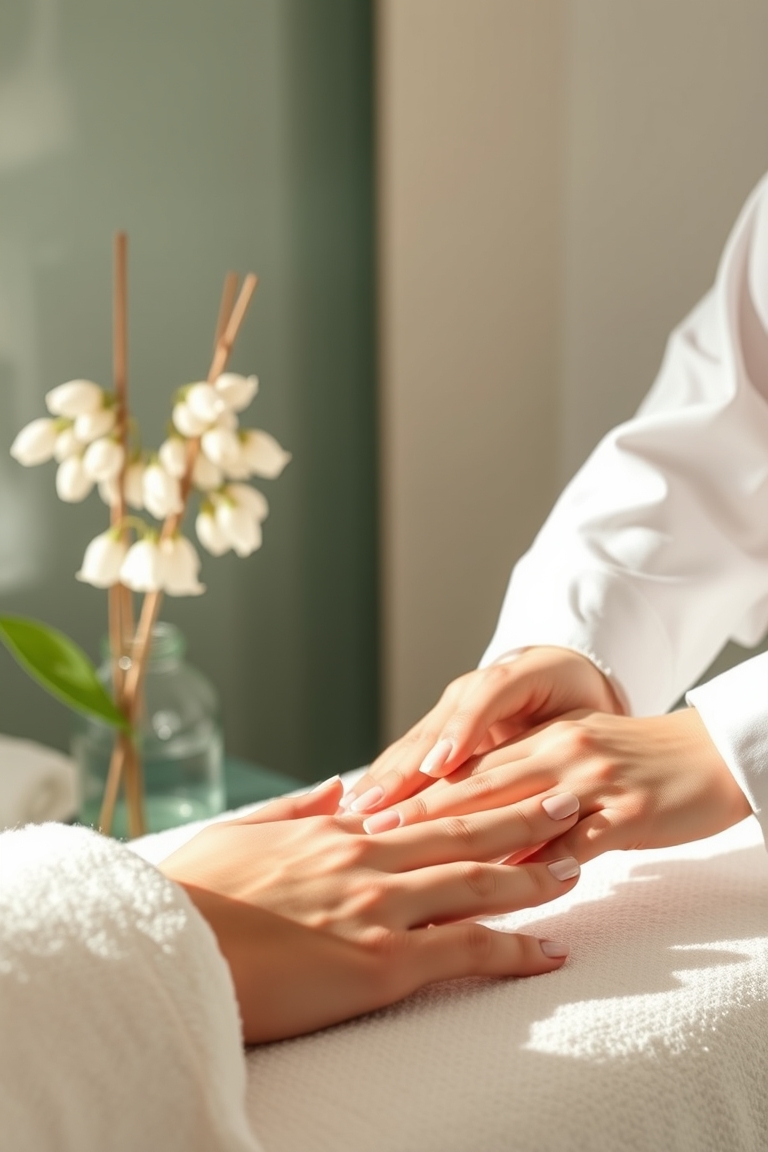
How to Create a Relaxing Spa Atmosphere at Home: The Core Principles
Every spa, whether a luxury resort or a simple home corner, relies on four pillars: space, light, scent, and sound. These pillars work together to create a cohesive environment that feels intentional and restorative. By focusing on each pillar, you can design a space that feels like a retreat, even on a tight budget.
Define Your Space
Choose a room or a dedicated corner that can be set aside for quiet time. A bathroom, a spare bedroom, or a small alcove in the living room can all serve as a spa sanctuary. The key is to isolate this area from everyday noise, clutter, and distractions. If you live in a small apartment, consider a fold‑away screen or a set of curtains that can be drawn when you need privacy.


Lighting
Lighting is the backbone of any spa environment. Soft, warm light mimics the gentle glow of a sunset and signals the body to relax. Replace harsh overhead fixtures with:
- Table lamps with fabric shades
- LED strip lights in warm‑white or amber tones
- Battery‑powered tealight candles or electric candle sets for safety
- Dimmer switches that allow you to adjust brightness from 100% to 10%
For a touch of luxury, add a small chandelier with frosted glass or a cluster of fairy lights. The goal is to create a layered glow that can be dimmed for meditation or brightened for a quick shower.
Scent
Our noses are powerful triggers for memory and emotion. Choose scents that promote calmness and clarity. Popular choices include lavender, chamomile, bergamot, sandalwood, and eucalyptus. You can introduce scent through:
- Essential oil diffusers (ultrasonic or nebulizing) – add 3–5 drops per 100ml of water
- Reed diffusers – great for continuous fragrance without a flame
- Scented candles – choose soy or beeswax for a cleaner burn
- Herb sachets or dried flower bundles placed in a small bowl
Remember to keep the scent subtle; a faint aroma is more soothing than a strong, overpowering perfume.
Sound
Sound shapes the emotional tone of a space. A spa atmosphere thrives on gentle, low‑frequency sounds. Options include:
- Nature playlists featuring rain, ocean waves, or forest sounds
- Ambient music with slow tempo and minimal percussion
- White‑noise machines or a small Bluetooth speaker with adjustable volume
- Guided meditation recordings for a structured relaxation routine
Position the speaker so the sound is evenly distributed, and keep the volume low enough to mask household noises but high enough to create a sense of presence.
Texture & Color
Texture invites touch, while color influences mood. Use soft textures like plush towels, silky robes, and smooth stone tiles. Pair these with a muted palette: soft blues, sage greens, pale greys, and earthy neutrals. These hues lower heart rate and encourage calm. Avoid bright, saturated colors that can feel stimulating.
How to Create a Relaxing Spa Atmosphere at Home: Step‑by‑Step Setup
Transforming a space into a spa sanctuary involves a series of practical steps. Below is a comprehensive guide that covers everything from decluttering to arranging your final touches.
Declutter & Clean
- Remove all non‑essential items that can distract or create visual noise.
- Wipe down surfaces with a gentle, fragrance‑free cleaner.
- Wash towels, sheets, and any fabric items in a mild detergent to keep them fresh.
- Ensure the floor is free of debris; consider a natural fiber rug for added softness.
Layout & Furnishings
Furniture should support movement and relaxation. Consider the following pieces:
- A low‑profile chaise or recliner for lounging.
- A small, sturdy table for a cup of herbal tea or a book.
- A bamboo or wooden bath mat that adds a natural element.
- Wall‑mounted shelves for essential oils, candles, and decorative stones.
Arrange furniture to create a clear path for movement. The centerpiece can be a small bathtub, a shower stall, or a simple sink with a basin for a facial ritual.
Hydration & Hydrology
Water is a core element of any spa. If you have a bathtub, fill it with warm water and add a few drops of essential oil or a splash of Epsom salts. If you lack a tub, create a mini‑hydrotherapy station:
- Use a large basin or a plastic tub for a foot soak.
- Place a small bowl of warm water for a hand soak.
- Keep a pitcher of cool water nearby for hydration.
These simple water rituals can be surprisingly restorative.
Self‑Care Rituals
Integrate a routine that moves from preparation to release:
- Start with a gentle shower or wash to cleanse the body.
- Apply a body lotion or oil, focusing on pulse points.
- Use a facial mask or cleanser for a quick facial cleanse.
- Finish with a meditation or breathing exercise for 5–10 minutes.
Each step should be slow and mindful, allowing you to stay present in the moment.
Maintenance & Refresh
Keep your spa space fresh with regular upkeep:
- Wash linens weekly and replace them with new, clean fabrics.
- Replace candles or diffusers every 1–2 weeks to maintain scent quality.
- Clean surfaces with a natural, fragrance‑free cleanser to avoid irritation.
- Rotate decorative items (e.g., stones, plants) to keep the space visually interesting.
FAQ: How to Create a Relaxing Spa Atmosphere at Home
1. What is the most important element of a home spa?
The overall atmosphere is built on a combination of light, scent, sound, and texture. However, lighting often has the biggest impact because it sets the emotional tone and can be easily adjusted.
2. Can I create a spa atmosphere in a tiny apartment?
Absolutely. Use a fold‑away screen, a small rug, and a few strategically placed candles to create a private retreat. Even a single corner can feel like a spa when the right elements are in place.
3. Are there budget‑friendly ways to add scent?
Yes. DIY essential oil blends in a small diffuser, dried herbs in a sachet, or a simple jar of fresh citrus peels can provide a subtle, cost‑effective fragrance.
4. How often should I replace my spa linens?
Wash linens weekly and replace them every 6–8 weeks, or sooner if they become worn or stained. Fresh linens keep the space feeling clean and inviting.
5. What type of music is best for a spa setting?
Slow‑tempo, low‑frequency ambient tracks work best. Look for playlists labeled “spa music,” “meditation,” or “nature sounds.” Keep the volume low to avoid overstimulation.
For further reading, see related references on Wikipedia.
Leave a Reply