The benefits of a spa manicure extend far beyond a polished look, offering a holistic experience that nurtures both nails and mind.
What is a spa manicure?
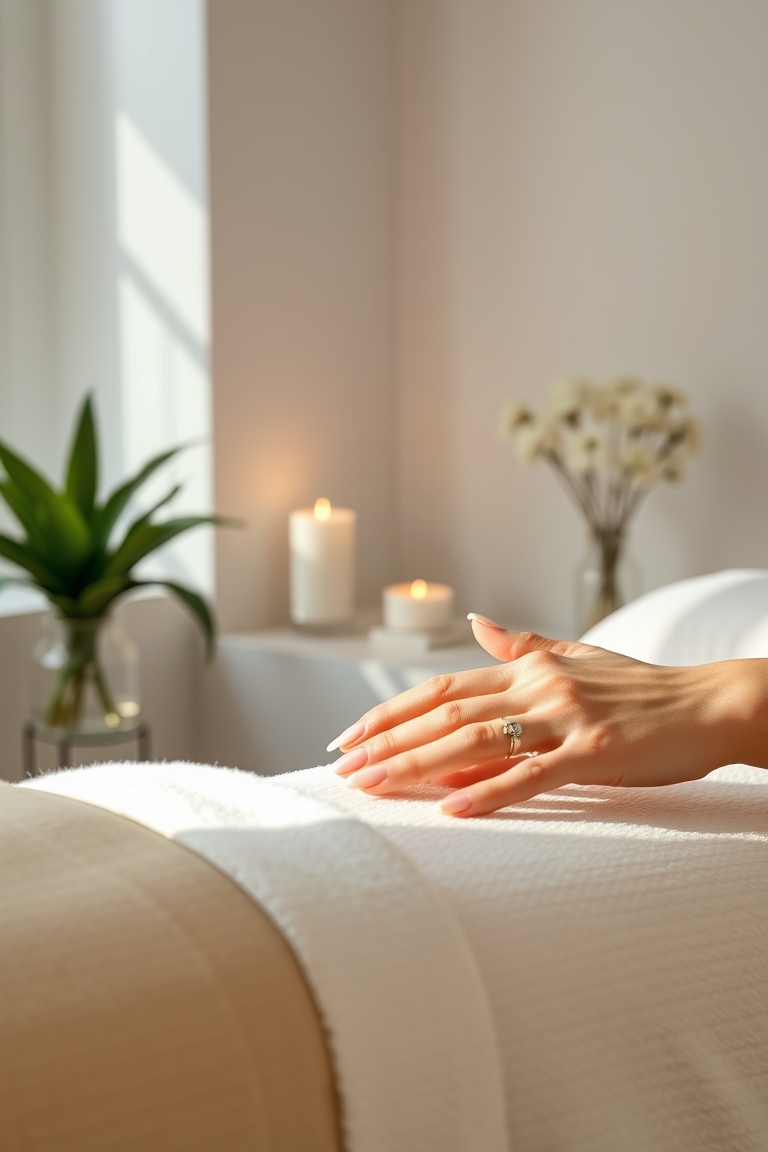
A spa manicure is a comprehensive hand‑care ritual that goes well beyond the basic filing and polish of a regular manicure. It typically includes a gentle hand massage, exfoliation, a nourishing mask, and a final polish or gel application. The goal is to hydrate, soothe, and strengthen the skin and nails while providing a moment of calm in a busy day.
Key Components of a Spa Manicure
- Exfoliation: Removing dead skin cells to reveal smoother skin.
- Hand Massage: Stimulating circulation and easing tension in the forearms and shoulders.
- Nourishing Mask: Infusing the hands with vitamins, oils, and antioxidants.
- Hydrating Treatment: Applying rich moisturizers or paraffin wax to lock in moisture.
- Polish or Gel Finish: Adding a long‑lasting coat that protects the nails.
Spa manicure vs regular
When you compare a spa manicure to a standard one, the differences become clear. A regular manicure focuses mainly on the nail surface and quick polish application. It often skips the deeper skin work and relaxation benefits that a spa manicure delivers. The spa version may take 60‑90 minutes, whereas a basic manicure usually lasts 20‑30 minutes. The extra time allows for a more thorough treatment that can improve nail strength, reduce dryness, and even help with minor skin concerns like calluses or roughness.


Luxury manicure benefits
Luxury manicure benefits stem from the combination of therapeutic techniques and premium products. Here are the most compelling reasons to choose a spa manicure:
- Improved Nail Health: Regular exfoliation and moisturization can reduce brittleness and breakage.
- Enhanced Circulation: Massaging the hands stimulates blood flow, which may help with cold fingers and reduced skin elasticity.
- Stress Relief: The gentle touch and calming environment can lower cortisol levels and promote relaxation.
- Hydration Boost: Deep‑penetrating masks and paraffin treatments lock in moisture for up to 24 hours.
- Longer‑Lasting Polish: A well‑prepared nail bed reduces chipping and extends the life of the finish.
Pampering nails for everyday confidence
It’s not just about looking good; pampering nails can influence how you feel. A well‑maintained set of hands can boost confidence in social settings, improve your posture when typing or using a phone, and even reduce the risk of accidental cuts or infections by keeping cuticles healthy. Many people report that they feel more relaxed and centered after a spa manicure, and that calmness can carry over into other areas of life.
Choosing the Right Spa Manicure for Your Skin Type
Not every spa manicure is created equal. Depending on your skin type—dry, oily, or sensitive—you’ll want to tailor the treatment to get the best results.
Dry Skin
- Opt for a paraffin wax session; the heat and oil help penetrate deeply.
- Choose masks rich in shea butter, jojoba oil, or vitamin E.
- Follow up with a thick hand cream that contains glycerin.
Oily Skin
- Skip heavy waxes; instead, use a gentle, oil‑free exfoliant.
- Look for masks that contain tea tree or witch hazel to reduce excess sebum.
- Finish with a light, non‑greasy moisturizer.
Sensitive Skin
- Ask for fragrance‑free products and a mild, hypoallergenic mask.
- Use a hand massage with light pressure to avoid irritation.
- Aftercare should include a soothing aloe‑gel or chamomile cream.
Common Misconceptions About Spa Manicures
There are a few myths that keep people from trying a spa manicure:
- They’re only for the wealthy: Many salons offer tiered pricing, and a basic spa manicure can start as low as $30.
- They’re time‑consuming: A 45‑minute “express” spa manicure can still deliver exfoliation and massage.
- They’re not necessary if you already have a regular manicure: Even regular manicures benefit from the added hydration and circulation boost.
DIY Spa Manicure at Home: Tips and Tricks
If you’re on a budget or prefer the comfort of home, you can recreate many spa manicure benefits with a few household items.
- Soak your hands: Fill a bowl with warm water, add a tablespoon of sea salt or Epsom salt, and soak for 5–10 minutes.
- Exfoliate: Mix sugar with coconut oil or olive oil to create a scrub. Gently massage for 2–3 minutes.
- Trim and push back cuticles: Use a cuticle push‑tool or a soft wooden stick. Be gentle to avoid cuts.
- Apply a nourishing mask: A simple blend of honey, avocado, and a drop of vitamin E works wonders.
- Massage with oil: Warm a small amount of almond or jojoba oil and massage your palms, fingers, and forearms.
- Finish with a protective coat: Use a clear top coat or a quick‑dry gel kit for a longer lasting finish.
How Spa Manicures Complement Other Spa Treatments
When scheduled alongside a full body massage, facial, or aromatherapy session, a spa manicure enhances the overall experience. The hand massage can relieve tension that often builds up from typing or driving, while the hydrating mask prepares the skin for a facial that requires a clean canvas. Pairing a spa manicure with a hot stone massage can also help the heat penetrate deeper into the skin, amplifying the moisturizing effect.
The Science Behind Spa Manicure Benefits
Research on skin and nail health supports many of the claims made by spa professionals:
- Exfoliation removes keratin buildup: This allows new nail growth to emerge without obstruction.
- Massage increases micro‑circulation: Enhanced blood flow delivers more oxygen and nutrients to the nail matrix.
- Hydrating masks fill the hair‑like strands of the nail plate: This reduces dryness and brittleness.
- Paraffin wax raises skin temperature: The heat opens pores, allowing deeper absorption of moisturizers.
What to Bring and Wear to Your Spa Manicure Appointment
- Comfortable clothing that allows easy access to your hands.
- A small bag with a reusable water bottle to stay hydrated.
- Any personal skincare products you prefer (e.g., a favorite hand cream).
- Optional: a small notebook to jot down product names or recommendations.
Aftercare Tips to Extend the Benefits
To keep your hands looking and feeling great, follow these aftercare steps:
- Apply a rich hand cream at least twice daily.
- Wear gloves while doing chores that involve water or detergents.
- Use a nail strengthener or a clear top coat to protect the polish.
- Rehydrate with a facial mask or a hand mask at home once a week.
- Schedule your next spa manicure every 4–6 weeks for continuous benefits.
What to Expect After a Spa Manicure
After the treatment, you may notice:
- Hands that feel smoother and more supple.
- Reduced dryness or flaking around the nails.
- An overall sense of calm and refreshed skin.
- Polish that remains chip‑free for up to two weeks.
To keep the benefits alive, keep your hands moisturized daily and schedule a follow‑up spa manicure every 4–6 weeks.
Integrating Spa Manicures into Your Wellness Routine
Many people find that a spa manicure fits seamlessly into a broader self‑care schedule. Pair it with a full body massage, a facial, or a yoga session to create a balanced day of relaxation. For those who work at desks, a short 10‑minute hand massage can be an effective break to reduce tension and improve circulation.
Why It’s Worth the Investment
The time and money spent on a spa manicure can pay off in several ways. Not only does it enhance the appearance of your nails, but it also contributes to overall hand health, reduces the likelihood of nail problems, and offers a mental break from daily stressors. In a world where self‑care is increasingly valued, a spa manicure is a small but impactful choice.
FAQs
- Benefits of a spa manicure? A spa manicure offers deep hydration, improved nail strength, better circulation, stress relief, and a longer‑lasting polish finish. The combination of exfoliation, massage, and nourishing masks creates a multi‑layered approach that regular manicures often miss.
- How often should I get a spa manicure? For optimal nail health and skin hydration, schedule a spa manicure every 4–6 weeks. If you have particularly dry or damaged nails, you might benefit from a more frequent, lighter treatment every 3–4 weeks.
- Can a spa manicure help with nail brittleness? Yes, the exfoliation removes dead keratin, the mask infuses moisture, and the final polish protects the nail plate. Over time, these steps reduce brittleness and promote a stronger, more resilient nail surface.
- Are there any risks associated with spa manicures? Minor risks include irritation from strong fragrances or allergic reactions to certain oils or nail products. Discuss any concerns with your technician, and opt for fragrance‑free or hypoallergenic options if you have sensitive skin.
- What makes a spa manicure different from a regular manicure? A spa manicure includes exfoliation, hand massage, a nourishing mask, and often a paraffin treatment, whereas a regular manicure focuses mainly on filing and polish. The added steps provide deeper hydration, circulation benefits, and a longer lasting finish.
To explore more about how a spa manicure can fit into your wellness journey, visit our spa page for detailed services and booking options.
For an authoritative overview of nail care basics, you can read the Manicure entry on Wikipedia.
Leave a Reply