When you think of a manicure, most people picture a quick trim and a swipe of polish. A spa manicure, however, is a full‑body experience for your hands, blending therapeutic techniques with meticulous nail care. The result is a hand that feels as supple as it looks, and the benefits extend far beyond the surface.
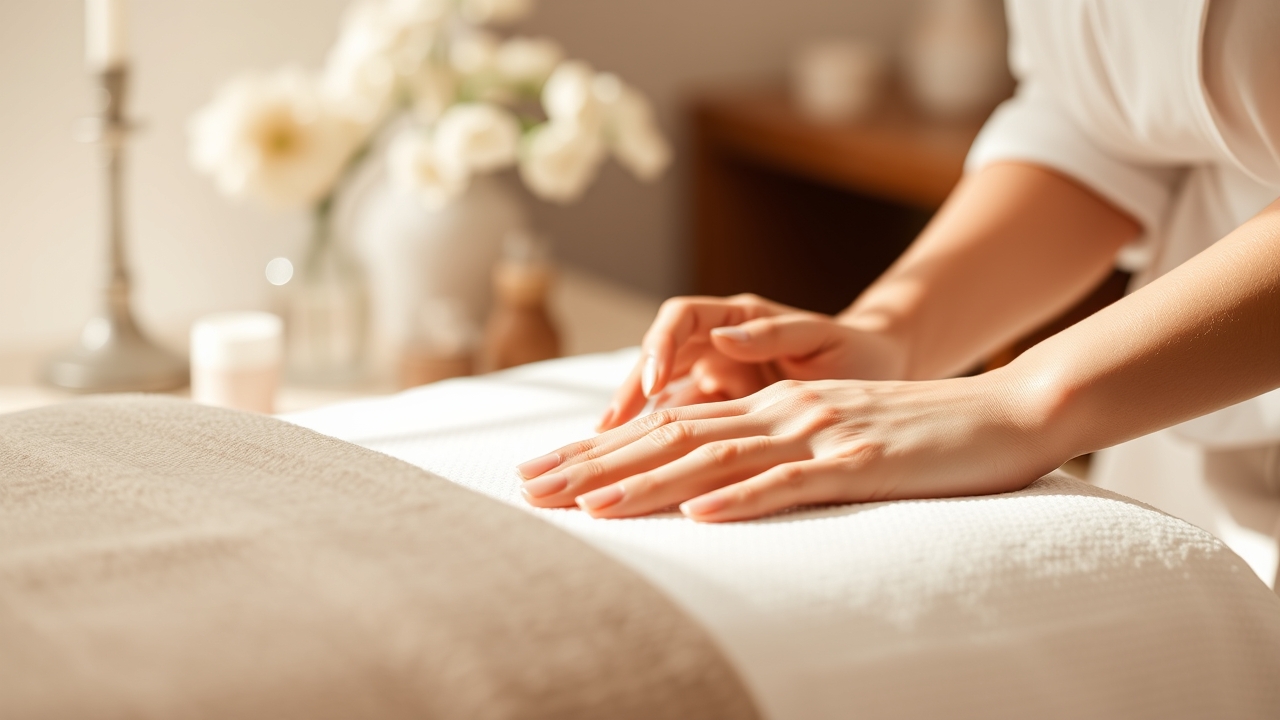
What Is a Spa Manicure?
A spa manicure is a holistic service that pairs traditional nail shaping with spa‑style treatments. The routine usually follows this sequence:
- Gentle cleansing of skin and nails, removing oils and grime.
- Exfoliation of dead skin around the fingertips to smooth the surface.
- Soaking in a warm, nutrient‑rich bath—often infused with essential oils or botanical extracts.
- Professional cuticle care: trimming, softening, and gentle pushing to prevent hangnails.
- Application of a hydrating mask that locks moisture into the skin and nails.
- Hand massage with aromatic oils or silicone rollers to stimulate circulation.
- Polishing: filing, buffing, and a high‑quality base coat, followed by your chosen color and a protective top coat.
- Optional add‑ons such as paraffin wax, LED nail lights, or a final hand wrap.
Each step is designed to nourish, protect, and beautify, turning a simple beauty ritual into a moment of self‑care.


Why the Difference Matters
At first glance, a spa manicure may look like a longer version of a standard one. The truth is, the added layers of exfoliation, massage, and hydration address the underlying health of the skin and nails. With regular manicures, the focus is largely on shape and polish; spa treatments dig deeper, improving circulation, preventing dryness, and reducing the risk of fungal infections.
Spa Manicure vs Regular: The Clear Distinctions
When you compare a spa manicure to a regular one, the differences become evident in both process and outcome:
- Time Investment: A spa manicure typically lasts 60–90 minutes, while a standard manicure takes 20–30 minutes.
- Depth of Care: Spa treatments include exfoliation, massage, and hydrating masks; regular manicures focus mainly on nail shaping and polish.
- Product Quality: Spa services use premium, fragrance‑free lotions and oils, whereas many salons rely on more basic, sometimes harsh products.
- Atmosphere: The spa environment is intentionally calming—dim lighting, soft music, and subtle aromatherapy create a retreat from the day.
- Aftercare Guidance: Spa technicians often provide personalized tips for maintaining moisture, protecting cuticles, and extending the life of the polish.
These distinctions translate into tangible benefits that extend beyond the nails themselves.
Luxury Manicure Benefits: Beyond Pretty Nails
1. Improved Skin Hydration: Hydrating masks and oils lock moisture into the skin, reducing dryness and flakiness. The effect can last for days, giving you smooth hands that feel as good as they look.
2. Enhanced Circulation: The hand massage stimulates blood flow, delivering nutrients to the nails and cuticles. Better circulation encourages stronger, healthier nails over time.
3. Stress Relief: The combination of soothing music, aromatherapy, and gentle massage lowers cortisol levels, providing a mental reset. You leave the spa not only looking polished but feeling refreshed.
4. Prevention of Nail Problems: Moisturized cuticles and buffed nails reduce the risk of hangnails, splits, and fungal growth. Regular maintenance can cut the need for emergency nail care.
5. Personalized Experience: Spa services often include a consultation to tailor the treatment to your skin type and concerns—something rarely offered in standard manicures.
How a Spa Manicure Supports Nail Health
The process of a spa manicure nurtures nail health in several ways:
- Cuticle Care: Gentle removal of excess cuticle skin prevents ingrown nails and reduces bacterial entry points.
- Buffering: Light buffing removes the outermost layer of dead cells, allowing polish to adhere better and reducing the risk of peeling.
- Moisturizing: Oils rich in vitamins E and B complex nourish the nail bed, encouraging stronger growth.
- Hydration: The mask’s ingredients create a protective barrier that keeps nails from becoming brittle.
All these steps work together to give you stronger, more resilient nails that can withstand everyday wear.
Step‑by‑Step: A Typical Spa Manicure Session
- Initial cleansing with a gentle, pH‑balanced cleanser to remove oils and impurities.
- Exfoliation of the fingertips and forearms using a sugar or salt scrub to slough away dead skin.
- Soaking in a warm, nutrient‑rich bath—often infused with lavender or eucalyptus—to soften cuticles.
- Precision cuticle trimming and shaping with sterilized tools, followed by a soothing cuticle massage.
- Application of a hydrating mask (often containing shea butter, jojoba oil, and hyaluronic acid) and a hand wrap for 10–15 minutes.
- Removal of the mask and a gentle hand massage with silicone rollers or a wooden wand to stimulate circulation.
- Polish prep: filing, buffing, and a smooth base coat to seal the nail.
- Application of your chosen color and a protective top coat, with a quick buff to ensure a flawless finish.
- Final hand massage and a short wrap to lock in moisture.
- Professional hand care tips and aftercare advice, including recommended products and daily routines.
Each step is designed to maximize relaxation and nail health, making the experience both indulgent and beneficial.
Why It’s Worth the Extra Time and Cost
Many people wonder, “Is a spa manicure worth the time and money?” The answer is yes, for several reasons:
- Long‑Term Savings: Keeping nails healthy reduces the need for costly repairs and frequent touch‑ups.
- Holistic Wellness: Massage and aromatherapy provide mental benefits that extend beyond the beauty routine.
- Professional Expertise: Trained technicians use advanced techniques that prevent common nail issues such as fungal infections and brittle nails.
- Customization: The treatment can be tailored to specific concerns—whether you need stronger nails, a pop of color, or a soothing hand therapy.
- Confidence Boost: Beautiful, healthy hands can improve self‑esteem and social confidence.
When you view a spa manicure as a form of self‑care rather than a cosmetic expense, it becomes a valuable investment in your overall wellbeing.
Customer Stories: Real Results from Real Hands
Emma, a graphic designer, shares that after her first spa manicure she noticed her hands felt “soft and smooth” and her nails were no longer prone to splitting. She now schedules a spa manicure every six weeks and reports less hand fatigue after long work hours.
Mark, a construction worker, says that the hand massages during spa manicures help him recover from the daily strain of lifting heavy materials. He also appreciates the extra moisturizing step that keeps his nails from cracking.
These stories illustrate how the benefits of a spa manicure can translate into everyday life, improving both physical comfort and confidence.
How to Prepare for Your Spa Manicure
- Hydrate: Drink plenty of water a day before to keep skin hydrated.
- Avoid Harsh Chemicals: Refrain from using nail polish remover or strong detergents for 24 hours before the appointment.
- Communicate Needs: Inform the technician about any nail concerns or allergies.
- Dress Comfortably: Wear loose clothing that won’t restrict hand movement during the massage.
Preparing in advance ensures you get the most out of the spa manicure experience.
Aftercare: Maintaining the Benefits Between Sessions
- Apply a light hand cream or cuticle oil daily.
- Use gloves when washing dishes or cleaning.
- Avoid excessive heat or cold exposure to prevent cracking.
- Keep nails trimmed and file them gently to prevent damage.
- Consider a weekly at‑home hand mask for continued hydration.
These simple habits can prolong the effects of your spa manicure, keeping your hands looking and feeling great.
FAQ
- Benefits of a spa manicure: what can I expect? You can expect smoother skin, stronger nails, improved circulation, and a stress‑relieving hand massage.
- How often should I get a spa manicure? Most experts recommend a spa manicure every 4–6 weeks to maintain optimal nail health and skin hydration.
- Is a spa manicure suitable for all skin types? Yes—technicians tailor the treatment to your skin type, adjusting moisture levels and product choices accordingly.
- Can a spa manicure help with brittle nails? Absolutely. The hydrating mask and cuticle care nourish the nail bed, reducing brittleness over time.
- What should I look for in a good spa manicure service? Look for a licensed technician, high‑quality products, a clean environment, and a personalized approach that addresses your specific concerns.
For more information on nail care and spa treatments, you may refer to the Manicure page on Wikipedia for a broader context. If you’re ready to experience the benefits of a spa manicure, you can explore our spa services and book an appointment that fits your schedule. You might also enjoy learning about
Leave a Reply