Winter hand and foot care is essential for maintaining healthy skin during the harsh winter months. The cold air, low humidity, and indoor heating can strip moisture, leaving skin flaky, cracked, and vulnerable. By following a thoughtful routine, you can librarian‑like protect your skin and enjoy soft, supple hands and feet all season long.
Why Winter Hand and Foot Care Matters
When temperatures drop, the skin’s natural barrier becomes a weaker shield. Sweat glands slow down, and the protectivemenace of the stratum corneum thins. The result is increased transepidermal water loss, which can lead to dryness, itching, and even fissures. Nails, too, become brittle because they rely on the same moisture reservoir to stay flexible.
Common Winter Skin Challenges
- Cracked skin on fingertips and toes.
- Itchy, flaky patches around joints.
- Nail ridges and splits.
- Redness and inflammation from sudden temperature changes.
Winter Hand and Foot Care: The Basics
The foundation of any effective routine is a balanced approach that includes cleansing, exfoliation, moisturization, and protection. Here’s how to structure your daily regimen.


Cleansing
Choose a mild, fragrance‑free cleanser that removes surface dirt without stripping natural oils. Wash hands and feet twice a day—once in the morning and once before bed—to keep skin clean while preserving moisture.
Exfoliation
Gentle exfoliation removes dead skin cells, encouraging new cell turnover. Use a soft scrub or a homemade sugar‑olive oil mix once or twice weekly. Avoid harsh pumice or abrasive tools that can damage the skin’s barrier.
Moisturizing
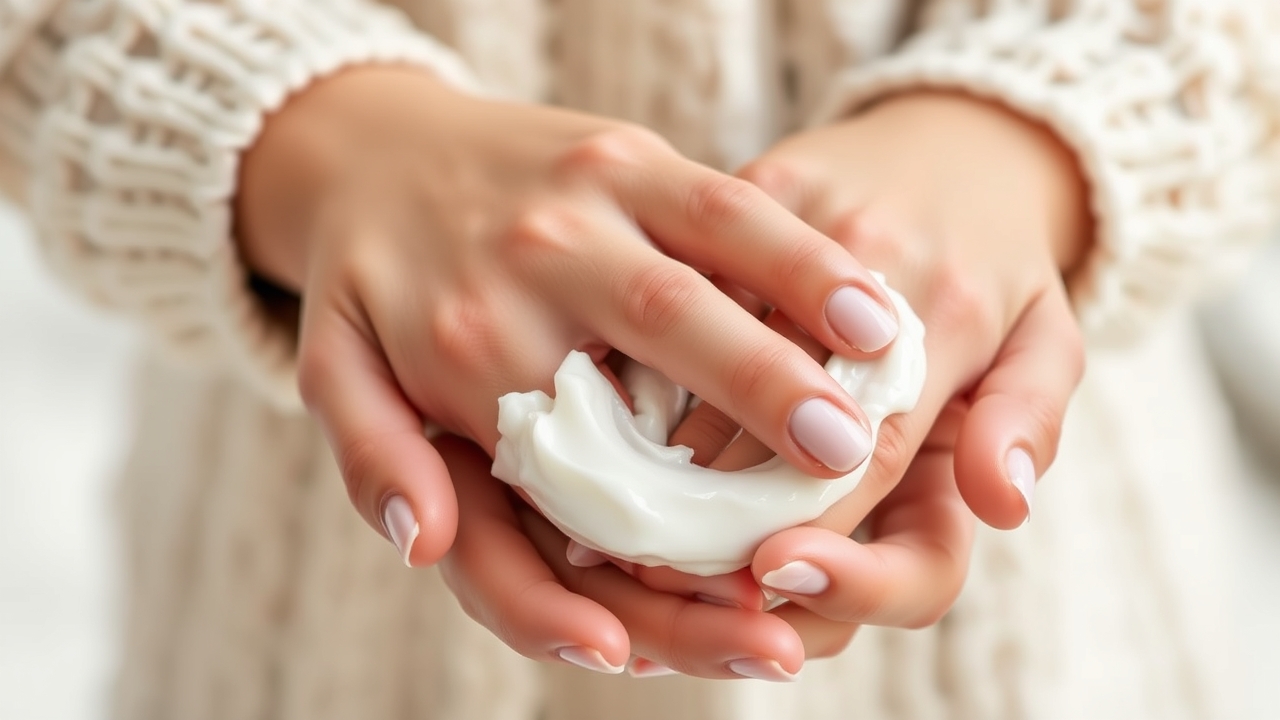
Apply a rich, occlusive cream or ointment immediately after washing. Look for ingredients like ceramides, shea butter, or natural oils that seal in hydration. For hands, a thicker formula works best; for feet, a slightly lighter but still protective layer keeps the skin flexible.
Nail Care
Trim nails straight across, file gently, and keep cuticles soft by applying a light oil. Avoid over‑cutting cuticles, which can introduce bacteria. Regularly buff nails to prevent ridges and split tips.
Advanced Strategies for Winter Hand and Foot Care
Once the basics are in place, you can enhance your routine with targeted treatments that address deeper dryness and protect against the harshest elements.
Hand Masks
Weekly hand masks provide an intensive dose of moisture. Mix a tablespoon of honey with a spoonful of yogurt and apply for 10 minutes before rinsing. Honey’s natural humectant properties draw water into the skin.
Foot Soaks
Soaking feet in warm water always helps, but adding aKin? Add a handful of Epsom salts for mineral relief or a few drops of essential oil for fragrance. Soak for 15 minutes, then pat dry and apply a thick foot cream.
Protective Gloves
When stepping outside, wear gloves that fit snugly but allow finger movement. If you’re doing household chores, consider nitrile or latex gloves to shield hands from detergents.
Footwear Choices
Opt for breathable materials such as leather or canvas that allow skin to breathe. Avoid tight, non‑breathable shoes that trap moisture, which can lead to fungal infections. If you’re hiking or walking outdoors, choose waterproof boots with good arch support.
Creating a Winter Spa Routine
Incorporating a spa‑style routine into your daily life can transform your winter hand and foot care. Below are two options: a home spa and a professional spa visit.
At‑Home Spa
- Warm a bowl of water with a splash of citrus zest or a few drops of lavender oil.
- Immerse hands and feet for 10–15 minutes.
- хам? Gently massage with a nourishing cream, focusing on knuckles and toe seams.
- Finish with a light, alcohol‑free toner to balance pH.
Professional Spa Experience
Many spa centers offer specialized hand and foot treatments—such as deep‑conditioning masks, paraffin wax sessions, and reflexology. These services can be especially beneficial during the winter when your skin needs extra care. Our spa services provide a comprehensive approach to winter wellness.
Cold Weather Foot Care: Lifestyle Tips
Beyond topical treatments, lifestyle choices play a crucial role in maintaining foot health during the cold months.
Hydration
Drink at least eight glasses of water daily. Adequate hydration keeps skin cells supple and reduces the likelihood of dryness.
Diet
Include omega‑3 fatty acids—found in flaxseed, walnuts, and fish—to support skin elasticity. Vitamin C and E also help protect against free‑radical damage.
Humidifiers
Use a room humidifier to add moisture to the air, especially in bedrooms and living spaces. A relative humidity of 40–50% is ideal for skin health.
Dry Winter Skin Hands: Common Mistakes to Avoid
- Using hot water for extended periods.
- Skipping moisturizer after washing.
- Applying fragranced lotions that irritate sensitive skin.
- Neglecting to protect nails during cold weather.
l
FAQ
Winter hand and foot care: What are the best moisturizing ingredients?
Look for ceramides, hyaluronic acid, shea butter, and natural oils like jojoba or almond. These ingredients help lock in moisture and repair the skin barrier.
How often should I exfoliate my feet during winter?
Once or twice a week is sufficient. Over‑exfoliation can irritate the skin and lead to dryness.
Can I use the same lotion for my hands and feet?
It’s possible, but choose a slightly lighter formula for hands and a richer one for feet to accommodate the different skin thicknesses.
What should I do if I develop cracked skin on my toes?
Apply a thick foot cream, cover with a cotton sock, and let it sit overnight. Repeat daily until the skin heals.
Will a humidifier help my winter hand and foot care routine?
Yes, maintaining indoor humidity helps reduce moisture loss from the skin, keeping hands and feet softer.
Leave a Reply