Aromatherapy for relaxation is a powerful tool for easing tension and promoting a sense of calm. Whether you’re a seasoned spa professional or simply looking to unwind after a long day, the right scents can transform a routine into a rejuvenating experience.
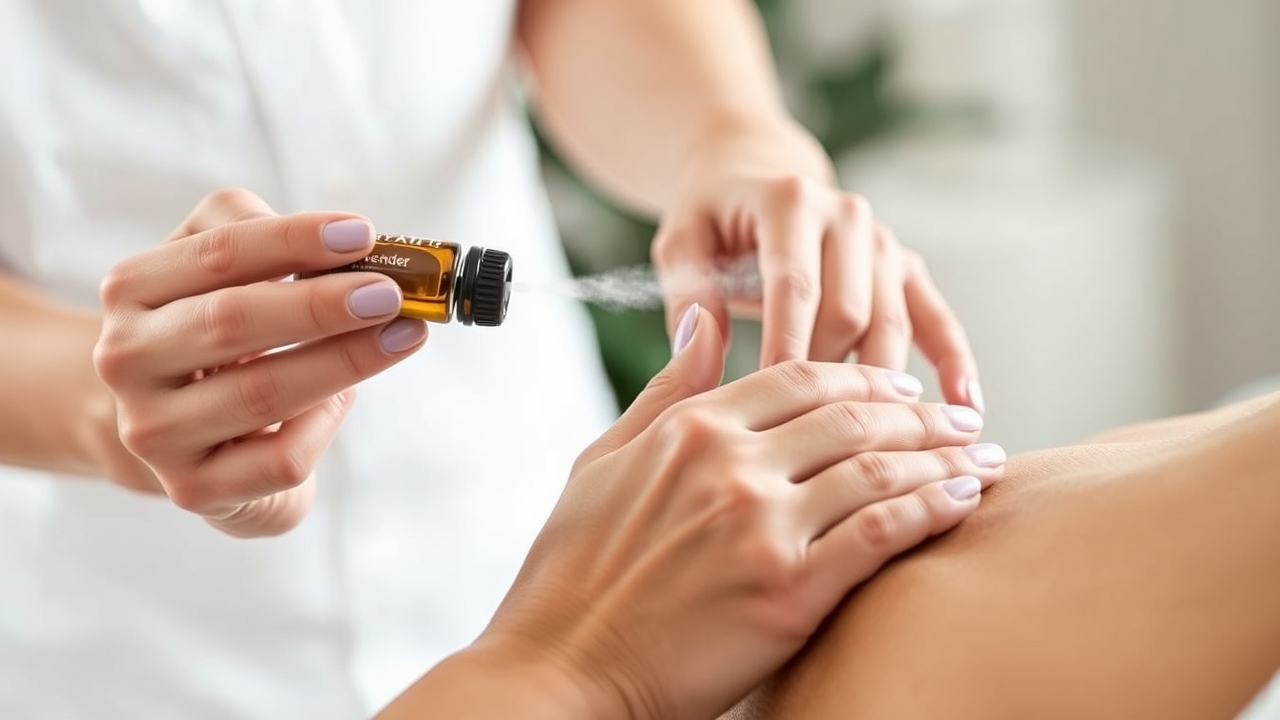
Aromatherapy for Relaxation: The Core Concepts
The practice of using fragrant oils to influence mood and well‑being has roots in ancient cultures, but modern aromatherapy focuses on the sensory pathways that connect scent to the limbic system in the brain. When inhaled, these molecules travel directly to the hippocampus and amygdala, areas that regulate emotions and stress responses. This direct link explains why a single breath of lavender can feel like a breath of fresh air.
Essential Oils for Stress: The Key Players
While many oils offer unique benefits, a handful stand out for their stress‑relieving properties:


- Lavender – Known for its calming aroma, it may reduce heart rate and lower cortisol levels.
- Chamomile – A gentle, floral scent that can ease anxiety and promote sleep.
- Ylang‑Ylang – Its sweet, exotic fragrance may help balance mood and reduce tension.
- Frankincense – Often used in meditation, it can deepen relaxation and foster a sense of grounding.
- Geranium – Balances hormones and offers a refreshing, uplifting scent that can counteract irritability.
These oils can be used individually or blended to create a customized aroma profile that suits your personal preferences or the clientele’s needs.
Aromatherapy Benefits Beyond Relaxation
Improved Sleep
Inhaling certain essential oils before bedtime may help signal the body that it’s time to wind down. A mild, aromatic environment can cue the nervous system to slow its activity, making it easier to fall asleep. Experiment with a diffuser running a 30‑minute cycle of chamomile or lavender before you retire.
Enhanced Focus and Creativity
While the primary goal is relaxation, some scents can also sharpen mental clarity. Peppermint, for instance, may stimulate the mind, making it useful during work or study sessions. Pairing peppermint with a calming base like lavender can provide a balanced mental state.
Calming Scents: How to Choose the Right Aroma
When selecting a scent, consider the environment and the desired outcome. A spa setting often benefits from subtle, layered aromas that don’t overpower the senses. Here are some guidelines:
- Intensity: Start with a low concentration—about 3–5 drops per 100 ml of carrier oil or diffuser water.
- Blend: Combine a top note (e.g., citrus) with a base note (e.g., sandalwood) for depth.
- Duration: Keep the scent in the room for 15–20 minutes, then allow the air to clear before continuing with the treatment.
- Safety: Ensure all oils are skin‑safe and properly diluted if they will contact clients’ skin.
Top 5 Relaxation Oils for Your Spa
- Lavender – Classic calm.
- Chamomile – Gentle, floral.
- Frankincense – Grounding, meditative.
- Ylang‑Ylang – Sweet, exotic.
- Rose – Romantic, soothing.
These oils are versatile and can be used in diffusers, massage oils, or even as a finishing spray after a manicure.
Creating a Signature Aromatherapy Routine
Developing a consistent routine enhances the therapeutic effects. Here’s a step‑by‑step guide you can adapt for home or professional use:
- Set the Scene: Dim the lights, light a scented candle (if safe), and turn on a diffuser with 3–4 drops of your chosen oil blend.
- Inhale Deeply: Take slow, deliberate breaths strong enough to fill the lungs but not so forceful that the scent becomes overpowering.
- Massage or Self‑Care: Apply a diluted blend to the wrists, neck, or feet. Use gentle strokes to stimulate circulation.
- Mindful Reflection: Spend 5–10 minutes in quiet contemplation, allowing the aroma to guide your thoughts toward calm.
- Close with Cool Water: Rinse any residual oil, especially if you’re preparing for a manicure or pedicure session.
Consistency is key: the more regularly you practice aromatherapy for relaxation, the more your body learns to associate the scent with tranquility.
Integrating Aromatherapy into Nail and Spa Services
For nail salons, a subtle diffuser can complement the manicure experience. A light spritz of eucalyptus or peppermint can invigorate clients before a polish change, while lavender or chamomile can soothe after a full nail treatment. Massage therapists can incorporate essential oils into their techniques, using a blend that matches the client’s mood and the body’s needs.
Remember to inform clients about the oils you use and to ask about allergies or sensitivities. A short questionnaire can help you personalize each session.
Safety Tips for Aromatherapy Use
- Always dilute essential oils with a carrier oil (e.g., jojoba or sweet almond) before applying to skin.
- Keep a patch test on a small skin area 24 hours before full application.
- Avoid inhaling high concentrations directly; keep diffusers at a safe distance.
- Store oils in a cool, dark place to preserve potency.
- Consult a healthcare professional if you have pregnancy, asthma, or other medical conditions.
Why Aromatherapy for Relaxation Matters in Today’s Fast‑Paced World
Modern life is saturated with stimuli—screens, traffic, endless to‑do lists. Aromatherapy offers a simple, non‑invasive way to reset the nervous system, reduce perceived stress, and reclaim a moment of peace.
The Historical Journey of Aromatherapy
From the incense burners of ancient Egypt to the ritual baths of Roman emperors, fragrant plants have long been associated with healing. The term “aromatherapy” itself emerged in the early 20th century when Dr. Jean Valnet coined it to describe the therapeutic use of plant aromas. Over the decades, research has validated many of the traditional claims, yet the practice remains rooted in the belief that scent can influence both body and mind.
The Neuroscience Behind the Aroma
When you inhale an essential oil, volatile molecules bind to olfactory receptors in the nasal cavity. These receptors send signals via the olfactory bulb directly to the limbic system, bypassing the thalamus that processes other senses. This direct pathway explains why a single whiff of lavender can lower heart rate and reduce cortisol—neural circuits that govern stress are activated almost instantaneously. Studies using fMRI have shown decreased activity in the amygdala when subjects are exposed to calming scents, confirming the physiological basis for the mental shift.
Choosing Diffusers and Carrier Oils
Diffusers come in several types: nebulizing, ultrasonic, heat‑based, and evaporative. Each has pros and cons:
- Nebulizing: No heat, fastest release—ideal for potent blends but requires a clean, dry environment.
- Ultrasonic: Uses water to disperse mist—gentle, safe for children, but can dilute the scent.
- Heat‑based: Simple, inexpensive, but heat can degrade delicate oils.
- Evaporative: Uses a fan—best for large rooms, but scent can dissipate quickly.
Carrier oils—such as jojoba, sweet almond, or grapeseed—serve to dilute essential oils for topical use. Jojoba is skin‑friendly and has a neutral scent, making it a popular choice for massage blends. Sweet almond offers a slightly sweet aroma that complements floral oils, while grapeseed is light and non-greasy, suitable for clients with oily skin.
DIY Blend Recipes for Every Mood
Below are three ready‑to‑use blends that cater to common relaxation goals. Each recipe includes a recommended diffuser type and carrier oil ratio for topical application.
1. “Evening Serenity” – A sleep‑inducing blend
- 5 drops Lavender
- 3 drops Chamomile
- 2 drops Vetiver
- 1 drop Bergamot (optional for a citrus lift)
Diffuser: Ultrasonic. Topical: 2% dilution (2 drops per 10 ml carrier oil). Use before bedtime to calm the nervous system and ease into sleep.
2. “Mindful Focus” – A balanced blend for calm concentration
- 4 drops Peppermint
- 3 drops Rosemary
- 2 drops Lavender
- 1 drop Frankincense
Diffuser: Nebulizing. Topical: 1% dilution (1 drop per 10 ml carrier oil). Ideal for work or study sessions where you need alertness without anxiety.
3. “Heart‑Open Harmony” – A grounding, mood‑bal
For further reading, see related references on Wikipedia.
Leave a Reply