Paraffin wax treatment benefits are widely recognized in spa and wellness circles, offering a gentle, heat‑based approach to skin hydration and relaxation. While the idea of dipping your hands or feet into a warm, fragrant bath may sound indulgent, the science behind the ritual explains why it’s more than just a luxury—it’s a therapeutic practice that can transform dry, rough skin into smooth, supple skin.
Historical Background of Paraffin Wax Treatments
Paraffin wax has been used for centuries. Ancient Egyptians applied melted wax to wounds to promote healing, while in the 19th century, the first commercial paraffin wax therapy emerged in Europe. Modern spas adapted the technique, combining it with aromatherapy and herbal infusions to create a multi‑sensory experience. Understanding this history helps you appreciate the blend of tradition and modern science that powers today’s treatments.
Paraffin Wax Treatment Benefits for Hands and Feet
The practice of immersing hands or feet in warm paraffin wax has become a staple in many luxury spas. This simple yet effective ritual delivers a range of benefits that go beyond basic moisturization:


- Deep Hydration: The wax’s occlusive barrier locks in moisture, preventing transepidermal water loss.
- Improved Circulation: Heat dilates capillaries, increasing blood flow and delivering oxygen and nutrients to the skin.
- Soothing Relief: Warmth eases muscle tension and reduces discomfort from arthritis or overuse.
- Enhanced Skin Texture: Regular sessions smooth calluses and reduce fine lines.
- Relaxation & Stress Reduction: The ritual’s calming effect can lower cortisol levels.
What Is a Paraffin Wax Treatment?
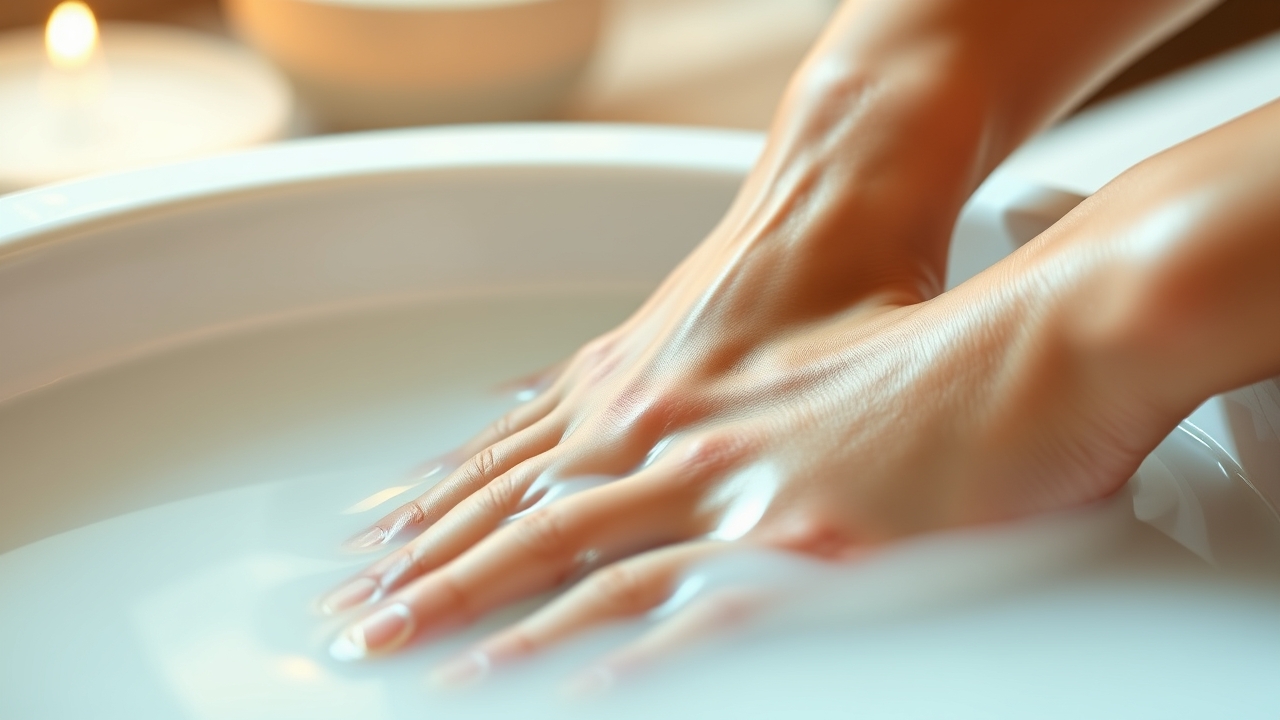
A paraffin wax treatment involves pouring melted paraffin wax—typically a refined, plant‑based substance—into a shallow container. The skin is then submerged for a few minutes while the heat from the wax gradually penetrates the epidermis. Once the wax hardens into a thin film, it is peeled off, leaving the skin feeling soft and hydrated. For more details on the substance itself, you can read the Wikipedia page on paraffin.
Types of Paraffin Wax
There are two primary forms:
- Solid Paraffin: Used in traditional hand and foot treatments, it creates a solid film that can be peeled off.
- Liquid Paraffin (Melting Point Wax): Often used for facial treatments; it remains liquid after cooling, allowing for a smooth, incumidable finish.
How Does the Heat Work? The Science Behind Paraffin Wax Treatment Benefits
The warmth of the wax creates a micro‑environment that encourages increased blood flow. This gentle heat dilates capillaries, allowing nutrients and oxygen to reach deeper layers of the skin. The combination of heat and the wax’s occlusive barrier helps the skin retain moisture, which may reduce the appearance of fine lines and improve overall texture. Additionally, the heat activates the skin’s natural enzymes, accelerating the turnover of dead skin cells.
Paraffin Hand Treatment: A Step‑by‑Step Guide
Below is a detailed, DIY protocol that mirrors a professional spa session. Follow each step carefully to maximize the paraffin wax treatment benefits.
1. Prepare the Wax
• Choose the right wax: Look for a fragrance‑free, plant‑based paraffin if you have sensitive skin. For a richer experience, opt for a wax infused with essential oils like lavender or peppermint.
• Melt gently: Place the wax in a double boiler. Heat until it reaches a silky consistency (ideally 45–50°C). Use a thermometer to avoid overheating.
• Cool slightly: Let the wax sit for 30–60 seconds to reduce the temperature to a safe, comfortable range.
2. Cleanse Your Hands
• Wash with a mild, fragrance‑free soap to remove oils and dirt. Pat dry with a towel—any residual moisture can interfere with wax adhesion.
3. Submerge
• Hold your hands in the wax for 5–7 minutes. If you’re treating feet, adjust the duration to 7–10 minutes due to thicker skin.
• If you have calluses, consider placing a thin towel over the area to prevent direct wax contact, which can cause irritation.
4. Remove and Rinse
• Gently peel the wax film off in one smooth motion. Avoid pulling it off in small pieces to minimize skin trauma.
• Rinse with lukewarm water to remove any residual wax.
5. Moisturize
• Apply a high‑ceramide lotion or a hand cream enriched with hyaluronic acid. This locks in the hydration delivered by the wax.
• For added benefits, massage a drop of essential oil (e.g., eucalyptus for circulation) into the skin.
6. Post‑Treatment Care
• Keep the treated area warm for 5 minutes by wrapping it in a towel. This helps the heat dissipate gently and further enhances circulation.
• Avoid hot showers or saunas for the next 30 minutes to prevent rapid evaporation of moisture.
Paraffin Foot Treatment: Adaptations for the Sole
• Use a slightly lower temperature (42–46°C) to protect the thicker skin of the feet.
• Add a foot soak with Epsom salts before the wax dip to soften calluses.
Wax Dip Benefits: Enhancing Moisture Lock
Many spas combine a traditional wax dip with a topical serum or oil. The wax dip benefits arise from the wax’s ability to seal in active ingredients, allowing them to penetrate deeper. This synergy can amplify the overall paraffin wax treatment benefits, providing both immediate comfort and longer‑term skin health.
Choosing the Right Spa Wax Treatment
When selecting a spa wax treatment, consider the following factors:
- Temperature control: A professional setting ensures the wax stays at a safe, comfortable temperature.
- Wax quality: Look for refined, fragrance‑free options if you have sensitive skin.
- Add‑ons: Some treatments include essential oils or herbal infusions for added benefits.
- Frequency: A weekly session may suffice for most people, but those with severe dryness might benefit from bi‑weekly visits.
- Skin condition: If you have eczema or psoriasis, discuss with your therapist to customize the treatment.
To experience the full range of paraffin wax treatment benefits, you might want to explore the services offered at our spa, where skilled therapists tailor each session to your skin’s needs.
Integrating Paraffin Wax Treatment Benefits into Your Routine
While a professional spa visit is ideal, you can replicate many of the benefits at home with a simple kit:
- Purchase a paraffin wax kit designed for hand or foot use.
- Use a double boiler to melt and maintain the correct temperature.
- Schedule a monthly session, especially during dry winter months.
- Follow up with a moisturizing lotion containing ceramides to reinforce the skin barrier.
- Use a foot file or pumice stone after each session to remove dead skin, ensuring the wax can penetrate fresh layers.
Consistency is key. Over time, the paraffin wax treatment benefits may lead to smoother skin, reduced callus formation, and a more relaxed sense of well‑being.
Professional vs. DIY: Pros and Cons
Professional Spa Treatment
- Pros: Precise temperature control, customized add‑ons, expert guidance, and a fully relaxing environment.
- Cons: Higher cost, scheduling constraints.
DIY Home Treatment
- Pros: Convenience, lower cost, ability to Tea‑time your routine.
- Cons: Risk of overheating, less precise temperature control, potential for uneven application.
Common Myths Debunked
- Myth: Paraffin wax will melt your nails. Fact: When used correctly, the wax’s temperature is below the melting point of nail polish and nails.
- Myth: It’s only for the elderly. Fact: Anyone with dry skin or joint discomfort can benefit.
- Myth: The wax is harmful. Fact: Paraffin is a refined, inert substance; however, always check for fragrance allergies.
When to Avoid Paraffin Wax Treatments
- Open wounds, cuts, or skin infections.
- Recent surgeries or skin grafts.
- Severe hyperhidrosis (excessive sweating) that may cause the wax to slip.
- Pregnancy: consult a healthcare provider before using heat‑based treatments.
Safety Tips and Considerations
Even though paraffin wax treatment benefits are largely safe, keep these precautions in mind:
- Never immerse skin in wax that is too hot; burns can occur.
- Check for allergies to wax or added fragrances before starting.
- Do not apply the treatment if you have open wounds or skin infections.
- After the session, keep the treated area warm for a few minutes to allow the heat to dissipate gently.
- Use a thermometer to monitor wax temperature; the ideal range is 45–50°C for hands and 42–46°C for feet.
Frequently Asked Questions
1. What are the paraffin wax treatment benefits for hands and feet?
The main benefits include deep hydration, improved circulation, reduced dryness and fine lines, and a soothing effect that eases muscle tension. The heat also stimulates enzyme activity that accelerates skin renewal.
2. How often should I do a paraffin wax treatment?
Most people find a monthly session sufficient. Those with very dry skin or arthritis may benefit from bi‑weekly treatments. If you notice irritation, reduce frequency.
3. Can I use paraffin wax treatment if I have sensitive skin?
Yes, but choose a fragrance‑free, plant‑based wax and keep the temperature at the lower end of the recommended range. Patch‑test on a small area first.
4. Does a wax dip enhance the paraffin wax treatment benefits?
Indeed. A wax dip can help lock in active moisturizers, amplifying the overall benefits. For example, a serum containing hyaluronic acid will permeate deeper when sealed by wax.
5. Are there any risks associated with paraffin wax treatments?
Risks are minimal when performed correctly. Avoid overheating the wax, ensure no open skin lesions, and watch for signs of irritation. If you have diabetes or circulatory issues, consult a healthcare professional before proceeding.
Leave a Reply