How to care for dry hands is a question many of us ask when our skin feels rough and flaky. The desire for soft, supple fingertips is not just about aesthetics; it’s a reflection of overall skin health. Below is a comprehensive guide that walks you through every step you need to master how to care for dry hands.
How to care for dry hands: The Complete Routine
When you ask how to care for dry hands, you’re looking for a balanced approach that addresses both the surface and the deeper layers of your skin. The routine below is designed to be gentle enough for everyday use yet effective enough to provide lasting results.
1. Gentle Cleansing
- Use lukewarm water rather than hot water, which can strip natural oils.
- Choose a mild, fragrance‑free cleanser that won’t irritate the skin.
- Massage in circular motions for 30–45 seconds, then rinse thoroughly.
After cleansing, pat your hands dry with a soft towel—avoid rubbing, which can cause micro‑tears.


2. Exfoliation
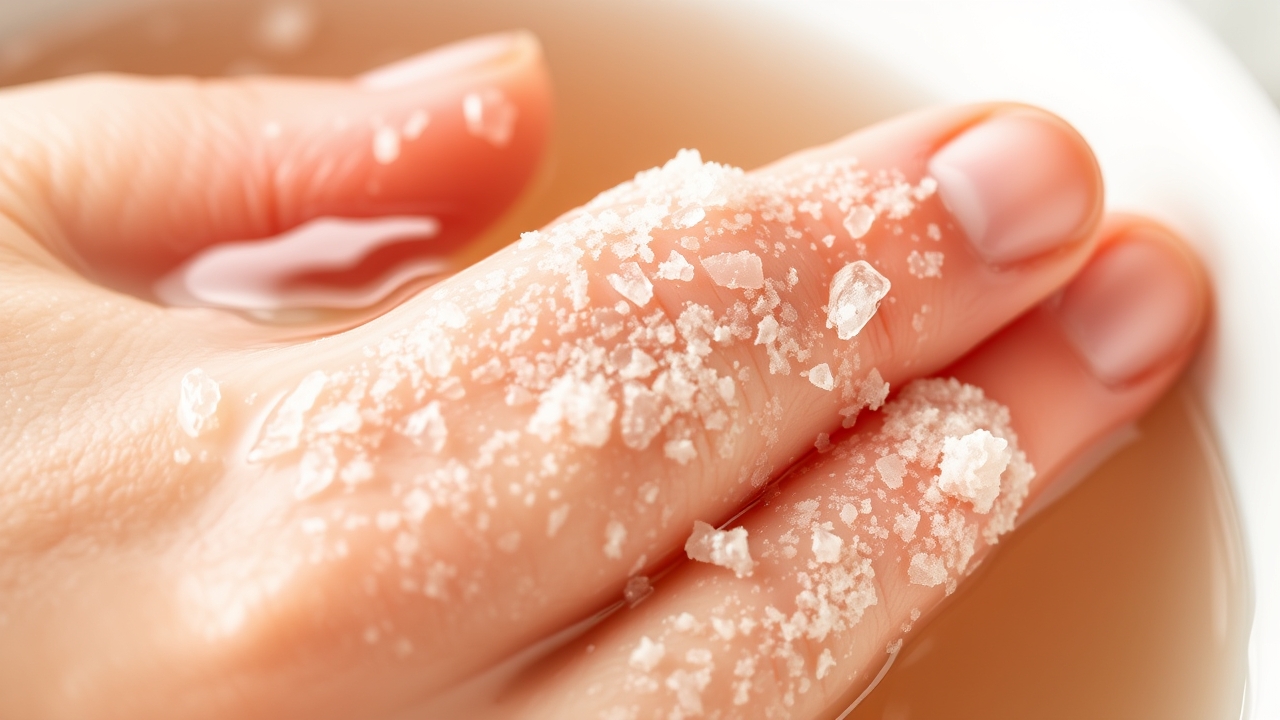
Exfoliating removes dead skin cells that can trap moisture and create a rough texture. Use a gentle scrub or a homemade mixture of sugar and olive oil.
- Apply a small amount of scrub to damp skin.
- Rub in a circular motion for 1–2 minutes.
- Rinse off with lukewarm water and pat dry.
Do not over‑exfoliate; once or twice a week is sufficient for most skin types.
3. Hydrating Treatment
Once your skin is clean and smooth, it’s time to lock in moisture. A rich hand cream or ointment works best because it creates a barrier that prevents water loss.
- Apply a generous amount to both palms and fingers.
- Massage until fully absorbed, paying extra attention to knuckles and cuticles.
- Consider adding a teaspoon of honey or a few drops of vitamin E oil for extra nourishment.
Repeat this step after showers or whenever your hands feel dry.
4. Protective Measures
Daily activities can expose hands to harsh chemicals, cold air, and repetitive motions. Protecting your skin is essential for long‑term softness.
- Wear cotton gloves when washing dishes or using cleaning products.
- Use a humidifier in dry indoor environments.
- Apply a barrier cream before activities that involve prolonged water contact.
These simple habits can dramatically reduce the frequency of dry skin flare‑ups.
5. Nighttime Ritual
Nighttime is the best time for deeper hydration. Follow these steps reductions for maximum absorption.
- Cleanse as in step 1.
- Apply a thick layer of hand cream or a petroleum‑based ointment.
- Wrap your hands in cotton gloves or a towel to keep the moisturizer in place.
- Leave on overnight and wash off in the morning.
Consistency is the key to seeing lasting improvement.
Understanding the Science Behind Dry Hands
Dry hands arise when the skin’s outermost layer, the stratum corneum, becomes compromised. The natural barrier loses its ability to retain moisture, leading to flakiness and tightness. For a deeper dive into hand care practices, the Hand care Wikipedia page offers comprehensive insights. Factors such as low humidity, frequent washing, and exposure to detergents accelerate this barrier breakdown.
When to Seek Professional Help
While most dry‑hand issues can be managed at home, some situations warrant a professional opinion:
- Persistent redness or itching that does not improve with routine care.
- Visible cracks or fissures that may bleed.
- Sudden changes in skin texture or color after a new product introduction.
In such cases, a dermatologist can recommend topical treatments or identify underlying conditions like eczema or psoriasis.
Choosing the Right Cleanser
Not all soaps are created equal. Look for products labeled “non‑ionic” or “anionic” with minimal preservatives. Avoid antibacterial soaps that contain triclosan, which can be drying. If you have sensitive skin, opt for a cream-based cleanser that contains ceramides or niacinamide to help restore the barrier.
Top Cleanser Recommendations
- Neutrogena Ultra Gentle Hydrating Cleanser – fragrance‑free, enriched with glycerin.
- Vanicream Gentle Skin Cleanser – pH balanced and free of dyes.
- La Roche‑Posay Lipikar Syndet – contains shea butter and niacinamide.
DIY Exfoliants: Homemade vs. Store‑Bought
Homemade scrubs are inexpensive and customizable, but they can be messy. Store‑bought options often contain added humectants that help lock in moisture after exfoliation.
Homemade Mixes
- Brown sugar + 1 tbsp olive oil + 1 tsp honey – gentle and natural.
- Granulated sea salt + coconut oil + a dash of vanilla extract – adds fragrance.
- Ground coffee + almond butter – great for a caffeine boost.
Store‑Bought Scrubs
- First Aid Beauty Face & Body Scrub – contains lactic acid for chemical exfoliation.
- Acure Brightening Facial Scrub – uses walnut shell powder and botanical oils.
- Clarins Hand & Nail Scrub – formulated with shea butter for post‑exfoliation moisture.
Layering Techniques for Maximum Hydration
Layering is a simple yet powerful method to seal in moisture. The order matters: lock‑in, hydrate, then protect.
- Lock‑in Layer – Apply a thin film of ceramide‑rich serum or a barrier cream. This creates a moisture‑retentive base.
- Hydrate Layer – Follow with a rich cream containing glycerin or hyaluronic acid. Massage until fully absorbed.
- Protect Layer – Finish with a heavy ointment such as petroleum jelly or a silicone‑based balm. This seals everything in.
Seasonal Adjustments
Dryness can flare up during certain times of the year. Adjust your routine accordingly.
Winter
- Use a thicker ointment like Aquaphor or a 100% pure shea butter.
- Apply hand cream before bed and wear cotton gloves overnight.
- Use a humidifier to add moisture to the air.
Summer
- Switch to a lighter gel‑cream that contains aloe or cucumber extract.
- Reapply after swimming or showering to counteract chlorine and salt water.
- Use a sunscreen‑infused hand cream if you’re outdoors.
Common Mistakes to Avoid
- Using hot water for washing.
- Skipping the moisturizer after washing.
- Over‑exfoliating or using aggressive scrubs.
- Ignoring small cuts or cracks.
- Using a product with alcohol or strong fragrances.
When to Use Professional Products
If home care isn’t enough, consider prescription or OTC products with higher concentrations of active ingredients.
Prescription Options
- Topical corticosteroids for eczema flare‑ups.
- Calcineurin inhibitors (tacrolimus) for chronic dermatitis.
OTC Options
- Urea 10–20% creams for thick, calloused skin.
- Hydroquinone‑free bleaching creams for hyperpigmentation.
Lifestyle Factors That Influence Hand Health
- Diet rich in omega‑3 fatty acids (salmon, walnuts) supports skin barrier function.
- Hydration – drink at least 8 cups of water daily.
- Regular hand massage with essential oils like lavender or tea tree can improve circulation.
- Limit screen time to reduce repetitive strain on the hands.
FAQ
- How to care for dry hands?
- Start with a gentle cleanse, exfoliate once a week, moisturize immediately after washing, and protect your skin during daily chores. Consistency is essential.
- What are the best ingredients for hand creams?
- Look for humectants such as glycerin, hyaluronic acid, or natural oils like almond or jojoba. Occlusives like shea butter or petrolatum help lock in moisture.
- Can I use regular body lotion on my hands?
- Body lotions are typically lighter and may not provide enough barrier protection for hands. For hands, choose a thicker formulation.
- How often should I exfoliate my hands?
- Once or twice a week is sufficient. Over‑exfoliation can irritate the skin and worsen dryness.
- When should I seek a dermatologist for dry hands?
- Seek professional help if dryness is accompanied by severe itching, redness, or if you notice cracks that bleed.
- What natural remedies can I use for dry hands?
- Honey, avocado, coconut oil, and oat milk masks are all excellent for restoring moisture and soothing inflammation.
- How do I protect my hands during cold weather?
- Wear thick cotton or wool gloves, apply a barrier cream before exposure, and reapply after each wash.
- Can my diet affect hand dryness?
- Yes—deficiencies in vitamin E, omega‑3 fatty acids, or dehydration can exacerbate dryness.
By following this guide on how to care for dry hands, you’ll develop a routine that keeps your skin hydrated, soft, and healthy. Remember, the core of how to care for dry hands is gentle cleansing, adequate moisturizing, and protective habits. If you’re curious about how to care for dry hands during winter, adding a humidifier and wearing gloves can make a noticeable difference. Finally, by following these steps, you’ll have mastered how to care for dry hands and enjoy the confidence that comes with healthy, soft skin.
For a relaxing hand massage that complements your routine, explore our spa services at Parisian Nail & Massage Spa.
Leave a Reply