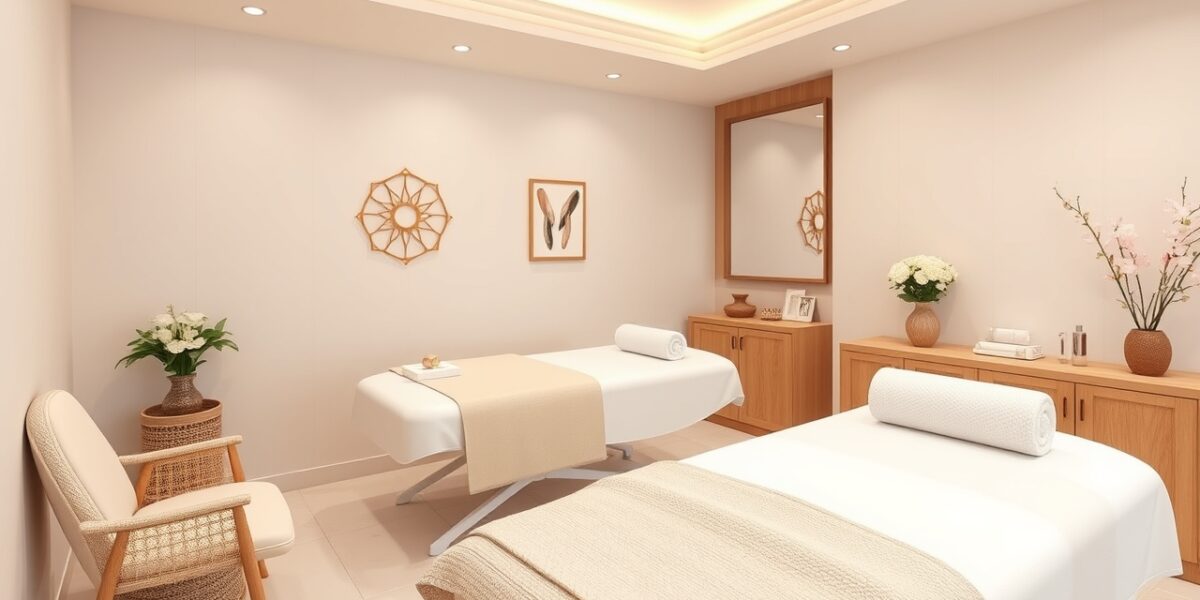
When the office lights dim and the last email is sent, the day isn’t over for most of us. The mental chatter that started at 9 a.m. can linger like a stubborn echo. Knowing how to relieve stress after work means giving yourself permission to shift gears—physically, mentally, and emotionally—so you can return to the next day with fresh energy.
Step 1: Draw a Clear Boundary
It’s simple, but many people overlook it. Set a hard stop for work emails and notifications. When you power down your laptop or phone, you’re telling your brain that the professional chapter has closed. A practical way to enforce this is to place a sticky note on your monitor that reads, “Work ends at 6 p.m.” and to set an alarm that rings at that exact time to remind you to log off.
Why It Matters
- Reduces the feeling of being “always on.”
- Creates a mental cue that the day has ended.
- Prevents the spillover of work stress into personal time.
Step 2: Re‑energise with a Quick Walk
Within 15 minutes of leaving the office, step outside for a brisk stroll. The fresh air and gentle movement reset your nervous system, lower cortisol levels, and give you a mental reset. If you’re in an urban setting, aim for a 10‑minute loop around the block; if you’re at home, a walk to the mailbox or a short jog on a treadmill works just as well.


Concrete Detail
- Put on a comfortable pair of sneakers.
- Set a timer for 10 minutes.
- Use the walk to listen to a favorite podcast or simply observe your surroundings.
Step 3: Hydrate and Nourish
After the walk, rehydrate with a glass of water infused with lemon or a cup of herbal tea. The ritual of sipping warm liquid signals your body that it’s time to transition from work mode to home mode. Pair this with a light snack—such as a handful of almonds or a piece of fruit—to stabilize blood sugar and keep your energy steady.
Step 4: Build a Personal Stress‑Relief Toolkit
Everyone’s needs differ, so customize a routine that feels natural. Below is a framework you can tweak to fit your schedule and preferences.
Mindful Breathing – 5 Minutes
Sit in a quiet corner, close your eyes, and inhale slowly through the nose for a count of four. Hold for four, then exhale through the mouth for six. This pattern activates the parasympathetic nervous system, slowing your heart rate and calming the mind.
Progressive Muscle Relaxation – 10 Minutes
Starting at your toes, tense each muscle group for five seconds, then release. Move upward through calves, thighs, abdomen, chest, arms, shoulders, neck, and finally the face. The sensation of release helps you become aware of and let go of built‑up tension.
Journaling – 5 Minutes
Write down three things that went well today, one thing you’re grateful for, and a task you’ll tackle tomorrow. This practice shifts focus from worry to gratitude and organization.
Gentle Stretching – 5 Minutes
Perform neck rolls, shoulder shrugs, wrist circles, and a few seated cat‑cow stretches. These simple movements loosen tight muscles and improve circulation.
Optional Aromatherapy
If you enjoy scents, add a drop of lavender or chamomile essential oil to a diffuser. The aroma can enhance relaxation and deepen the breathing experience.
Step 5: Create a Spa‑Inspired Evening Ritual
Even a short at‑home spa routine can make a big difference. Use items you already have in your kitchen or bathroom to craft a soothing environment.
Warm Foot Bath – 10 Minutes
Fill a basin with warm water and add a handful of Epsom salt. Soak your feet for ten minutes while you listen to calming music or a guided meditation. The salt helps relax muscles and signals the body that it’s time to rest.
Hand and Nail Care – 15 Minutes
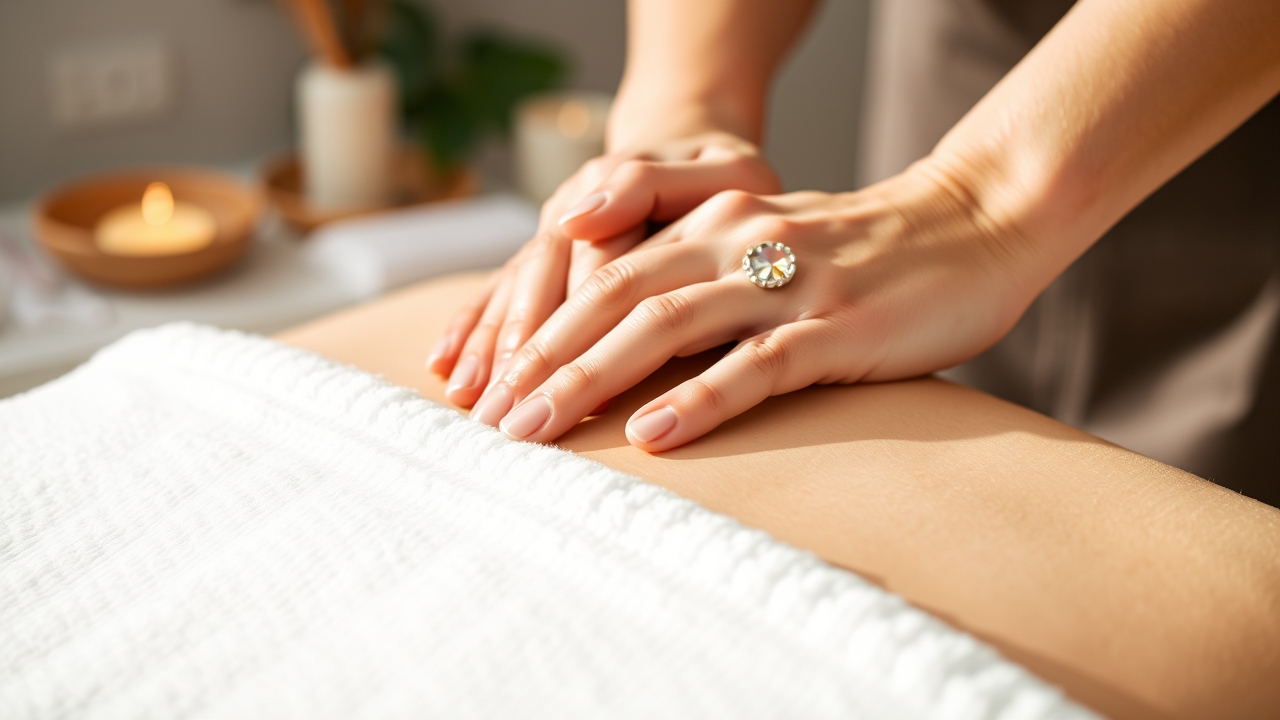
Clean your nails with a gentle nail brush, apply cuticle oil, and massage your hands with a natural oil like almond or jojoba. The tactile sensation is a form of self‑tending that calms the nervous system.
Full‑Body Massage – 20 Minutes
Using a light body lotion, massage your shoulders, arms, and lower back. Focus on areas that feel tight, using slow, steady strokes. If you have a massage ball, roll it under your shoulders to release trigger points.
Guided Meditation – 10 Minutes
Find a quiet spot, sit or lie down, close your eyes, and follow a guided meditation that emphasizes body awareness and breathing. Many free resources are available on YouTube or meditation apps.
Light Reading or Music – 15 Minutes
Choose a calming audiobook, a gentle instrumental playlist, or a short chapter of a book that lifts your mood. Keep the volume low and let the words or melodies lull you toward sleep.
Step 6: Quick Fixes for Tight Evenings
When time is scarce, these micro‑tactics crisp up the evening and still deliver relief.
- Desk Meditation (3 min): While seated, focus on your breath—inhale for four, hold for two, exhale for six. Repeat until you feel calmer.
- Digital Detox (30 min): Switch off all screens at least half an hour before bed. Blue light disrupts melatonin production, so a dark, quiet room helps you wind down.
- Foam Roller or Massage Ball (5 min): Target the lower back and shoulders to release tension quickly.
- Hydrating Face Mask (10 min): Apply a gentle mask or wash your face with lukewarm water and a soothing cleanser. The tactile sensation resets your senses.
Understanding the Science Behind Stress
When you’re under pressure, your body releases cortisol and adrenaline, triggering the “fight or flight” response. Over time, this hormonal surge can lead to headaches, insomnia, and a weakened immune system. By engaging in calming activities—breathing, stretching, and gentle touch—you counteract this cascade, lowering cortisol and promoting relaxation.
Weaving Self‑Care into a Busy Schedule
Self‑care isn’t a luxury; it’s a productivity enhancer. Here are three micro‑habits that fit into any day:
- Micro‑breaks: Every 90 minutes, stand, stretch, or breathe deeply for a minute.
- Morning Ritual: Start your day with a short stretch or a cup of herbal tea to set a calm tone.
- Evening Wind‑Down: Follow the evening routine above, ensuring you have at least 30 minutes before bed.
Connecting with Others: The Social Edge
Human interaction is a powerful antidote to stress. Schedule a weekly coffee catch‑up with a friend or a casual chat with a coworker about non‑work topics. Sharing laughter or stories can shift your mindset from “work mode” to a more balanced state.
When to Seek Professional Help
Self‑care works for most, but chronic stress that interferes with daily life—persistent anxiety, sleep disturbances, or physical symptoms—may require professional support. A therapist can offer personalized strategies and help you navigate underlying issues.
Practical Checklist: Your Evening Stress‑Relief Routine
- 🚪 Set work boundary and close laptop.
- 🚶♂️ Take a 10‑minute walk.
- 💧 Drink water or herbal tea.
- 🧘♀️ Perform mindful breathing for 5 minutes.
- 💆♂️ Stretch or massage tight areas for 10 minutes.
- 🖐️ Hand care and nail maintenance for 10 minutes.
- 🛀 Warm foot bath for 10 minutes.
- 🎧 Guided meditation or calming music for 10 minutes.
- 📖 Light reading or listening for 15 minutes.
- 🛌 Prepare for bed: dim lights, reduce screens.
Why a Spa‑Inspired Routine Works
Spas are designed to activate the parasympathetic nervous system—the part of the nervous system that promotes rest and digestion. By recreating these elements at home—warm water, gentle touch, soothing scents—you create a micro‑environment that signals your body to relax. Even a hand massage can release tension and improve circulation, preparing you for restful sleep.
Common Pitfalls and How to Avoid Them
- Over‑planning: Trying to fit too many activities into a short time can lead to frustration. Start small and build gradually.
- Neglecting sleep: Skipping bedtime routines or staying up late can amplify stress. Aim for 7‑9 hours of sleep each night.
- Ignoring physical signals: Persistent muscle tightness or headaches may indicate deeper issues. Don’t ignore them—seek medical advice if needed.
- Comparing to others: Everyone’s routine is different. Focus on what works for you rather than what others do.
Final Thoughts: Your Path to Calm
Knowing how to relieve stress after work is a personal journey that blends habit, awareness, and intentional self‑care. By setting clear boundaries, practicing mindful techniques, and incorporating a spa‑inspired ritual, you can transform your evenings into restorative experiences. Consistency is key—over time, these habits become second nature, allowing you to tackle each new day with renewed energy and focus.
FAQ
- How do I start to relieve stress after work? Begin by setting a hard stop for work emails, take a brisk walk, hydrate, then practice mindful breathing and gentle stretching. Add a short spa routine if you have time.
- What are the best ways to unwind after work? A 10‑minute walk, a warm foot bath, a guided meditation, and a light reading session are powerful, quick ways to shift from work mode to relaxation.
- Can a short spa routine really reduce stress? Yes. Even a 20‑minute routine that includes massage, aromatherapy, and relaxation can activate the parasympathetic nervous system and lower cortisol levels.
- Is it necessary to visit a professional spa? No. You can create a similar calming environment at home with simple tools like oils, a massage ball, and calming music.
- When should I consider speaking to a therapist about stress? If you experience persistent anxiety, sleep problems, or physical symptoms that don’t improve with self‑care, it may be time to seek professional support.
For more insights on creating a balanced lifestyle, explore resources at our wellness center and visit our daily wellness page for additional guidance and support.
Leave a Reply