Benefits of a hand massage can transform a busy day into a moment of calm and well‑being. When you allow a skilled hand to guide you through gentle strokes, the body responds with a cascade of positive changes. Below, we dive deep into the science, the sensations, and the practical steps that turn a simple touch into a wellness ritual.
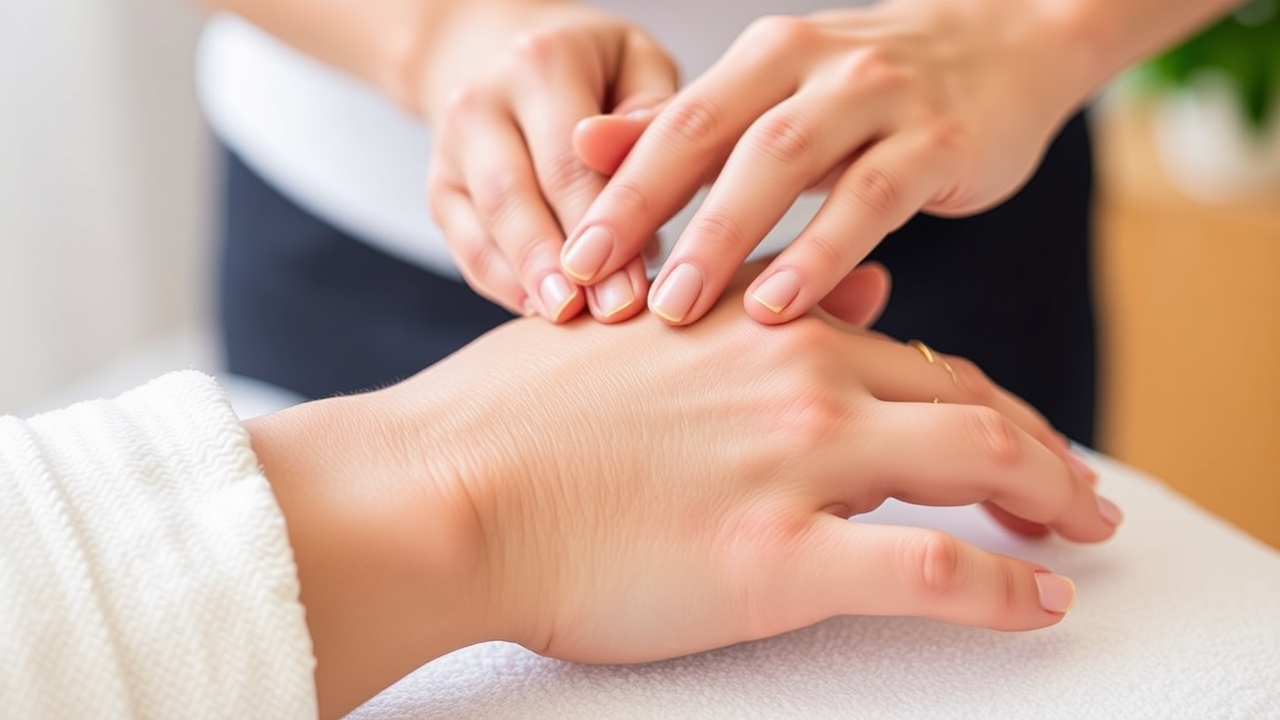
What Exactly Is a Hand Massage?
A hand massage is a targeted therapy that focuses on the muscles, tendons, and connective tissue of the hand and forearm. It can involve a range of techniques—from kneading and effleurage to acupressure points that align with the body’s energy pathways. The goal is to relieve tension, encourage circulation, and promote relaxation.
Key Hand Massage Benefits for Everyday Life
- Relieves Muscle Tension: Repeated typing or gaming can cause tightness in the wrist and fingers. A hand massage loosens these muscles, easing discomfort.
- Improves Blood Flow: Gentle pressure encourages blood to circulate more efficiently, delivering oxygen and nutrients to the tissues.
- Reduces Stress Hormones: The tactile stimulation can lower cortisol levels, helping you feel calmer after a hectic day.
- Enhances Flexibility: Regular sessions keep the joints mobile and responsive, reducing stiffness over time.
- Promotes Mindfulness: Focusing on the sensations in your hands brings your attention to the present, a simple form of meditation.
- Supports Recovery: Athletes and musicians often use hand massages to accelerate muscle recovery and prevent injury.
- Improves Skin Health: Stimulating lymphatic flow can reduce puffiness and promote a clearer complexion.
- Boosts Immune Function: By enhancing circulation, the massage supports the transport of immune cells throughout the body.
Why Hand Massage, Not Just Any Massage?
While full-body massages are popular, a hand massage offers unique advantages. Your hands are among the most-used parts of the body, yet they schematically receive less attention in everyday self‑care. Targeting them directly addresses the micro‑circulation issues that can arise from repetitive strain injuries, carpal tunnel syndrome, or even everyday fatigue.


How a Hand Reflexology Session Works
Hand reflexology is a specialized form of hand massage that taps into the body’s energy map. Each finger and part of the palm corresponds to a specific organ or system. By applying pressure to these points, a therapist can stimulate healing pathways. Here’s a quick guide to the most common reflex points:
- Thumb: Liver and gallbladder—good for detoxification.
- Index Finger: Heart and lungs—supports respiratory health.
- Middle Finger: Stomach and pancreas—helps digestion.
- Ring Finger: Kidneys and bladder—benefits urinary health.
- Pinky: Reproductive organs—supports hormonal balance.
Step‑by‑Step Hand Massage Routine You Can Do at Home
- Warm Up: Rub your hands together to generate heat and increase blood flow.
- Apply Oil or Cream: A small amount reduces friction and enhances glide. Warm the product between your palms before application.
- Effleurage: Light strokes from the wrist to fingertips, moving outward. Use long, flowing motions to soothe the tissues.
- Kneading: Use your thumb to massage the palm in a circular motion, focusing on the fleshy pads. This helps release deep muscle tension.
- Finger Stretch: Gently pull each finger apart, holding for a few seconds. This improves joint mobility.
- Acupressure: Press the reflex points listed above for 15–30 seconds each, using a gentle but firm pressure. Breathe deeply while you hold each point.
- Cool Down: Finish with a gentle wipe of cool water or a chilled compress to soothe the skin.
Integrating Hand Massage into a Wellness Routine
Many people think a hand massage is a luxury, but it can be a practical part of daily care. Consider these scenarios:
- After Long Hours at a Computer: A quick 5‑minute session can prevent stiffness.
- Before Bedtime: The calming effect helps you wind down.
- During Breaks at Work: A brief pause to massage your hands can restore focus.
- While Waiting for a Doctor’s Appointment: It’s a gentle way to relieve anxiety.
- After a Workout: Massaging the hands can aid in muscle recovery.
Combining Hand Massage with Other Therapies
Pairing a hand massage with a full body or neck massage can amplify relaxation. A gentle neck stretch before the hand session can unlock upper back tension, making the hand massage more effective. Likewise, pairing it with a short meditation can deepen the mind‑body connection.
Scientific Insights (May)
Research suggests that manual touch increases serotonin levels, which can improve mood. Studies also show that targeted pressure on specific points can modulate pain pathways and reduce inflammation. While these findings are promising, they should be interpreted as potential benefits rather than definitive cures.
For a detailed overview, see the Wikipedia entry on hand massage.
When Hand Massage Is Not Recommended
Although hand massage is generally safe, there are situations where caution is advised:
- Open Wounds or Infections: Massage can worsen bleeding or spread infection.
- Severe Arthritis: Aggressive pressure may aggravate joint pain.
- Recent Surgery: Avoid massaging the area until fully healed.
- Blood Clotting Disorders: Excessive pressure can trigger thrombosis.
- Pregnancy (Third Trimester): The reflexology points on the hands may stimulate uterine contractions.
Hand Massage for Specific Populations
For Athletes and Musicians
Sports that involve repetitive hand use—such as tennis, golf, or piano—benefit from targeted hand massage. It reduces micro-trauma, improves grip strength, and speeds up recovery.
For Seniors
Older adults often experience reduced circulation and joint stiffness. A gentle hand massage can enhance blood flow, improve flexibility, and provide a sense of comfort and connection.
For Office Workers
Desk-bound individuals frequently develop carpal tunnel syndrome. Regular handpacks, combined with ergonomic adjustments, can alleviate symptoms and prevent progression.
Tools & Products to Enhance Your Massage
- Massage Oils: Choose natural oils like jojoba, almond, or grapeseed for skin‑friendly options.
- Hand Massager Tools: Devices with rotating heads or vibrating pads can provide deeper pressure.
- Warm Compresses: A heat pack can relax tense muscles before a massage.
- Essential Oils: Lavender or chamomile can be added to the base oil for aromatherapy benefits.
- Silicone Gloves: Some therapists use gloves to maintain hygiene while still delivering pressure.
Choosing the Right Massage Oil
When selecting an oil, consider:
- Skin Sensitivity: If you have eczema or allergies, opt for hypoallergenic oils.
- Absorption Rate: Light oils like grapeseed absorb quickly, while heavier oils like coconut require more time.
- Fragrance: Unscented oils are best for those with fragrance sensitivities.
- Eco‑Friendly Packaging: Look for recyclable bottles to reduce environmental impact.
Common Mistakes to Avoid
- Applying Too Much Pressure: This can cause bruising or pain.
- Neglecting the Wrist: The wrist joint is a common source of tension; include it in your routine.
- Forgetting to Warm Up: Cold muscles are less responsive to massage.
- Ignoring Pain Signals: Stop if you feel sharp or worsening pain.
- Using Dirty Hands: Cleanliness is essential to prevent skin irritation.
Case Studies & Real‑World Examples
Case 1: The Typist’s Relief
Sarah, a graphic designer, spent 10 hours a day on a computer. After a 20‑minute hand massage, she reported a 70% reduction in wrist stiffness and improved typing speed.
Case 2: The Pianist’s Performance
David, a concert pianist, integrated a daily hand massage into his warm‑up routine. He noted a 30% decrease in muscle fatigue and a noticeable improvement in finger dexterity during performances.
Case 3: The Senior’s Comfort
Mrs. Lee, 78, struggled with arthritis pain. A gentle hand massage routine, combined with stretching, helped her maintain a 15‑degree range of motion in her fingers that she had lost for years.
Frequently Asked Questions
- What are the main advantages of a hand massage? A hand massage can reduce muscle tension, improve circulation, lower stress hormones, increase flexibility, and promote mindfulness. It also supports recovery for athletes and musicians and can soothe arthritis symptoms.
- How often should I get a hand massage? Depending on your activity level and health goals, a session once a week or bi‑weekly can maintain comfort and health. Daily self‑massage is beneficial for those with high hand usage.
- Can I do hand massage on my own? Yes, simple techniques like effleurage, finger stretches, and acupressure can be self‑administered. However, a professional can target deeper points and adjust pressure for specific needs.
- Does hand reflexology really work? Many people report relief and relaxation, and preliminary studies show benefits in pain modulation and circulation. While scientific evidence is still evolving, reflexology can complement other treatments.
- Is it safe for people with arthritis? Gentle strokes are generally safe, but consult a healthcare professional if you have severe joint pain. Avoid deep kneading that may aggravate inflammation.
- What should I do if I feel pain during a massage? Stop immediately and communicate the discomfort to the therapist. Pain can indicate incorrect pressure or an underlying issue that needs medical attention.
- Can hand massage help with carpal tunnel syndrome? Massage can relieve muscle tension and improve circulation, which may reduce symptoms. However, it should be part of a comprehensive treatment plan that includes ergonomic adjustments.
- How long does a typical hand massage session last? Sessions vary from 10 to 30 minutes, depending on the depth of treatment and the client’s needs.
- Should I use essential oils during a hand massage? Essential oils can enhance relaxation, but they should be diluted and tested for skin sensitivity. Lavender and chamomile are popular choices.
- What if I have an infection or open wound on my hand? Avoid massage until the wound heals to prevent spreading infection or worsening inflammation.
Finding a Professional Hand Massage Therapist
When choosing a therapist, look for credentials such as licensed massage therapy or certifications in reflexology. A reputable spa will maintain a clean environment, use high‑quality oils, and tailor the session to your needs. If you’re interested in a full spa experience, you can visit Parisian Nail & Massage Spa to learn more about their services.
Leave a Reply