Benefits of a spa manicure can transform your nail routine from a simple upkeep task to a full‑body experience. It’s more than polish and cuticles—it’s a ritual that nourishes skin, boosts circulation, and offers a moment of calm.
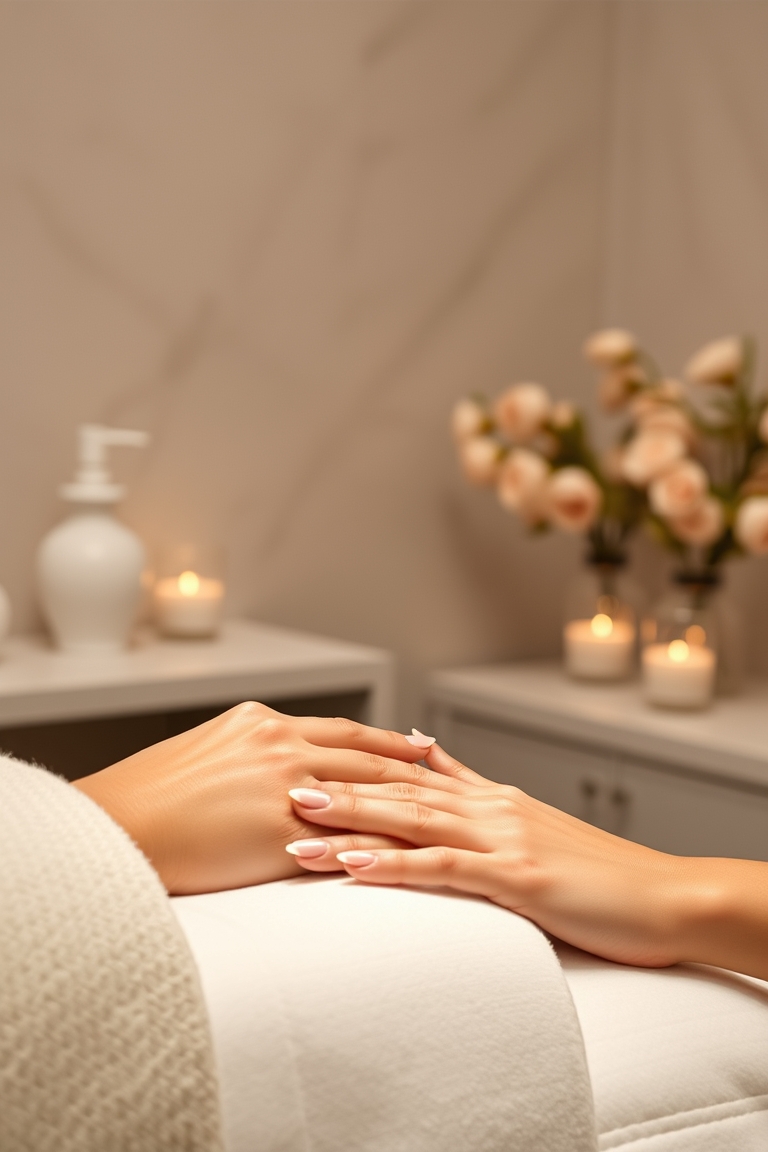
What Is a Spa Manicure?
A spa manicure is a comprehensive nail service that combines traditional nail care with additional treatments such as exfoliation, deep conditioning, and massage. Unlike a regular manicure, a spa version typically includes:
- Soothing hand soak with aromatic oils or herbal infusions
- Gentle exfoliation to remove dead skin cells
- Rich hand masks and cuticle treatments
- Professional hand massage with firm but gentle strokes
- Optional enhancements like paraffin wax or hot stone therapy
- Finishing with high‑quality polish or natural nail care products
Why It Matters: The Core Benefits
1. Deep Hydration and Nail Strength
During a spa manicure, hands are left in a warm, moisturising bath for several minutes. The heat helps open the pores, allowing moisturisers to penetrate deeper than a quick hand wash. This can:


- Reduce dryness and flakiness
- Help prevent split ends and brittle nails
- Improve the overall health of cuticles
2. Enhanced Circulation and Relaxation
Massage is a key component. By applying pressure along the fingers, wrists, and forearms, technicians stimulate blood flow. Increased circulation delivers more oxygen and nutrients to nail beds, which may:
- Accelerate nail growth
- Reduce swelling or discomfort from repetitive tasks
- Provide a subtle anti‑stress effect
3. Exfoliation for a Smooth Canvas
Exfoliating scrubs remove dead skin cells and smooth the surface of the nails. This not only looks polished but also:
- Prevents polish chipping by creating a cleaner base
- Reduces the likelihood of hangnails and ingrown cuticles
- Leaves skin feeling silky and refreshed
4. Luxury and Pampering Experience
Beyond the tangible results, a spa manicure offers an indulgent break. The ambience—soft lighting, calming music, and aromatic scents—helps shift focus from daily stress to personal care. This psychological benefit:
- Improves mood and self‑esteem
- Encourages regular self‑care habits
- Creates a memorable event for special occasions
5. Customisation and Professional Insight
Experienced nail technicians can assess nail health and recommend tailored products or treatments. Whether you have weak nails, fungal concerns, or simply want a fresh look, a spa manicure adapts to your needs.
Comparing Spa Manicure vs Regular Manicure
While a regular manicure focuses on shaping, polishing, and quick cuticle trimming, a spa manicure expands the scope to holistic care. Here are the key differences:
- Duration: Spa (60–90 min) vs Regular (20–30 min)
- Products: High‑end serums, oils, masks vs basic nail polish
- Techniques: Hand massage, exfoliation, and advanced cuticle care vs simple cuticle push‑back
- Outcome: Long‑lasting hydration and improved nail health vs superficial appearance
How to Maximise the Benefits at Home
If you can’t visit a spa, you can still incorporate many spa manicure elements into a home routine. Try these steps:
- Soak hands in warm water with a few drops of essential oil (lavender or tea tree).
- Gently scrub with a homemade sugar scrub to exfoliate.
- Apply a nourishing cuticle oil and massage into the nails.
- Use a thick hand cream or paraffin wax treatment for deep hydration.
- Finish with a base coat, your favourite polish, and a top coat.
Choosing the Right Spa Manicure Package
Spas often offer a range of packages. Consider these when booking:
- Standard Spa Manicure: Basic soak, cuticle care, polish.
- Luxury Spa Manicure: Includes paraffin wax, hot stone therapy, and premium polish.
- Wellness Package: Adds aromatherapy massage and a herbal tea break.
Ask the technician about the ingredients they use—look for natural, cruelty‑free options to keep the experience truly beneficial.
When to Schedule a Spa Manicure
Timing can influence the effectiveness:
- After a long workday: a great way to unwind.
- Before a special event: nails look flawless and feel fresh.
- Seasonally: winter is perfect for extra hydration; summer for lighter, breathable treatments.
Safety and Hygiene Considerations
Always ensure the spa follows strict hygiene protocols: sterilised tools, fresh towels, and a clean environment. This protects against infections and keeps the experience safe.
Choosing the Right Products for Your Skin Type
Not all moisturisers work the same for every skin type. For instance, if you have oily skin, a lightweight gel‑based cuticle oil may prevent greasiness, while dry skin benefits from a rich, oil‑heavy balm. When selecting a spa manicure, ask the technician about:
- Ingredient profiles—look for hyaluronic acid, shea butter, and vitamin E for hydration.
- Allergy‑free options—tea tree oil is great for antibacterial properties but can irritate sensitive skin.
- Fragrance‑free variants—especially if you’re prone to headaches or migraines.
Common Nail Problems & How Spa Manicures Address Them
Many people struggle with specific nail issues that a spa manicure can help mitigate:
- Weak, brittle nails: Deep conditioning treatments with protein‑rich serums strengthen the nail plate.
- Hangnails and ingrown cuticles: Gentle cuticle massage and proper hydration keep the cuticles soft and pliable.
- Fungal infections: Antifungal cuticle oils and a clean, dry environment reduce the risk of reinfection.
- Dry, cracked skin around nails: Exfoliation followed by a high‑quality hand mask seals moisture and repairs the skin barrier.
DIY Spa Manicure Kit: What to Keep on Hand
Build a small kit that mirrors spa treatments so you can enjoy the experience at home:
- Hand soak bowl with warm water, sea salt, and a few drops of essential oil.
- Exfoliating scrub—mix brown sugar, coconut oil, and a pinch of sea salt.
- Cuticle oil or balm—choose a product with jojoba or almond oil.
- Hand mask—store‑bought or homemade (avocado, honey, and yogurt).
- Paraffin wax kit—available at most drugstores for a quick heat treatment.
- High‑quality base coat, top coat, and your favourite polish.
Professional vs Home: When a Spa Is Worth It
While a home routine can replicate many steps, a professional spa manicure offers:
- Expertise in diagnosing nail health issues that you might miss.
- Access to premium products that are often not sold in retail stores.
- An environment designed for relaxation—quiet rooms, calming music, and aromatherapy.
- A time‑saving experience—no need to wait for tools or clean up afterward.
Consider a spa visit when you need a quick health boost, a special occasion, or simply want to indulge in a restorative ritual.
Timing and Frequency for Different Nail Types
How often you should get a spa manicure depends on your nail growth rate and skin condition:
- Fast‑growing nails: Every 4–6 weeks keeps them healthy and prevents split ends.
- Slow‑growing nails: Every 6–8 weeks allows enough time for the treatment to work.
- Sensitive skin: A lighter, fragrance‑free routine every 8 weeks reduces irritation.
- Active lifestyles: Those who frequently wash hands or use harsh chemicals may benefit from a bi‑monthly spa session.
External Reference
For more scientific insight into the benefits of hand massage and skin hydration, see the Hand massage article on Wikipedia.
FAQ
- What are the benefits of a spa manicure? They include deep hydration, improved circulation, exfoliation, relaxation, and personalised nail care.
- How is a spa manicure different from a regular manicure? A spa manicure involves a longer session, additional treatments like massage and masks, and a focus on skin health beyond just polish.
- Can I get a spa manicure if I have sensitive skin? Yes, but inform the technician so they can use hypoallergenic products and adjust the soak time.
- How often should I get a spa manicure? Every 4–6 weeks is ideal for maintaining nail health and enjoying the pampering benefits.
- Is a spa manicure worth the extra cost? Many find the holistic benefits and relaxation worth the investment, especially when it supports overall well‑being.
- Can a spa manicure help with fungal nail infections? While it won’t cure a fungal infection, the deep cleansing and use of antifungal products can reduce symptoms and prevent spread.
- What should I avoid after a spa manicure? Avoid harsh chemicals, prolonged exposure to hot water, and excessive hand washing for at least 24 hours to preserve moisture.
- Is a spa manicure suitable for kids? Yes, but choose a gentle soak, mild products, and keep the session short to accommodate younger skin.
- Can I combine a spa manicure with a pedicure? Absolutely—many spas offer combined packages that treat both hands and feet in a single session.
- How do I know if my spa manicure is too harsh? If you feel pain or notice redness and swelling that persists, it may be too intense; communicate this to your technician.
Leave a Reply