More Than Just a Polish: Understanding the Benefits of a Pedicure
When most people think of a pedicure, they envision a splash of vibrant color on their toenails or a relaxing hour at a nail salon. However, the benefits of a pedicure extend far beyond aesthetics. Our feet are the foundation of our entire body, carrying our full weight and enduring constant friction, pressure, and environmental stress. Despite this, they are often the most neglected part of our hygiene routine.
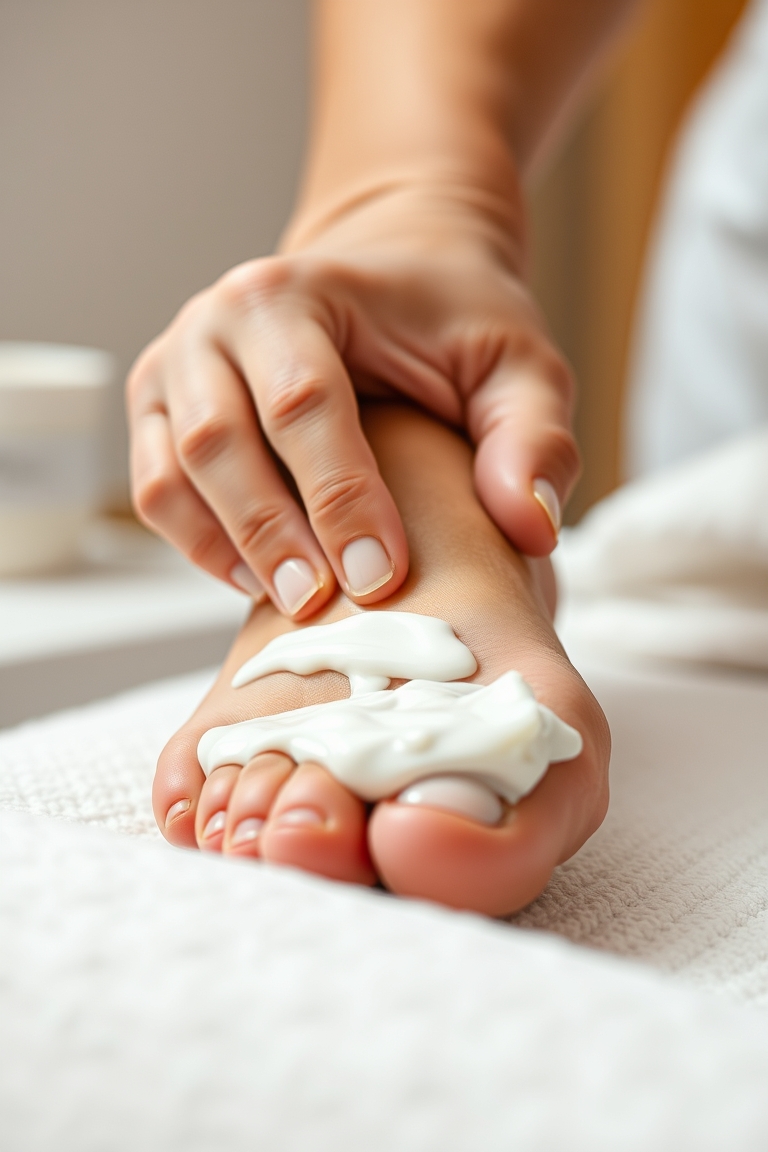
A professional pedicure is a comprehensive treatment that combines hygiene, skin care, and therapeutic massage. Whether you are an athlete, a professional who spends all day on your feet, or someone simply looking for a moment of zen, regular foot care is essential for long-term mobility and wellness.
The Health Benefits of Regular Pedicures
1. Prevention of Calluses and Corns
Calluses and corns are the body’s natural defense mechanism—thickened layers of skin that form to protect the area from repeated friction. While this protection is useful, excessive buildup can lead to pain, cracking, and difficulty walking. A key part of a pedicure is the removal of dead skin cells and the smoothing of calluses using professional tools and exfoliants.


By regularly removing this hardened skin, you prevent deep fissures (cracks) that can become gateways for bacteria, reducing the risk of infections and ensuring your feet remain soft and flexible.
2. Management of Ingrown Toenails
Ingrown toenails occur when the edge of the nail grows into the surrounding skin, causing inflammation, pain, and sometimes infection. A trained nail technician can identify the early signs of an ingrown nail and trim it correctly to prevent the condition from worsening.
Professional trimming ensures that nails are cut straight across rather than curved into the corners, which is the primary way to avoid the discomfort of ingrowns. For those prone to this issue, the regular monitoring provided by a pedicure is an invaluable preventative measure.
3. Fungal Infection Detection
Because we often keep our feet enclosed in socks and shoes, fungal infections like athlete’s foot or toenail fungus can go unnoticed until they become severe. During a pedicure, a professional has a clear view of your nail beds and skin.
Early detection is critical. A technician can spot discoloration or thickening of the nail and advise you to see a podiatrist before the infection spreads to other toes or becomes systemic. This proactive approach saves time and prevents more invasive medical treatments later.
The Physical and Mental Wellness Connection
The Power of Foot Massage
One of the most overlooked benefits of a pedicure is the massage. The feet contain thousands of nerve endings and are linked to various systems in the body through reflexology points. A professional foot massage helps to:
- Improve Circulation: Massaging the feet encourages blood flow, which helps deliver oxygen and nutrients to the tissues and removes metabolic waste.
- Reduce Swelling: For those who suffer from edema or spend hours standing, the lymphatic drainage effect of a massage reduces fluid retention in the ankles and feet.
- Alleviate Tension: Foot massage triggers the release of endorphins, the body’s natural feel-good chemicals, which helps lower cortisol levels (the stress hormone).
Psychological Relaxation and Self-Care
In a fast-paced world, the act of sitting still for an hour is a form of mindfulness. The sensory experience—the warmth of the water, the scent of essential oils, and the tactile sensation of the massage—shifts the body from a ‘fight or flight’ state to a ‘rest and digest’ state.
This mental reset is crucial for overall well-being. Investing in a pedicure is a signal to yourself that your health and comfort are priorities, boosting your mood and overall confidence.
Step-by-Step: What Happens During a Professional Pedicure?
To fully appreciate the benefits of a pedicure, it helps to understand the meticulous process involved in a high-quality treatment:
- The Soak: Your feet are immersed in warm, soapy water. This softens the skin and nails, making the subsequent steps more effective and less abrasive.
- Nail Trimming and Shaping: The technician clips the nails and files them to a smooth, rounded shape to prevent snagging and ingrowns.
- Cuticle Care: Cuticles are pushed back and tidied. This prevents hangnails and keeps the nail bed healthy.
- Exfoliation: Using a pumice stone or a foot scrub, the technician removes dead skin from the heels and balls of the feet. This is where the primary ‘smoothing’ benefit occurs.
- Massage: A moisturizing lotion or oil is applied, and the feet and lower legs are massaged to relieve tension and hydrate the skin.
- Polishing (Optional): A base coat, color, and top coat are applied. While this is the aesthetic part, the polish also provides a protective layer for the nail plate.
Pro Tips for Maintaining Your Pedicure at Home
While professional treatments are essential, you can extend the benefits of a pedicure with a few simple home habits:
- Daily Moisturizing: Apply a urea-based cream or a thick foot balm every night before bed. Wear cotton socks over the cream to lock in moisture.
- Gentle Exfoliation: Use a soft foot file once a week in the shower to prevent calluses from reforming rapidly.
- Hydration: Drink plenty of water. Dehydrated skin is more prone to cracking and dryness, especially on the heels.
- Proper Footwear: Avoid wearing the same pair of shoes every day. Give your shoes time to air out and choose footwear that provides adequate arch support to reduce pressure points.
Comparing Pedicure Types: Which One Do You Need?
Depending on your goals, you might choose different types of treatments. For more information on skin health and professional treatments, you can visit Healthline’s guide to foot health.
The Classic Pedicure
Best for maintenance. It focuses on basic nail care, scrubbing, and polishing. Ideal for those who already have healthy feet and want to keep them that way.
The Spa Pedicure
Best for deep relaxation. This usually includes an extended massage, a paraffin wax treatment (which deeply hydrates the skin), and higher-end exfoliating scrubs. Choose this when you are feeling burnt out or have extremely dry skin.
The Medical Pedicure (Medi-Pedi)
Best for those with health concerns. Performed by a podiatrist or a specialized technician, this focuses on the clinical health of the foot, treating severe calluses or fungal issues in a sterile environment. This is highly recommended for individuals with diabetes.
Frequently Asked Questions About Pedicures
How often should I get a pedicure?
For most people, every 4 to 6 weeks is ideal. This aligns with the natural growth cycle of the nails and prevents calluses from becoming too thick or painful.
Are pedicures safe for people with diabetes?
People with diabetes should exercise caution. Because diabetes can cause neuropathy (loss of feeling) and poor circulation, a small cut can lead to a serious infection. It is strongly advised to seek a medical pedicure from a licensed podiatrist rather than a standard nail salon.
Can I get a pedicure if I have a fungus?
You should inform your technician before the service begins. While a pedicure can help clean the area, a technician cannot “cure” a fungus. In some cases, they may decline the service to prevent cross-contamination, or they may suggest a medical-grade treatment.
What is the difference between a pedicure and a podiatry appointment?
A pedicure is a cosmetic and wellness treatment focused on grooming and relaxation. Podiatry is a medical specialty focused on diagnosing and treating foot disorders, injuries, and diseases. If you have chronic pain or a medical condition, see a podiatrist.
Does a pedicure actually help with foot pain?
Yes, indirectly. By removing painful calluses and improving circulation through massage, a pedicure can reduce the daily discomfort associated with foot tension. However, it is not a cure for structural issues like plantar fasciitis.
Conclusion: Step Into Wellness
The benefits of a pedicure are a perfect blend of health and luxury. By prioritizing your feet, you aren’t just ensuring that your toes look great in sandals; you are investing in your mobility, preventing painful infections, and granting yourself a necessary mental break. Whether you opt for a simple trim or a full spa experience, your feet will thank you for the attention.
Ready to upgrade your self-care routine? Check out our other guides on holistic skin care routines to ensure you’re glowing from head to toe.
Leave a Reply