Winter hand and foot care is essential when the air turns dry and the temperature drops. The combination of cold wind, indoor heating, and limited outdoor activity can strip skin of its natural oils, leaving you with cracked nails, rough skin, and unsightly calluses. By following a thoughtful routine that balances cleansing, exfoliation, and intensive moisturization, you can keep your extremities smooth, healthy, and ready for any occasion.
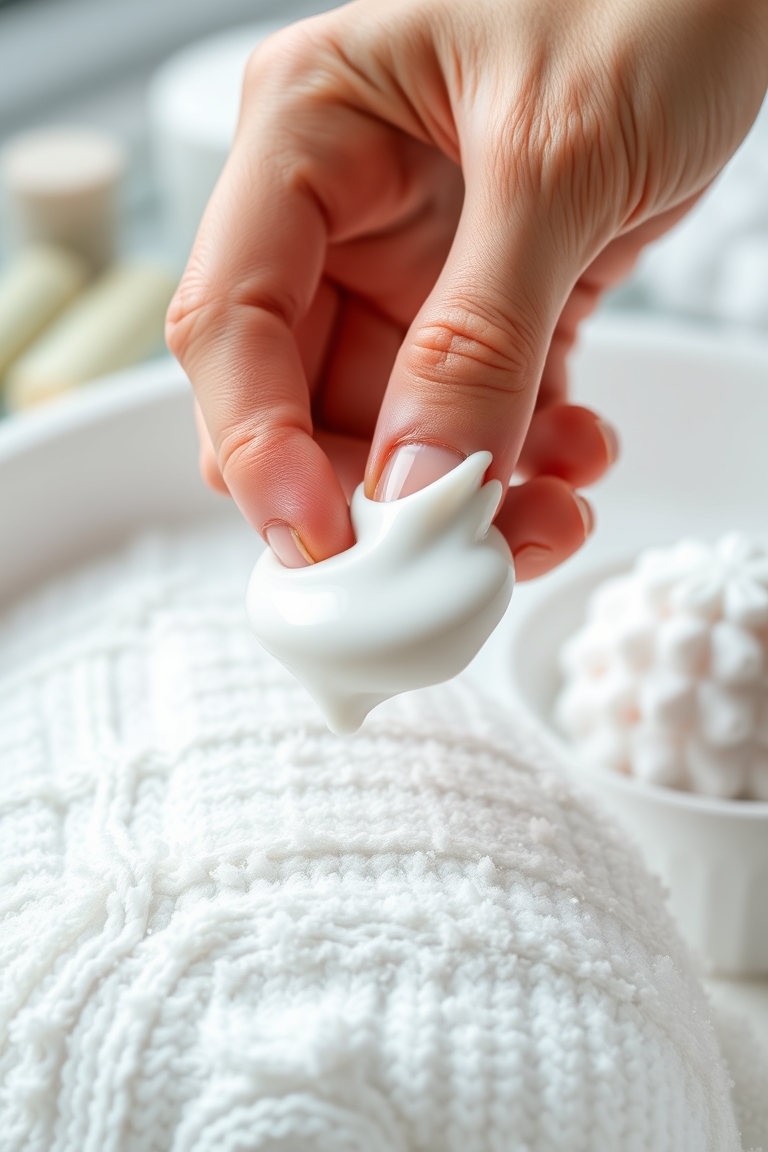
Why Winter Strikes Your Skin
During winter, the humidity level often falls below 30%. Skin’s natural barrier—composed of fatty acids and cholesterol—has to work harder to retain moisture. When it fails, the epidermis becomes dehydrated, thin, and more prone to irritation. The same process affects the skin under the nails and the soles of the feet, leading to common issues such as:
- Dry, flaky skin on the hands and feet
- Cracked cuticles and split nails
- Calluses and corns on the feet
- Increased sensitivity to soaps and detergents
Step‑by‑Step Winter Hand Care Routine
1. Gentle Cleansing
Choose a fragrance‑free, hydrating hand wash. Massage gently for 30–60 seconds, then rinse with lukewarm water. Avoid hot showers, as they can worsen dehydration. If you’re outdoors, use a small, travel‑size bottle to keep your hands clean without over‑exposure to water.


2. Exfoliate Weekly
Use a homemade sugar scrub (one part sugar to one part olive oil) or a commercial hand exfoliator. Scrub in circular motions, focusing on the knuckles and the backs of the hands. Follow up with a mild moisturizer. For a deeper cleanse, add a teaspoon of oatmeal to the scrub for its soothing properties.
3. Cuticle Care
Soak nails in warm water for five minutes to soften cuticles. Apply a cuticle oil or butter, then gently push back with a cuticle stick. Avoid cutting cuticles, which can lead to infection. If you notice thickened cuticles, a gentle file can help, but never use a sharp blade.
4. Intensive Moisturization
Apply a thick hand cream or natural butter (shea, cocoa, or almond) every evening. For extra hydration, cover hands with cotton gloves overnight. A popular tip is to add a drop of vitamin E oil for added nourishment. If you have extremely dry skin, consider a silicone‑based hand mask that seals in moisture for 30 minutes.
5. Protect During Daily Tasks
Wear nitrile gloves when washing dishes or using cleaning chemicals. If you work outdoors, cover your hands with a waterproof glove when exposed to wind and cold. For gardening, use a pair of rubber gloves to protect against splinters and moisture loss.
6. Quick Refresh Between Activities
Keep a travel‑size hand lotion in your bag. After a quick wipe‑down with a microfiber cloth, apply a pea‑size amount to maintain softness without feeling greasy.
Step‑by‑Step Winter Foot Care Routine
1. Cleanse Gently
Wash feet with a mild, moisturizing cleanser. Pat dry with a soft towel—avoid rubbing hard, as it can irritate the skin. If you have eczema, use a fragrance‑free cleanser and rinse with cool water to soothe irritation.
2. Soak and Soften
Soak feet in warm water mixed with a tablespoon of Epsom salts for 10–15 minutes. This relaxes muscles and softens calluses. For an extra boost, add a few drops of tea tree oil for its antimicrobial properties.
3. Exfoliate
Use a pumice stone or foot file to gently remove dead skin. Focus on heels and the balls of the feet. Don’t over‑file, as thin skin can crack. If you have diabetes, skip the pumice and use a gentle foot scrub instead.
4. Nail Care
Trim toenails straight across and file the edges. Avoid cutting too close to the skin to prevent ingrown nails. For a polished look, apply a clear topcoat after each trim.
5. Deep Moisturize
Apply a thick foot cream or natural oil (such as coconut or jojoba) after washing. Massage in a circular motion, ensuring coverage of the soles, ankles, and toes. For extra protection, use a foot mask with ceramides for 30 minutes.
6. Overnight Protection
After moisturizing, slip on a pair of cotton socks. This locks in moisture and keeps feet soft throughout the night. For added warmth, wear a thin pair of wool socks over the cotton.
Cold Weather Foot Care: Extra Tips for the Outdoors
When venturing outside, your feet are exposed to wind, snow, and ice. Protective footwear and proper care are vital.
- Wear moisture‑wicking socks to keep feet dry.
- Choose insulated, waterproof boots with breathable lining.
- Apply a thin layer of foot powder to reduce friction and prevent blisters.
- Take breaks indoors to warm and moisturize.
Integrating a Winter Spa Routine at Home
Transform your bathroom into a sanctuary that pampers both hands and feet.
- Set the mood with calming music and scented candles (lavender or eucalyptus).
- Use a warm bath with Epsom salts for a full‑body soak.
- After the bath, give yourself a manicure and pedicure using gentle, natural products.
- Finish with a relaxing massage using a nourishing oil.
Why Moisturizing Winter Matters
Moisturizing winter is not just a luxury; it’s a preventative measure. By replenishing lost lipids, moisturizers help restore the skin’s barrier function, reducing the risk of cracks, fissures, and infections. Look for ingredients like hyaluronic acid, ceramides, and natural oils.
Common Myths Debunked
- Myth: Cold air is the only cause{ of dry skin.
- Truth: Indoor heating and harsh soaps also contribute significantly.
- Myth: Frequent hand washing kills skin 0
- Truth: Use a hand sanitizer with at least 60% alcohol and moisturize afterward.
When to Seek Professional Help
If you notice persistent redness, swelling, or painful cracks, consider consulting a dermatologist or a licensed esthetician. They can provide treatments such as chemical peels or prescription moisturizers tailored to your needs.
Internal Resources
For more in‑depth guidance on overall wellness, visit Parisian Nail & Massage Spa for expert tips and services.
External Authority
For a scientific overview of skin physiology, see Stratum corneum – Wikipedia.
Frequently Asked Questions
- What is winter hand and foot care? It’s a set of practices designed to protect and nourish hands and feet during the cold, dry months.
- How often should I moisturize my hands in winter? Apply a thick cream at least twice daily, especially after washing.
- Can I use the same lotion for my hands and feet? Yes, but choose a richer formula for feet to address thicker skin.
- What are the signs of severe dryness? Persistent cracks, peeling, or painful fissures may indicate a deeper issue.
- Is cold weather foot care different from regular foot care? Yes—protective footwear, moisture‑wicking socks, and extra hydration are key in cold climates.
Leave a Reply