How to relieve stress after work can transform your evenings into moments of calm and rejuvenation. When the office lights dim and the commute ends, the body still carries the weight of deadlines, meetings, and emails. The good news? You have a toolbox of simple, science‑backed strategies that can help you unwind after work and reset your nervous system.
Why Your Body Needs Relief After Work
Workplaces, even those that feel flexible or creative, often keep us in a high‑alert state. The brain’s fight‑or‑flight response is triggered by looming tasks or social pressures. After the day’s demands are met, the body’s sympathetic nervous system needs a chance to wind down. If it doesn’t, the cascade of cortisol and adrenaline can linger, interfering with sleep, digestion, and mood.
Recognizing this biological rhythm is the first step in learning how to relieve stress after work. It’s not a luxury; it’s a necessity for long‑term health and productivity.


Understanding the Stress Cycle
Stress is a natural response, but chronic activation can become a problem. The cycle typically looks like this:
- Trigger: A deadline, traffic jam, or difficult conversation.
- Physiological Response: Heart rate rises, muscles tighten, and cortisol spikes.
- Behavioral Response: You may over‑eat, stay up late, or avoid social contact.
- Recovery: Without intentional relaxation, the body stays in a heightened state.
Interrupting this cycle with targeted relaxation techniques can prevent the buildup of stress hormones and promote a sense of well‑being.
How to Relieve Stress After Work
Below are twelve evidence‑based practices that fit into any schedule, whether you have a short evening or a full night to dedicate to self‑care. Each step is designed to be realistic, portable, and effective.
Unwind After Work: Simple Practices
- Disconnect for 15 minutes. Put your phone on silent and place it out of sight. The constant ping of notifications can keep the brain in a state of alertness.
- Take a brisk walk. Even a 10‑minute stroll around the block can lower heart rate and clear mental clutter.
- Hydrate with herbal tea. Green tea or chamomile can signal the body that it’s time to relax.
- Practice a 2‑minute grounding exercise. Sit on a chair, notice the feel of your feet on the floor, and breathe in the scent of the room.
A Stress Relief Routine That Fits Your Schedule
Many people wonder how to relieve stress after work without adding more tasks. The trick is to weave small, restorative habits into your existing routine.
- 5‑minute breathing exercise. Sit or stand, inhale for four counts, hold for four, exhale for four. Repeat five times.
- Progressive muscle relaxation. Tense each muscle group for five seconds, then release. Start from your toes and move upward.
- Mindful stretching. Incorporate gentle forward folds, chest openers, and shoulder rolls. Focus on the sensation rather than the shape.
- Journal for 3 minutes. Write down one win, one challenge, and one thing you’re grateful for.
Relax in Evening: Setting the Scene
Creating a physical environment that signals the body to slow down is a powerful way to decompress. Think of the space as a sanctuary that invites calm.
- Dim the lights. Soft, warm bulbs reduce blue light exposure, which can disrupt melatonin production.
- Play low‑tempo music. Instrumental or nature sounds encourage a meditative state.
- Use essential oils. Lavender or bergamot are known for their calming properties.
- Keep clutter minimal. A tidy space reduces visual noise that can trigger stress.
Decompress Tips: Mindful Techniques
Mindfulness is not a fancy buzzword; it’s a set of practices that anchor the mind in the present. These techniques are especially helpful after a long day of mental work.
- Body scan meditation. Lie down and mentally scan each body part, noticing tension and releasing it.
- Journaling. Write down three things that went well and one thing you’d like to improve. This helps shift focus from stressors to reflection.
- Visualization. Picture a peaceful place—a beach, a forest, a quiet lake—and mentally walk through it.
- Guided imagery audio. Use a short app‑based session to walk you through a calming story.
Combining Nail Care and Spa for Maximum Calm
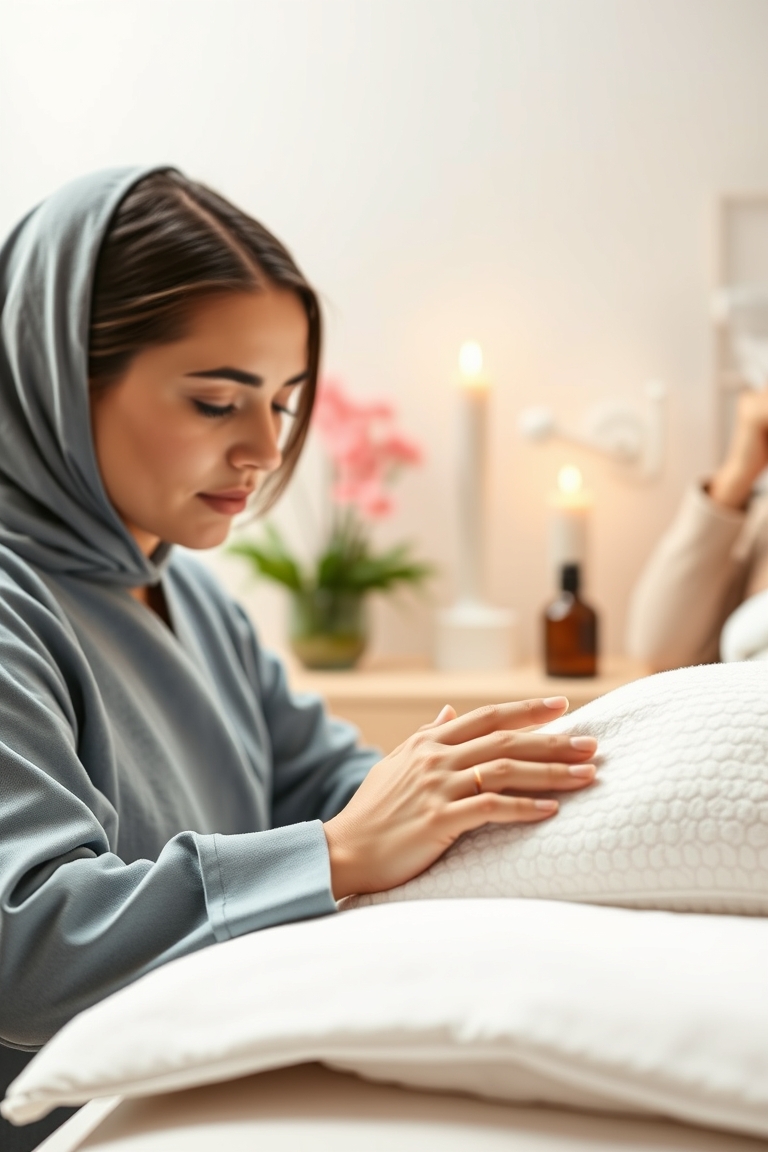
While you might think nails are a cosmetic concern, the ritual of a manicure or pedicure can be a mini‑spa that reduces stress. The act of caring for your nails—cleaning, filing, moisturizing—requires focus and gentle touch. This tactile engagement can serve as a form of body‑centered mindfulness.
Incorporate a simple self‑massage routine: use a small bottle of lotion or oil, apply to the hands, and massage the fingers and wrists. The movement stimulates circulation and releases tension.
For a deeper experience, consider a brief full‑body massage after you finish your nail routine. Even a 15‑minute session can trigger the release of endorphins, the body’s natural painkillers.
Nutrition: Fueling the Calm
What you eat directly affects your nervous system. Aim for foods that stabilize blood sugar and support neurotransmitters:
- Complex carbs: Oats, quinoa, and sweet potatoes keep serotonin levels steady.
- Lean protein: Chicken, fish, and beans provide amino acids for dopamine and norepinephrine.
- Healthy fats: Avocado, nuts, and olive oil supply omega‑3s that reduce inflammation.
- Hydration: Aim for 8–10 cups of water; dehydration can amplify cortisol.
Technology Detox: The 30‑Minute Rule
After work, give yourself a hard stop on devices. Set a timer for 30 minutes—no screens, no emails, no social media. Use this window for a phone‑free activity, like reading a paperback or sketching.
Sleep Hygiene: The Final Piece of the Puzzle
Quality sleep is the ultimate stress reliever. Here are quick tweaks:
- Consistent bedtime. Go to bed at the same time each night.
- Cool room. Keep the temperature between 60–67°F.
- Blackout curtains. Block out street lights and screens.
- Wind‑down ritual. A 20‑minute pre‑sleep routine signals your brain to prepare for rest.
Creative Outlets: Art, Music, and Movement
Engaging in creative activities can shift your brain from problem‑solving mode to flow mode. Pick one that fits your mood:
- Painting or doodling. Let colors flow without judgment.
- Playing an instrument. Even humming can release endorphins.
- Dance or yoga. Move your body to music or guided poses.
Social Connections: The Power of a Good Conversation
Human interaction can buffer stress. Schedule a short call or meet‑up with a friend or colleague. Even a 10‑minute chat can provide emotional relief.
When to Seek Professional Help
Learning how to relieve stress after work is a personal journey. However, if you notice chronic fatigue, persistent anxiety, or a sense that stress is overwhelming, it may be time to talk to a professional. A licensed therapist can help you develop coping strategies tailored to your unique situation.
For more information about stress and its effects, you can read the Wikipedia page on stress. It offers a comprehensive overview of the physiological and psychological aspects.
FAQ
1. How can I create a quick evening wind‑down routine? Start with a 5‑minute breathing exercise, followed by a 10‑minute walk, then finish with a 15‑minute self‑massage or manicure. Finish with a cup of chamomile tea and dim lighting.
2. What are the best decompress tips for a busy evening? Disconnect from devices for 15 minutes, practice progressive muscle relaxation, and set up a calm environment with soft music and essential oils.
3. Can a short spa routine really help me unwind? Yes. Even a 15‑minute self‑massage or a brief manicure can reduce cortisol levels and promote relaxation.
4. When should I consider seeing a therapist after work? If stress symptoms persist for more than a few weeks, interfere with daily life, or you feel unable to cope on your own.
5. How can I balance work, self‑care, and social life? Prioritize a 30‑minute technology detox, schedule a weekly creative activity, and set aside 10 minutes each day for meaningful conversation.
To learn more about how to relieve stress after work and explore additional self‑care practices, visit our wellness page for resources and guidance.
Leave a Reply