best self care routine for busy people is a cornerstone of sustainable health, especially when time is the most precious resource. In today’s fast‑paced world, many find themselves juggling work, family, and personal commitments, leaving little room for self‑nurture. However, a well‑structured routine can transform moments of chaos into pockets of calm, ensuring you remain energized and mentally sharp.
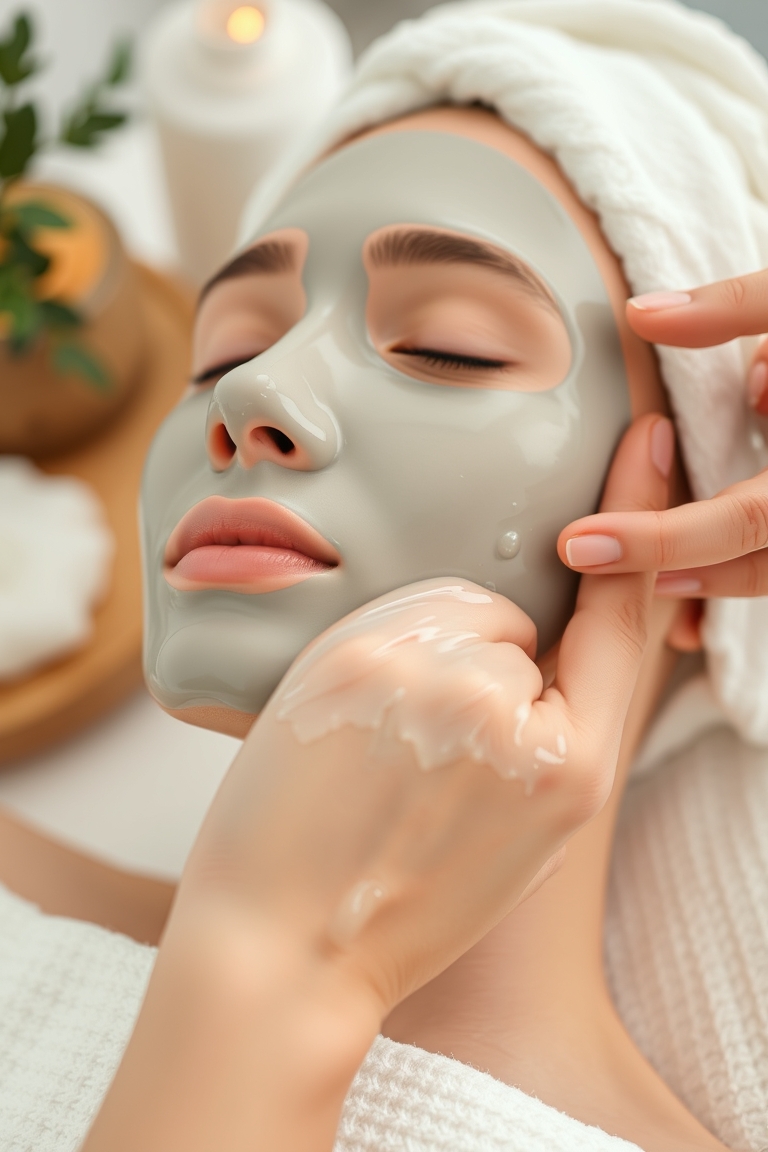
best self care routine for busy people: 7 Quick Steps
Below is a step‑by‑step framework that blends quick self care with simple self care ideas, tailored for a self care for busy schedule. Each step is designed to take no more than five to ten minutes, yet it delivers lasting benefits.
Step 1: Morning Mindful Pause – Quick Self Care
- Start your day with 3 minutes of breathing: inhale for four counts, hold for four, exhale for four.
- Set a positive intention for the day—write it down or say it aloud.
- Use this pause to check in with your body: notice any tension and release it gently.
Research shows that a brief morning meditation may improve focus and reduce stress throughout the day.


Step 2: Hydration Ritual – Simple Self Care Idea
- Keep a reusable water bottle at your desk; sip at least 200ml every hour.
- Flavor water with a slice of cucumber, lemon, or mint for a refreshing twist.
- Set a phone reminder to drink if you tend to forget.
Staying hydrated supports skin health, which is a key component of overall wellness.
Step 3: 5‑Minute Stretch – Self Care for Busy Schedule
- Perform a quick desk stretch: reach upward, twist side‑to‑side, and roll your shoulders.
- Incorporate a seated cat‑cow pose to ease lower back tension.
- Finish with a gentle neck release to relieve stiffness.
Regular movement may improve circulation and reduce the risk of repetitive strain injuries.
Step 4: Midday Recharge – Daily Self Care
- Take a 10‑minute walk outside; breathe in fresh air and observe nature.
- When you return, practice a short gratitude journal entry.
- Use this time to reset mental energy before the second half of your day.
Even a brief walk can boost mood and enhance cognitive function.
Step 5: Evening Wind‑Down – Quick Self Care
- Turn off screens 30 minutes before bed; replace them with a calming activity.
- Apply a gentle moisturizer to your hands and feet, enjoying the tactile sensation.
- Read a short chapter of a book or listen to soothing music.
Wind‑down rituals may improve sleep quality and support emotional health.
Step 6: Weekly Mini Retreat – Simple Self Care Idea
- Dedicate 30 minutes on the weekend to a hobby you love—painting, knitting, or gardening.
- Invite a friend or family member for a short catch‑up conversation.
- Reflect on the week’s achievements and set gentle goals for the next.
Regular creative or social engagement can foster a sense of purpose and reduce burnout.
Step 7: Consistent Sleep – Self Care for Busy Schedule
- Aim for 7–8 hours of sleep each night; keep a consistent bedtime routine.
- Use a sleep‑tracking app or a simple journal to monitor patterns.
- Limit caffeine after 2 p.m. to avoid nighttime wakefulness.
Quality sleep is foundational to physical recovery and mental resilience.
Customizing Your Routine
Every individual’s needs differ, so feel free to tweak the steps above. If you find a particular activity too time‑consuming, replace it with a shorter alternative or combine two steps into one.
Integrating Spa and Massage into Your Plan
- Schedule a monthly massage to release deep muscle tension; a 60‑minute session can be surprisingly restorative.
- Use a nail‑care routine at home—trim, file, and apply a quick polish—to keep your hands feeling polished and confident.
- Consider a facial or body wrap once a quarter to support skin renewal and detoxification.
These indulgences need not feel indulgent; they are practical extensions of daily self care that can be incorporated into a busy schedule.
Overcoming Common Obstacles
- Time scarcity: Treat self care as a non‑negotiable appointment; schedule it in your calendar.
- Procrastination: Pair a self care activity with a task you already enjoy.
- Guilt: Remember that caring for yourself is not selfish—it enhances your capacity to care for others.
Why Self Care Matters for Busy People
When you prioritize the best self care routine for busy people, you create a buffer against stress, improve physical health, and maintain emotional equilibrium. The cumulative effect of small, consistent actions can lead to transformative outcomes over time.
Resources and Further Reading
For a deeper dive into the science of self care, you can explore the Wikipedia page on self care, which offers a comprehensive overview of practices and benefits.
To explore more wellness options, you might visit our spa website for information on treatments that complement a daily self care routine.
FAQ
- What is the best self care routine for busy people? The best self care routine for busy people is one that fits into your schedule without adding stress—typically a series of short, intentional practices such as a morning breathing exercise, a hydration ritual, quick stretches, a midday walk, an evening wind‑down, a weekly hobby session, and consistent sleep.
- How can I incorporate quick self care into a hectic day? Identify moments that naturally break up your day—between meetings, during lunch, or before bed—and use those windows for brief activities like stretching, deep breathing, or applying a moisturizer.
- What simple self care ideas can fit into a 30‑minute slot? Simple self care ideas for a 30‑minute slot include a short walk, a gratitude journal entry, a facial mask, a quick manicure, or a guided meditation app session.
- Does self care for a busy schedule require expensive products? No, self care for a busy schedule can be achieved with low‑cost or no‑cost items—water, a reusable bottle, a journal, or a blanket for a cozy wind‑down.
- How do I keep my self care routine consistent? Treat self care like any other appointment: schedule it, set reminders, and hold yourself accountable by tracking progress in a journal or app.
Morning Rituals: Start Strong
While the initial breathing exercise is a great start, you can elevate your morning routine by adding a few more micro‑habits that set a positive tone for the day.
- Morning Hydration Boost: Keep a glass of water by your bed and drink it right after you wake up. Add a splash of lemon or a pinch of sea salt to support digestion.
- Sun‑Scented Skincare: Apply a lightweight, SPF‑protected moisturizer to shield your skin from UV rays. A quick 30‑second facial massage can boost circulation.
- Micro‑Movement: Do a 1‑minute body scan from head to toe, noticing any tension and consciously releasing it. This can be done while brushing your teeth.
These small additions can be done in under five minutes and help you feel more grounded before the day’s demands begin.
Midday Mindfulness: Reset & Recharge
Midday is often the most stressful part of the workday, but it’s also the perfect time to reset. Consider these practical techniques:
- Desk Yoga: Perform a 3‑minute sequence of seated forward folds, shoulder rolls, and chest openers. This helps counteract the effects of prolonged sitting.
- Power Nap: A 10‑minute nap (or a 20‑minute “power nap” with a gentle alarm) can significantly improve alertness. Use a sleep mask to block out light.
- Mindful Eating: If you have lunch at your desk, chew slowly and savor each bite. This practice reduces overeating and improves digestion.
Incorporating these practices into your lunch break can transform a mundane pause into a rejuvenating experience.
Evening Recovery: Wind Down & Sleep
Evening self care is essential for quality sleep. Below are actionable steps you can take before bedtime:
- Blue‑Light Block: Use a “night mode” setting on your devices or wear blue‑light‑blocking glasses. This reduces melatonin suppression.
- Gentle Stretch: Perform a 5‑minute stretch that focuses on the neck, shoulders, hips, and lower back. A gentle forward fold can release tension.
- Journaling Prompt: Write down three things you appreciated during the day. This practice promotes gratitude and reduces rumination.
- Warm Bath or Shower: A warm bath with Epsom salts or a shower with a calming essential oil can lower core body temperature, signaling your body that it’s time to sleep.
By combining these steps, you’ll create a consistent wind‑down routine that signals your body to transition into restful sleep.
Nutrition & Hydration: Fueling Self Care
Self care isn’t only about mental and physical rituals—it also involves what you feed your body. Here’s a quick guide:
- Balanced Breakfast: Aim for a meal that includes protein, healthy fats, and complex carbs—think Greek yogurt with berries and chia seeds.
- Snack Smart: Instead of sugary snacks, opt for nuts, fruit, or hummus with veggie sticks.
- Hydration Reminders: Pair your water bottle with a phone app that tracks intake or set hourly alarms to sip water.
- Limit Caffeine: After 2 p.m., switch to decaf or herbal tea to avoid sleep disruption.
Small nutritional choices can have a big impact on energy levels and mood.
Digital Detox: Mindful Tech Use
Our constant connection can drain us. Try these strategies to reclaim digital balance:
- Screen Curfew: Set an alarm for 30 minutes before bed to turn off all screens.
- Focused Work Blocks: Use the Pomodoro technique—25 minutes of focused work followed by a 5‑minute break—to reduce multitasking.
- Social Media Schedule: Allocate a specific time slot (e.g., 15 minutes in the evening) to scroll through feeds, limiting impulsive usage.
These habits help reduce mental clutter and improve overall well‑being.
Sleep Hygiene: Quality Rest
Good sleep is a cornerstone of self care. Here are actionable steps to improve sleep hygiene:
- Consistent Bedtime: Go to bed and wake up at the same time every day, even on weekends.
- Comfortable Environment: Keep your bedroom cool (around 65 °F), use blackout curtains, and invest in a supportive mattress.
- Pre‑Sleep Routine: Engage in a calming activity—reading, gentle stretching, or a warm beverage like chamomile tea.
- Mindfulness Practices: Use a guided meditation app or deep‑breathing exercises to calm the mind before sleep.
Consistent sleep habits reduce stress hormones and improve cognitive function.
Bodywork & Massage: Physical Relief
Incorporating bodywork into your routine can alleviate chronic tension and improve circulation. Here are practical options:
- Self‑Massage Tools: Use a foam roller or massage ball to target tight areas like the shoulders, calves, or lower back.
- Job‑Site Massage: If your workplace offers a massage chair, schedule a 10‑minute session during lunch.
- Professional Massage: Book a 60‑minute deep‑tissue massage once a month to address deeper muscle layers.
- Stretching Routine: Add a daily 5‑minute dynamic stretch focusing on the major muscle groups.
These interventions help prevent injury and support overall physical health.
Self Care on the Go: Portable Practices
When you’re traveling or on the move, self care can still be part of your day. Try these portable habits:
- Travel‑Size Skincare: Pack a mini moisturizer, lip balm, and a sheet mask to refresh your skin during flights.
- Breathing Apps: Use a meditation app with a 3‑minute guided breathing exercise to calm nerves on a train.
- Stretching Routine: Perform a seated hamstring stretch or neck rolls while waiting at a station.
- Hydration Reminder: Keep a reusable water bottle and set a reminder to sip every hour.
These small adjustments ensure you stay balanced, no matter where you are.
Tracking Progress: Accountability & Growth
Consistency is key, but it’s also helpful to track your progress. Here are simple tracking methods:
- Self‑Care Journal: Use a notebook or digital app to log daily practices and note how you feel.
- Habit Tracker: Apps like Habitica or Streaks let you set reminders and visualize streaks.
- Weekly Review: Set a recurring Sunday evening reminder to review what worked and adjust the plan.
Tracking helps you stay accountable and celebrate small victories.
Common Myths & Misconceptions
- Myth: Self care is selfish. Reality: By caring for yourself, you enhance your ability to support others.
- Myth: Self care requires a lot of time. Reality: Even 5‑minute practices can have a profound impact.
- Myth: You need expensive products. Reality: Natural ingredients and low‑cost tools are often more effective.
- Myth: Self care is only for relaxation. Reality: It also boosts productivity, creativity, and resilience.
- Myth: You can’t do self care on a busy schedule. Reality: The key is integration—making self care a non‑negotiable part of your day.
FAQ (Expanded)
- What is the best self care routine for busy people? The best self care routine for busy people is one that fits into your schedule without adding stress—typically a series of short, intentional practices such as a morning breathing exercise, a hydration ritual, quick stretches, a midday walk, an evening wind‑down, a weekly hobby session, and consistent sleep.
- How can I incorporate quick self care into a hectic day? Identify moments that naturally break up your day—between meetings, during lunch, or before bed—and use those windows for brief activities like stretching, deep breathing, or applying a moisturizer.
- What simple self care ideas can fit into a 30‑minute slot? Simple self care ideas for a 30‑minute slot include a short walk, a gratitude journal entry, a facial mask, a quick manicure, or a guided meditation app session.
- Does self care for a busy schedule require expensive products? No, self care for a busy schedule can be achieved with low‑cost or no‑cost items—water, a reusable bottle, a journal, or a blanket for a cozy wind‑down.
- How do I keep my self care routine consistent? Treat self care like any other appointment: schedule it, set reminders, and hold yourself accountable by tracking progress in a journal or app.
- Can I do self care if I have a full‑time job and family responsibilities? Absolutely. The key is to identify micro‑moments—like a 5‑minute stretch during a break or a 10‑minute walk after dinner—that fit naturally into your day.
- What if I feel guilty for taking time for myself? Remind yourself that self care is not selfish; it’s a necessary investment in your health, which in turn improves your ability to care for others.
- How can I avoid the “self care overload” trap? Focus on a few high‑impact activities rather than trying to do everything. Prioritize what feels most nourishing and let the rest fall away.
- Is it okay to skip a self care step when I’m short on time? Yes—adapt the routine. If you’re short on time, do a quick breathing exercise or a 2‑minute stretch instead of a full routine.
- What’s the best way to start a new self care habit? Pair it with an existing habit (e.g., do a breathing exercise right after brushing your teeth) and track it in a habit tracker to build momentum.
Leave a Reply