Introduction to the Urban Green Revolution
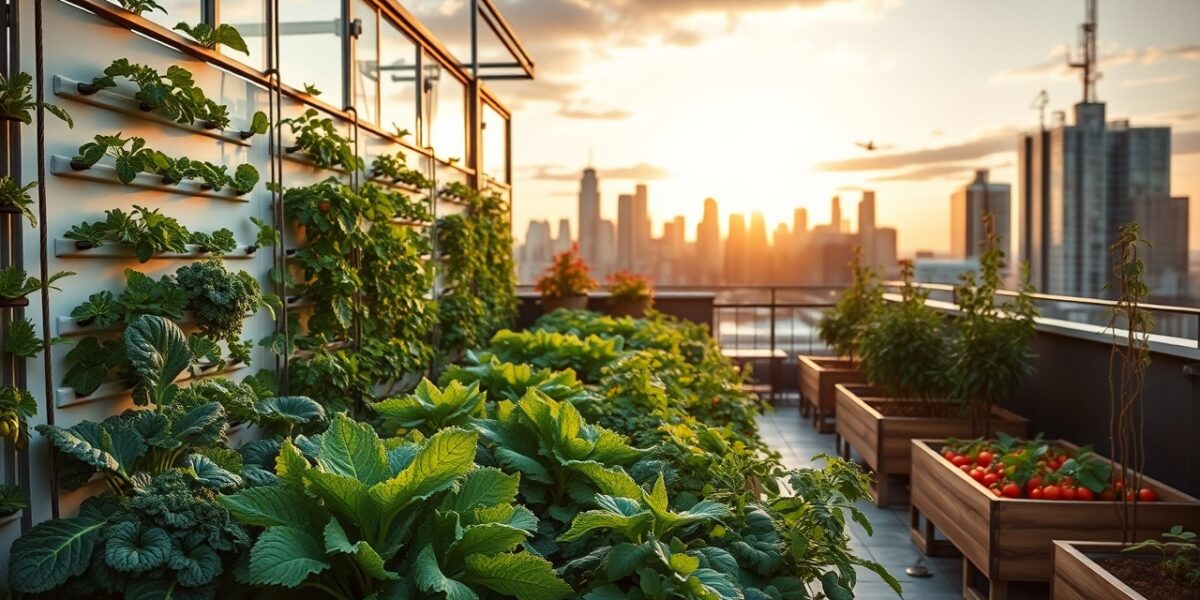
For decades, the concept of ‘farming’ was relegated to the rural outskirts, far removed from the smog and steel of the metropolitan center. However, a paradigm shift is occurring. Sustainable urban gardening is no longer just a hobby for those with a green thumb; it is a critical response to climate change, food insecurity, and the psychological toll of urban isolation. By transforming balconies, rooftops, and abandoned lots into productive green spaces, city dwellers are reclaiming their relationship with the earth.
Sustainable urban gardening is defined by the integration of ecological principles into the city environment. It isn’t merely about growing a tomato plant in a pot; it is about creating a closed-loop system that minimizes waste, maximizes biodiversity, and reduces the carbon footprint associated with industrial food transport.
The Core Pillars of Urban Sustainability
To truly implement a sustainable garden in an urban setting, one must focus on three primary pillars: resource efficiency, biodiversity, and soil health. Resource efficiency involves the clever use of water (such as rainwater harvesting) and energy. Biodiversity ensures that the garden supports local pollinators, such as bees and butterflies, which are often displaced by urban sprawl. Soil health focuses on the transition from synthetic fertilizers to organic matter, utilizing composting to turn kitchen waste into ‘black gold’.


Choosing Your Urban Gardening Method
Depending on your available space and budget, different methods of urban gardening may be more appropriate. The modern city gardener has an array of technological and traditional options at their disposal.
1. Container Gardening
The most accessible entry point for any urbanite is container gardening. Whether it is a windowsill box or a large terracotta pot on a patio, containers allow for precise control over soil quality and drainage. The key to success here is choosing the right vessel. Fabric pots, for instance, provide better aeration for roots than plastic pots, preventing root-bound plants and promoting healthier growth.
2. Vertical Gardening
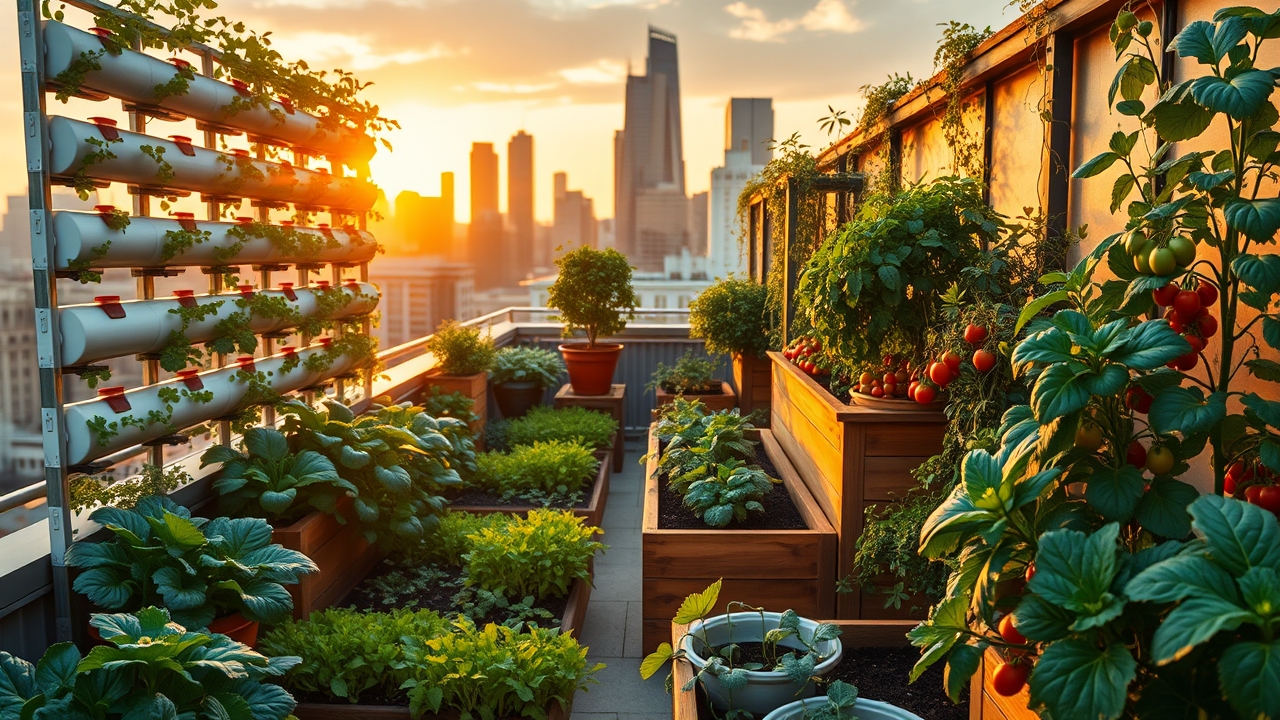
When horizontal space is limited, the only way to grow is up. Vertical gardening utilizes walls, fences, and trellises to maximize yield per square foot. Techniques include using wall-mounted planters, hydroponic towers, or simple climbing vines like peas and cucumbers. Vertical gardens not only provide food but also act as natural insulation for buildings, reducing cooling costs during the summer months.
3. Hydroponics and Aquaponics
For those with limited access to natural soil or those wanting to maximize growth rates, soil-less systems are ideal. Hydroponics involves growing plants in a nutrient-rich water solution. Aquaponics takes this a step further by integrating fish farming (aquaculture) with hydroponics. The fish waste provides organic nutrients for the plants, and the plants filter the water for the fish, creating a symbiotic, closed-loop ecosystem that uses up to 90% less water than traditional soil farming.
Mastering the Urban Soil and Nutrient Cycle
The biggest challenge in urban gardening is often the quality of the soil. City soil is frequently contaminated with heavy metals like lead or arsenic. Therefore, importing organic potting mixes or building raised beds is essential for safety.
The Magic of Urban Composting
Sustainability is rooted in the ability to recycle. Composting is the process of breaking down organic matter into a nutrient-dense amendment. In a small apartment, traditional compost piles are impractical, but alternatives like Vermicomposting (using red wiggler worms) or Bokashi (an anaerobic fermentation process) allow city dwellers to process food scraps without odors or pests. This not only reduces landfill waste but eliminates the need for chemical fertilizers that leach harmful nitrates into city waterways.
Natural Pest Management
In a sustainable garden, the goal is not to eradicate all insects, but to create a balance. Integrated Pest Management (IPM) involves using biological controls. For example, planting marigolds can deter nematodes, while attracting ladybugs can naturally control aphid populations. Avoiding synthetic pesticides is paramount, as these chemicals kill beneficial pollinators and can contaminate the very food you are trying to grow.
Water Conservation in the Concrete Jungle
Water is a precious resource, and in many cities, municipal water is treated with chlorine and fluoride, which can be harsh on sensitive plants. Sustainable gardeners employ several strategies to manage water efficiently.
- Rainwater Harvesting: Installing rain barrels to collect runoff from roofs provides a free, chlorine-free water source.
- Drip Irrigation: Instead of overhead watering, which leads to evaporation, drip systems deliver water directly to the root zone.
- Self-Watering Containers: These use a reservoir at the bottom to allow plants to wick up moisture as needed, reducing the frequency of watering and preventing over-saturation.
- Mulching: Applying a layer of organic mulch (like straw or shredded bark) helps retain soil moisture and suppresses weed growth.
Designing for Biodiversity and Pollinators
A sustainable garden should be more than a food factory; it should be a sanctuary. Urban areas often suffer from ‘habitat fragmentation,’ where green spaces are too far apart for pollinators to travel between. By planting native species, urban gardeners create ‘pollinator corridors’.
Incorporating a variety of flowering plants—such as lavender, borage, and zinnias—attracts bees, hoverflies, and butterflies. These insects are essential for the pollination of fruiting crops like squash and tomatoes. Furthermore, creating a small ‘insect hotel’ or leaving a patch of undisturbed soil can provide nesting sites for solitary bees, further boosting the local ecosystem’s resilience.
The Social and Psychological Impact of Urban Gardening
Beyond the environmental benefits, sustainable urban gardening offers profound psychological rewards. The act of nurturing a plant from seed to harvest provides a sense of agency and connection to the natural cycles of life, which is often lost in the digital noise of city living. This is frequently referred to as ‘therapeutic horticulture’.
Community Gardens and Social Cohesion
When individual gardening scales up to community gardens, the impact becomes social. Community gardens transform vacant, derelict lots into vibrant hubs of social interaction. They foster cross-generational mentorship, where elderly residents share traditional farming knowledge with younger generations. Moreover, these spaces often serve as ‘food forests’ for low-income neighborhoods, addressing the issue of ‘food deserts’ by providing fresh, organic produce to those who otherwise could not afford it.
Seasonal Planning and Crop Rotation
To maintain a sustainable garden year-round, one must plan according to the seasons. In urban environments, the ‘heat island effect’ often means that cities stay warmer than the surrounding countryside, potentially extending the growing season.
Crop Rotation and Companion Planting
Planting the same crop in the same spot year after year depletes specific nutrients from the soil and allows pests to build up. Crop rotation—switching between nitrogen-fixing plants (like beans) and nitrogen-consuming plants (like corn)—keeps the soil fertile. Companion planting is another powerful tool; for example, planting basil next to tomatoes can improve the flavor of the tomatoes and repel flies.
Overcoming Common Urban Challenges
Urban gardening is not without its hurdles. Space, light, and pollution are the primary obstacles.
Dealing with Low Light
Many city apartments suffer from limited sunlight due to towering buildings. For those with north-facing windows or shaded balconies, the solution is to choose ‘shade-tolerant’ crops. Leafy greens like spinach, kale, and lettuce, as well as herbs like mint and parsley, can thrive in partial shade. For those with no natural light, full-spectrum LED grow lights can simulate the sun’s rays, allowing for indoor farming regardless of the weather.
Managing Urban Pollution
Air pollution can settle on the leaves of urban plants. Regularly rinsing leaves with water can help the plant breathe (photosynthesize) more efficiently. Additionally, using raised beds with a barrier at the bottom prevents roots from absorbing toxins from the ground soil.
Conclusion: The Future of the Edible City
Sustainable urban gardening is more than a trend; it is a necessary evolution of urban living. As we face a future of increasing urbanization and climate instability, the ability to produce food locally and sustainably becomes a matter of resilience. By integrating vertical systems, composting, and biodiversity into our cityscapes, we do more than just grow food—we grow communities, we restore nature, and we breathe life back into the concrete jungle.
Whether you start with a single pot of basil on a windowsill or lead a movement to convert a city block into a community orchard, every green addition contributes to a healthier, more sustainable planet. The journey from consumer to producer begins with a single seed, planted in the heart of the city.
For further reading, see related references on Wikipedia.
Leave a Reply