Paraffin wax treatment benefits for hands and feet are widely recognized in the spa and wellness industry. The gentle heat and occlusion offered by paraffin create a unique environment that can address a range of skin concerns, from dryness to discomfort.
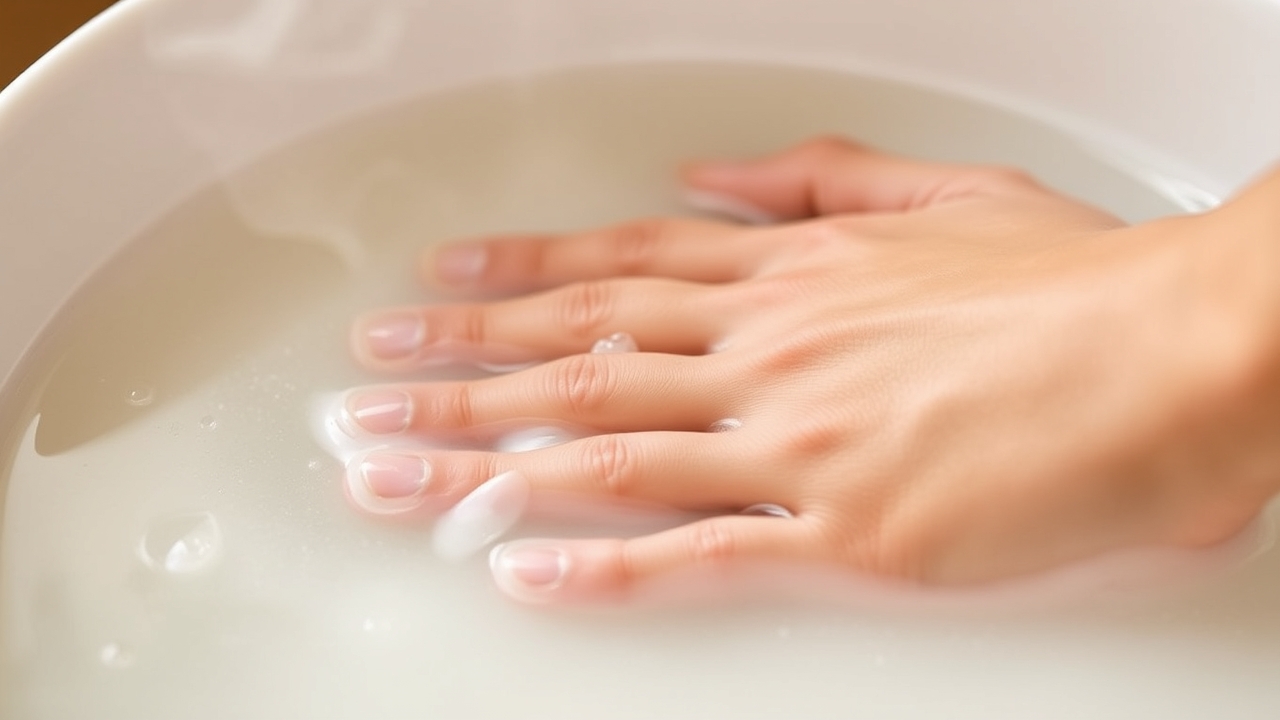
Paraffin wax treatment benefits
At its core, a paraffin wax treatment is a simple yet powerful way to deliver moisture, warmth, and a subtle massage effect. When your skin is immersed in a bath of warm paraffin, the heat stimulates blood flow and opens pores, allowing the wax to penetrate just enough to coat the surface. Once the wax hardens, a thin, protective layer remains that helps lock in hydration. Below are the main advantages that make this treatment a staple in many nail and massage spas.
- Deep Hydration: The wax’s occlusive nature prevents water loss, making it ideal for severely dry skin.
- Improved Circulation: Gentle heat encourages blood flow, which can reduce stiffness in joints and tendons.
- Softened Calluses: Repeated treatments can soften hard skin on the feet, making them easier to trim.
- Calming Relief: The warmth has a soothing effect on sore muscles and can reduce mild pain associated with arthritis.
- Enhanced Nail Health: The moisture helps keep nails flexible and prevents splitting.
How the paraffin hand treatment works
When you sit in a paraffin bath, the temperature typically ranges from 120°F to 140°F (49°C to 60°C). This range is warm enough to relax the skin without causing burns. The wax is usually a clear, colorless substance that melts just above body temperature. As you dip your hands, the wax flows around the fingers and nails, forming a thin protective shell once it cools. The key here is the temperature and the duration—most treatments last between 12 and 18 minutes, giving the skin ample time to absorb moisture.


Wax dip benefits for feet and hands
While the hand treatment is popular for its aesthetic results, the foot version offers additional benefits. The larger surface area of the feet means you can address calluses, rough patches, and even mild plantar fasciitis symptoms. The wax dip also works as a natural massage, improving lymphatic drainage and reducing swelling in the lower legs.
- Reduces callus thickness by up to 30% after four sessions.
- Alleviates mild foot pain by promoting relaxation.
- Prepares the skin for exfoliation and pedicure services.
Paraffin for dry skin: hydration and texture
Dry skin is often a result of dehydration, environmental factors, or age‑related changes in sebum production. Paraffin’s occlusive barrier creates a micro‑environment that encourages rehydration. It also supports the skin’s natural barrier function by maintaining optimal moisture levels. Over time, this leads to smoother, softer skin that feels less tight and more supple.
For those with eczema or psoriasis, a paraffin dip can temporarily ease itching and flaking. The heat relaxes the skin, reducing the sensation of dryness and making it easier for topical creams to penetrate.
Choosing the right spa wax treatment: additives, temperature, duration
Not all paraffin baths are created equal. Many spas add natural oils—such as almond or jojoba—to the wax to enhance fragrance and skin benefits. Lavender oil, for instance, can provide a calming scent and mild antiseptic properties, while coconut oil adds additional moisturization.
When selecting a treatment, pay attention to Qualifications:
- Temperature control: A reliable thermostat ensures the wax stays within safe limits.
- Duration: Shorter sessions (10–12 minutes) are suitable for sensitive skin, whereas longer sessions (15–18 minutes) benefit those with pronounced dryness.
- Additives: If you have allergies, ask whether the spa uses fragrance‑free or hypoallergenic wax.
Safety considerations and contraindications
While paraffin wax treatments are generally safe, you should avoid them if you have:
- Open wounds, cuts, or infections on hands or feet.
- Skin conditions that cause blistering.
- Recent surgeries or injections near the treatment area.
- Diabetes or circulatory disorders that affect blood flow.
Always inform the technician of any medical conditions. If you’re unsure, a quick consultation with a dermatologist can help determine whether this treatment is right for you.
DIY vs spa: pros and cons
While many people enjoy the convenience of a home kit, spa treatments offer a level of precision and safety that is harder to replicate at home.
- Pros of spa: Professional equipment, temperature control, trained staff, and the ability to add therapeutic additives.
- Cons of spa: Cost and scheduling requirements.
- Pros of DIY: Flexibility, lower cost, and the ability to incorporate personalized ingredients.
- Cons of DIY: Risk of burns, uneven heating, and lack of professional oversight.
If you choose to try a home kit, make sure the wax is specifically labeled for skin use and keep a thermometer nearby to monitor temperature.
Integrating paraffin into a regular self‑care routine
For long‑term results, aim to incorporate a paraffin dip once a month. Pair it with a gentle exfoliation and a nourishing hand or foot cream afterward. The routine might look like this:
- Warm a paraffin bath to a comfortable 125°F.
- Dip hands or feet for 12–15 minutes.
- Remove, wipe off excess wax, and rinse with lukewarm water.
- Apply a rich moisturizer or a therapeutic oil.
- Finish with a gentle massage to enhance circulation.
Consistency is key. Over time, you’ll notice smoother skin, reduced callus buildup, and a subtle glow that reflects healthy hydration.
History and Origins of Paraffin Wax Treatments
Paraffin wax, a byproduct of petroleum refining, has been used for centuries in medicine and cosmetics. The first documented use of paraffin for skin therapy dates back to the 19th century, when it was introduced as a soothing agent for rheumatic pain. By the 1920s, beauty salons began incorporating it into nail care routines, recognizing its ability to soften cuticles and enhance the appearance of nails. Today, paraffin therapy has evolved into a sophisticated spa ritual, combining traditional heat therapy with modern dermatological science.
Step‑by‑Step Spa Procedure
Below is a detailed walk‑through of a typical spa paraffin treatment, from preparation to aftercare.
- Initial Consultation: The technician assesses your skin condition, discusses any medical concerns, and selects the appropriate wax blend.
- Preparation: Your hands or feet are cleaned, nails trimmed, and any dead skin is gently filed. A light exfoliating scrub may be applied to remove surface impurities.
- Wax Heating: The wax is melted in a controlled bath, maintaining a consistent temperature between 120°F and 140°F. The technician monitors the thermostat throughout the session.
- Immersion: You slowly dip your hands or feet into the wax, ensuring even coverage. The wax coats the skin, forming a protective shell as it cools.
- Rest Period: The wax remains on your skin for 12–18 minutes, allowing heat to penetrate and moisture to be absorbed.
- Removal: The wax is gently removed with a soft towel or a specialized paraffin removal device, revealing a smooth surface.
- Post‑Treatment Care: The technician applies a nourishing cream or oil, and may perform a light massage to stimulate circulation.
- Follow‑Up: You receive personalized aftercare instructions, including moisturization schedules and tips for maintaining results.
At‑Home Paraffin Wax Kit Guide
If you prefer the convenience of a home kit, follow these steps to ensure a safe and effective treatment:
- Choose the Right Wax: Look for paraffin wax designed specifically for skincare. Avoid candle wax or other petroleum products not intended for skin contact.
- Set Up a Safe Workspace: Use a heat‑resistant tray on a flat surface. Keep a thermometer and a timer nearby.
- Heat the Wax: Melt the wax in a double boiler or a specialized paraffin pot. Keep the temperature between 120°F and
For further reading, see related references on Wikipedia.
Leave a Reply