When the office lights dim, the body and mind still carry the weight of the day. The transition from a high‑pressure environment to a state of calm is rarely automatic. By carving out a deliberate, sensory‑rich routine, you signal to your nervous system that the workday has ended and a restorative phase is beginning.
1. The Transition Pause
Instead of rushing straight into dinner or scrolling through emails, carve out a five‑minute buffer. Step outside, feel the air, and let the city’s hum shift from a work soundtrack to a gentle backdrop.
2. Breathwork: The Parasympathetic Switch
Deep diaphragmatic breathing is a low‑tech yet powerful reset button. Try the 4‑4‑6 pattern: inhale through the nose for four counts, hold for four, exhale through the mouth for six. Repeat eight times. The rhythmic exhale activates the vagus nerve, lowering heart rate and cortisol.


3. Quick Walk or Stretch
A brisk ten‑minute walk around the block or a short at‑home stretch routine releases muscle stiffness and increases circulation. If time is scarce, a series of seated hip‑openers or shoulder rolls can suffice.
4. Gentle Massage Ritual
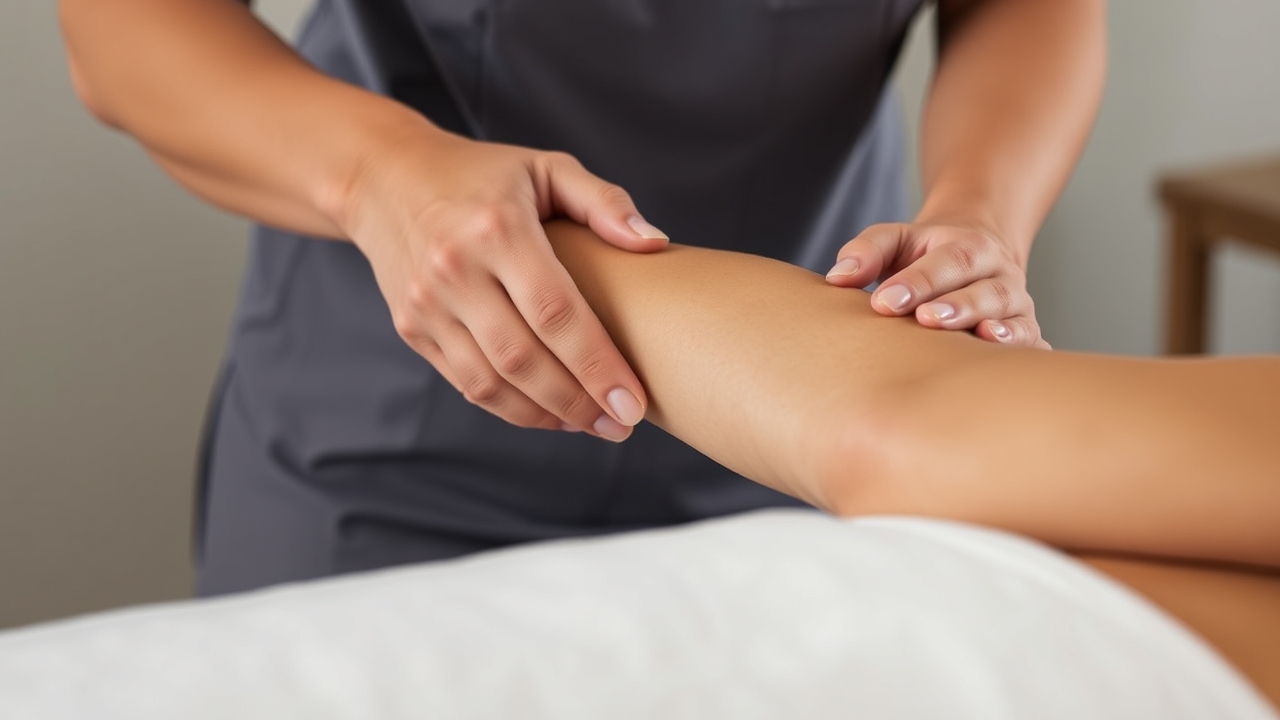
Massage is the bridge between movement and relaxation. With a light lotion or a few drops of jojoba oil, follow this sequence:
- Shoulders: knead in a clockwise motion for 30 seconds on each side.
- Neck: use fingertips to circle the base of the skull, avoiding the spine.
- Forearms: glide from wrist to elbow, alternating back and forth.
The goal is a subtle release, not a deep tissue overhaul.
5. Nail Care as Mindful Practice
A quick manicure turns a routine into a moment of presence. Apply a protective base coat, gently clean under the nail with a soft brush, then seal with a clear topcoat. The tactile focus diverts the mind from lingering work thoughts.
6. Aromatherapy and Lighting
Scents shape mood. Diffuse lavender or chamomile, dim the lights to a warm amber, and light a soy candle scented with vanilla. The combination lowers perceived stress and prepares the body for sleep.
7. Digital Detox
Set your phone to “Do Not Disturb” for at least an hour after dinner. Replace the screen with a paper planner or a journal. Write down three tasks for the next day—this clears mental clutter and reduces anticipatory anxiety.
8. Guided Meditation or Mindfulness
Apps like Insight Timer or free YouTube sessions offer 5‑ to 10‑minute guided meditations. Focus on breath or a simple mantra, notice sensations without judgment, and gently return to normal activity when the session ends.
9. Warm Bath or Shower
Water temperature between 38–40°C (100–104°F) increases blood flow and relaxes muscles. Add a handful of Epsom salt or a few drops of essential oil for an extra layer of calm.
10. Light Dinner and Hydration
A balanced plate—lean protein, healthy fats, and complex carbs—stabilizes blood sugar and supports restful sleep. Pair with a cup of chamomile tea or warm water with lemon to aid digestion.
11. Sleep Hygiene
Consistency signals the body to wind down. Keep the bedroom cool (around 18°C/65°F), dark, and quiet. Avoid caffeine after 2 p.m. and reserve the final 30 minutes for gentle stretching or reading.
12. Additional Techniques
- Music Therapy: Play a playlist of low‑tempo instrumental tracks; the rhythm can entrain breathing patterns.
- Tea Ritual: Brew a small pot of green tea, sip slowly, and let the aroma fill the room.
- Mindful Listening: Close your eyes and focus on ambient sounds—rain, distant traffic, a ticking clock—without labeling them.
- Progressive Muscle Relaxation: Tense each muscle group for five seconds, then release; work from toes to head.
- Cognitive Reframing: Write one positive outcome from a challenging meeting; this shifts perspective and reduces rumination.
13. Sample Schedule
- 6:30 p.m. – Quick walk or stretch (10 min)
- 6:45 p.m. – Breathwork (5 min)
- 7:00 p.m. – Light dinner + hydration (30 min)
- 7:45 p.m. – Massage & nail care (20 min)
- 8:15 p.m. – Aromatherapy + dim lighting (10 min)
- 8:25 p.m. – Guided meditation (10 min)
- 8:35 p.m. – Warm bath (15 min)
- 9:00 p.m. – Journaling or reading (20 min)
- 9:20 p.m. – Sleep hygiene routine (prepare for bed)
- 9:30 p.m. – Lights out
Feel free to swap activities or adjust timing to match your commute, family duties, or personal energy peaks.
14. Why These Practices Matter
After a demanding day, the body’s stress response—elevated heart rate, muscle tension, cortisol spikes—can linger. The techniques above target multiple systems:
- Breathwork and meditation engage the parasympathetic nervous system.
- Massage and stretching relieve muscular tension.
- Warm water and aromatherapy influence the endocrine system and mood.
- Digital detox and sleep hygiene break the cycle of overstimulation.
Collectively, they establish a healthier baseline for stress management without replacing professional care when needed.
15. Integrating Spa Visits
Occasional professional treatments—full‑body massages, hydrotherapy, or specialized nail services—offer a deeper dive into relaxation. Schedule a weekend or a day off for a 30‑minute session to reinforce the habit of self‑care.
16. Internal Resource
To explore additional ways of creating a peaceful home environment, visit our spa services page. These offerings complement your personal routine and provide a sanctuary when you need a full reset.
17. FAQs
- Can I relieve stress after work alone? Yes. Breathing, stretching, massage, and aromatherapy are all self‑administered.
- What if I have no time after work? Even a five‑minute breathing exercise or a quick walk can lower stress. Consistency beats length.
- Can I combine massage and nail care? Absolutely. A brief nail trim followed by a gentle hand massage is a delightful wind‑down.
- Is aromatherapy safe for everyone? Most essential oils are safe when used sparingly. Those with respiratory conditions should consult a professional before use.
- How often should I visit a professional spa? A monthly or quarterly visit offers a meaningful reset and supports your underscore routine.
By weaving these practices into your evening, you create a reliable pathway to calmness, better sleep, and overall well‑being. The more often you practice, the more ingrained these habits become, allowing you to manage stress and thrive both at work and at home.
For a deeper dive into stress‑relief strategies, check out Healthline’s guide to stress relief—a reputable resource that expands on many of the techniques mentioned here.
Leave a Reply