Mani pedi self care benefits extend beyond a polished look, offering tangible improvements to both physical and emotional well‑being. In the same way a good night’s sleep or a balanced meal can lift your mood, a well‑planned mani‑pedi routine can become a cornerstone of holistic self‑care.
Mani Pedi Self Care Benefits: Why It Matters
When you step into a quiet space and focus on the delicate work of shaping nails, you’re engaging in a ritual that has been part of human culture for centuries. The Manicure has evolved from a status symbol to a practical tool for grooming and health. By treating your hands and feet with care, you can:
- Improve nail strength and reduce brittleness.
- Encourage circulation and reduce swelling.
- Boost confidence through a polished appearance.
- Create a moment of mindfulness that breaks the cycle of constant activity.
Physical Touch and Circulation
Gentle massaging of the hands and feet stimulates blood flow, which may help reduce tension and improve the overall health of skin and nails. The same principles apply to the body: touch is a natural way to soothe nerves and promote a sense of safety.


Emotional Reassurance
When you see a freshly painted nail, you often feel a quick surge of positivity. That small visual cue can remind you that you’ve taken time for yourself—a powerful message that you deserve care and attention.
Integrating Mani Pedi into Your Pampering Routine
Many people believe that self‑care is about indulgence, but it’s really about intentionality. A mani‑pedi routine can fit into a busy schedule if you break it into manageable steps. Here’s how to weave it into your daily or weekly life:
- Set a Dedicated Time: Even a 15‑minute session can bring noticeable benefits. Schedule it when you’re most relaxed, such as after a shower or before bed.
- Use Mindful Breathing: Pair the routine with deep breaths. Inhale for four counts, hold for four, exhale for four. This simple exercise reduces cortisol and enhances the feeling of calm.
- Choose Your Palette: Pick colors that resonate with your mood—soft pastels for tranquility, bold hues for confidence.
- Reflect on Your Goals: Ask yourself what you want to achieve: improved nail health, a boost in confidence, or simply a moment of stillness.
Nail Care Self Care: Maintaining Strong, Healthy Nails
Beyond the aesthetic, a mani‑pedi routine supports nail integrity. Here are key practices that help keep nails resilient:
- Trim Regularly: Cutting nails straight across and then gently filing the edges prevents snagging and breakage.
- Moisturize Cuticles: Applying a light oil or a commercial cuticle cream keeps the skin supple and reduces the risk of hangnails.
- Limit Exposure to Harsh Chemicals: Use gloves when cleaning or washing dishes, and choose nail polish removers that are acetone‑free if you’re prone to dryness.
- Give Nails a Break: Alternate between natural nails and polish to allow the nail bed to breathe.
Manicure Pedicure Wellness: The Skin Connection
The skin on your hands and feet is often overlooked. A mani‑pedi routine can:
- Exfoliate dead skin cells, revealing smoother skin.
- Hydrate the skin, especially after exposure to water or cold.
- Reduce the appearance of calluses and rough patches.
Stress Relief and Mental Health Benefits
Touch is a powerful therapeutic tool. The gentle strokes involved in a mani‑pedi can trigger the release of serotonin and oxytocin—neurochemicals associated with relaxation and bonding. Even a short session can lower heart rate and create a sense of grounding. Using essential oils, such as lavender or eucalyptus, can enhance the calming effect. Incorporating a brief meditation or gratitude practice during the routine can amplify its mental health impact.
Choosing the Right Products and Tools
Having the correct tools is essential for a safe and effective mani‑pedi. Below is a quick guide to the most common items and how to use them.
Nail Files and Buffers
- Use a coarse file (80–100 grit) only for shaping; switch to a fine file (400–600 grit) for smoothing.
- Buffers help maintain shine without cutting the nail surface.
Cuticle Oils and Creams
- Choose products with jojoba, vitamin E, or almond oil for maximum hydration.
- Apply a thin layer, massage gently, and leave for 5–10 minutes before rinsing.
Polishes and Removers
- Opt for non‑acetone removers to prevent nail brittleness.
- Consider shellac or gel polish for longer wear, but give your nails a break every 4–6 weeks.
DIY vs Professional: When to Call a Pro
While a home routine can cover most needs, certain situations call for professional attention.
Benefits of Professional Services
- Advanced treatments such as paraffin wax, French manicure, or foot massage.
- Expert advice on nail health issues and product recommendations.
- Time savings—especially useful for those with tight schedules.
Cost vs Time Savings
Professional appointments typically cost between $30–$80, but the value comes from the expertise and the peace of mind that comes with a flawless finish. For many, the investment is worth the confidence boost and the chance to learn proper techniques.
Seasonal Nail Care: Adapting Your Routine
Weather changes affect skin hydration and nail health. Adjusting your routine seasonally can keep your nails looking their best.
Winter: Hydration and Protection
- Use richer creams and apply a thin layer of cuticle oil after each wash.
- Wear gloves while doing chores and avoid prolonged exposure to cold water.
- Choose nail polishes with added moisturizers.
Summer: UV Protection and Quick Fixes
- Apply a UV‑blocking base coat before any polish.
- Keep a travel-sized hand cream for on‑the‑go hydration.
- Replace polish every 7–10 days to avoid yellowing from sun exposure.
Common Mistakes to Avoid
Even small errors can compromise nail health. Here are the most frequent pitfalls:
Over‑filing
Filing too aggressively can thin the nail plate, making it more prone to breakage. Always file in one direction and stop when you feel resistance.
Neglecting Cuticle Care
Cuticles protect the nail bed. Pushing them back too hard or cutting them can lead to infection. Use a cuticle pusher and apply oil before any pressure.
Using Harsh Chemicals
Acetone and harsh detergents strip natural oils. Switch to acetone‑free removers and wear protective gloves during household chores.
Budget‑Friendly Self‑Care Hacks
You don’t need expensive products to enjoy a pampering session. These hacks keep costs low while delivering quality results.
Homemade Scrubs
- Mix 1 part sugar or salt with 1 part coconut oil and a few drops of essential oil.
- Apply in a circular motion, rinse, and pat dry.
Repurposing Household Items
- Use a clean toothbrush for gentle callus removal.
- Apply a small amount of petroleum jelly to protect fingertips when using harsh cleaners.
Mindful Practices to Enhance the Experience
Combining mindfulness with nail care amplifies the therapeutic benefits. Here are simple practices to try.
Guided Meditation
- Play a 5‑minute guided meditation track while you work on your nails.
- Focus on the sensations of touch and the rhythmic motions.
Journaling During the Routine
- Keep a small notebook nearby and jot down thoughts or gratitude lists.
- Reflect on how the routine makes you feel and any insights that arise.
Practical Steps for a Home Mani Pedi Self‑Care Routine
Below is a step‑by‑step guide that you can follow at home. You’ll need a few basic tools: a nail file, cuticle pusher, gentle nail polish remover, moisturizer, and a small bowl of warm water with a few drops of essential oil.
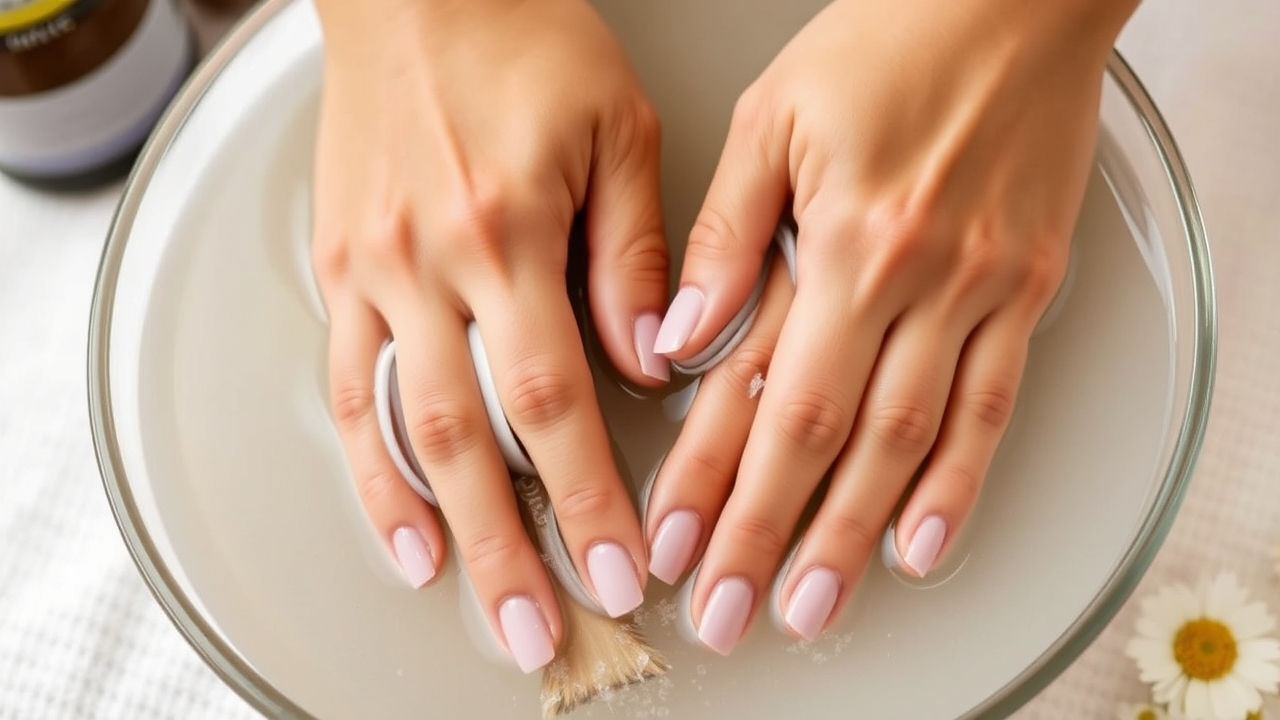
- Soak: Fill a bowl with warm water, add a few drops of your favorite essential oil, and soak your hands and feet for 5–10 minutes. This softens the skin and cuticles.
- Trim and File: Trim nails to your desired length, then file them in one direction to avoid splitting.
- Push Back Cuticles: Gently push back cuticles with a cuticle pusher. If you feel pain, stop and moisturize instead.
- Exfoliate: Use a gentle scrub or a homemade sugar–oil blend to remove dead skin cells.
- Moisturize: Apply a nourishing hand or foot cream, massaging gently to promote circulation.
- Polish: Apply a base coat, two thin layers of your chosen polish, and a top coat. Allow each layer to dry fully before adding the next.
- Final Massage: Finish with a short massage of the hands and feet, using a light oil to seal in moisture.
When to Seek Professional Care
While a home routine can cover most needs, certain situations call for professional attention:
- Persistent nail infections or discoloration.
- Severe dryness or cracking that does not improve with moisturizers.
- Large calluses or plantar warts that require specialized removal.
- Any pain or swelling that persists after self‑care.
Professional services can provide advanced treatments and personalized advice. If you’re interested in exploring a full spa experience, you can our spa services offer a range of manicures, pedicures, and massage therapies designed to complement your self‑care routine.
Frequently Asked Questions
What are the mani pedi self care benefits for mental health?
Regularly engaging in a mani‑pedi routine can help reduce anxiety by creating a predictable, calming ritual. The tactile stimulation and visual satisfaction of polished nails can boost serotonin levels and provide a sense of accomplishment. Over time, the routine becomes a mental anchor, reminding you that self‑care is a priority.
How often should I do a mani pedi at home?
Most people find a bi‑weekly routine effective. If you have particularly dry skin or brittle nails, you might benefit from a weekly session. Adjust frequency based on your nail growth rate and skin hydration needs.
Can I use acrylic nails and still enjoy mani pedi self care benefits?
Acrylics can be part of a self‑care routine if you give your natural nails regular breaks. Remove acrylics gently and treat the underlying nail bed with moisturizers and light polish to maintain health. Avoid leaving acrylics on for more than 3–4 weeks to prevent damage.
Is there a risk of over‑exfoliating during a mani pedi?
Yes, harsh scrubbing or excessive filing can damage the nail bed. Use gentle tools and limit exfoliation to once a month if you have sensitive skin. Always follow up with a deep moisturizer to replenish lost oils.
What essential oils are best for a relaxing mani pedi?
Lavender, chamomile, and eucalyptus are well‑known for their calming properties. Add a few drops to your soaking water or use them in a light massage oil. For a subtle citrus lift, try a drop of orange or bergamot.
How can I keep my polish from chipping?
Apply a thin base coat, two thin layers of polish, and a top coat. Let each layer dry completely before adding the next. Finish with a quick top‑coat touch‑up after 24 hours to seal the edges. Using a nail buffer before the first coat can also improve adhesion.
What should I do if I develop a fungal infection?
Stop using nail polish and treat the affected nails with an over‑the‑counter antifungal cream or spray. Consult a dermatologist if symptoms persist. Maintain proper foot hygiene and keep nails trimmed to reduce moisture buildup.
Can I use the same products for both hands and feet?
While many moisturizers work for both, feet often benefit from thicker creams due to heavier foot skin. Use a rich foot cream for feet and a lighter hand lotion for hands to avoid over‑occlusion.
What is the best way to store nail polish?
Keep polishes in a cool, dry place away from direct sunlight. Rotate your colors regularly to keep them fresh. If a bottle feels thicker, gently shake it or warm it in a cup of warm water for a few minutes before use.
Is it safe to use nail polish remover on children’s nails?
Use acetone‑free removers and apply with a cotton pad to avoid skin irritation. Children’s nails grow faster, so keep them trimmed and moisturized to prevent brittleness. If you’re concerned, consult a pediatrician for safe nail care practices.
Leave a Reply