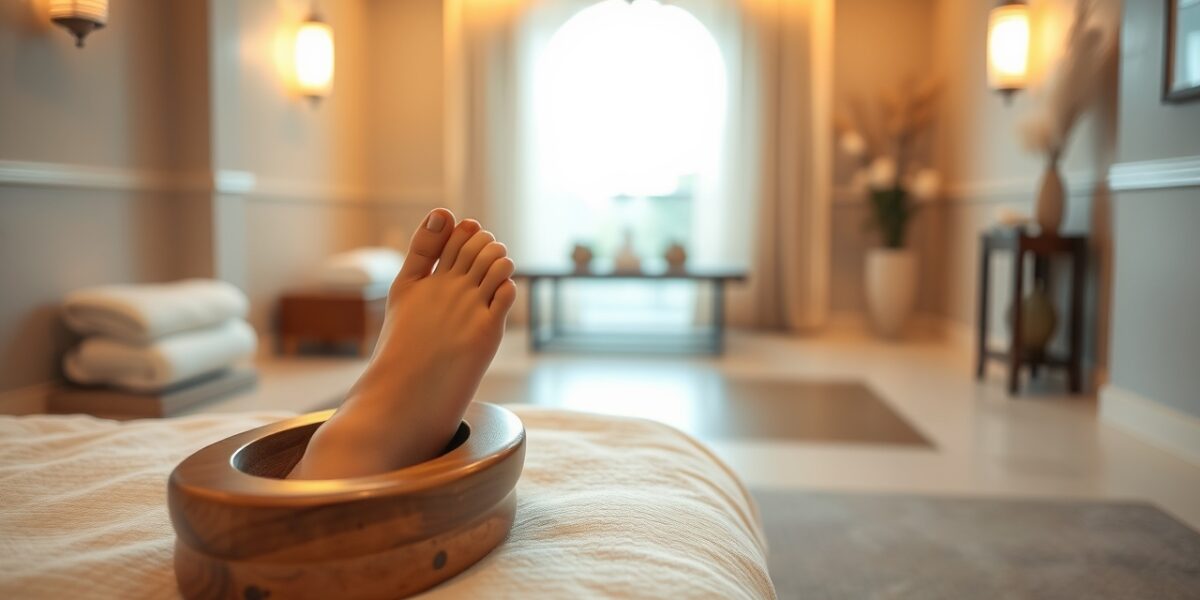
Benefits of a foot massage may bring immediate relief and long‑term wellness to both feet and overall health. The practice of massaging the soles of the feet has been cherished across cultures for centuries, often serving as a gateway to holistic rejuvenation.
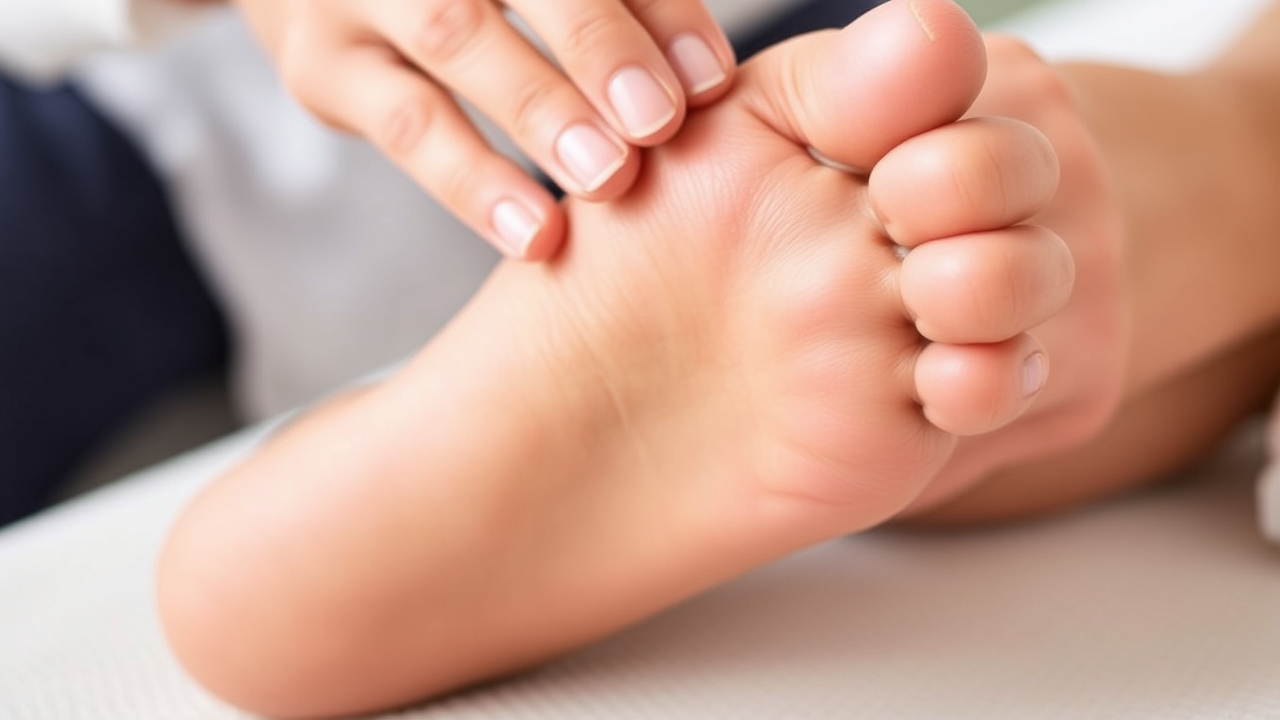
Historical Context of Foot Massage
Foot massage is one of the oldest therapeutic practices documented in human history. Ancient Egyptian papyri from 3000 BCE reference “foot rubbing” as a method for treating foot pain and improving circulation. In traditional Chinese medicine, the foot is considered the mirror of the entire body, and reflexology emerged as a systematic approach to stimulate health via specific pressure points. The Greeks and Romans also employed foot rubs in their bathhouses, believing that the practice helped balance the body’s humors. Modern Western medicine adopted foot reflexology in the early 20th century, and today it is practiced worldwide in spas, hospitals, and home settings.
Scientific Evidence Supporting Foot Massage
While many benefits of foot massage are anecdotal, several studies provide empirical support:


- Improved Circulation: A 2011 randomized controlled trial published in the Journal of Alternative and Complementary Medicine demonstrated that a 30‑minute foot massage increased blood flow in the lower extremities by 18% in healthy adults.
- Stress Reduction: Research from the University of Texas found that participants who received a 15‑minute foot massage reported a 30% reduction in cortisol levels compared to a control group.
- Pain Relief: A systematic review in 2018 concluded that foot reflexology can reduce chronic pain, particularly in conditions such as plantar fasciitis and lower back pain.
- Sleep Quality: A 2020 study in the Sleep Medicine Reviews showed that individuals who performed nightly foot massages experienced a 25% increase in REM sleep duration.
While more research is needed to fully understand the mechanisms, these findings reinforce the role of foot massage as a complementary therapy for overall wellness.
Foot Massage Techniques for Different Goals
Basic Foot Rub
This gentle technique is ideal for beginners and those seeking relaxation. Use your thumbs and fingertips to apply slow, circular strokes along the arch, heel, and ball of the foot. Maintain a steady rhythm and adjust pressure to your comfort level.
Reflexology
Reflexology focuses on specific points that correspond to organs and systems. Use a combination of thumb pressure and gentle kneading to stimulate these points. Key areas include:
- Heel: Kidney and lower back
- Arch: Digestive tract
- Ball: Heart and lungs
- Toes: Brain and head
For a deeper dive into reflexology principles, consult the Reflexology page on Wikipedia.
Shiatsu Foot Massage
Shiatsu, a Japanese technique, uses finger pressure along meridian lines. Focus on the “Yin” and “Yang” points along the foot’s length. Apply moderate pressure, holding each point for 5–10 seconds before releasing.
Earlobe & Toe Stretching
Stretching the toes and gently pulling the earlobe can release tension in the plantar fascia and calf muscles. This is especially beneficial for athletes and people who stand for long periods.
Tools and Accessories to Enhance Your Massage
Foot Spa & Warm Water Soak
Soaking your feet in warm, scented water for 10–15 minutes before massage increases blood flow and softens tissues. Add Epsom salts or essential oils for added relaxation.
Foot Roller & Massage Balls
Silicone foot rollers target the arch, while tennis or lacrosse balls can be rolled under the foot to trigger reflex points. Use a steady, rhythmic motion, pausing on tender spots for 30–60 seconds.
Warm Compress & Cooling Gel
Apply a warm compress after the massage to keep muscles relaxed. For individuals with inflammation, a cooling gel can reduce swelling and provide analgesic relief.
Foot Cream & Massage Oil
Choose a fragrance‑free, hypoallergenic lotion or oil to reduce friction. Natural oils like jojoba, almond, or coconut provide nourishment and a silky glide.
Safety Considerations and Contraindications
When to Avoid Foot Massage
- Open Wounds or Infections: Massage can spread bacteria.
- Severe Peripheral Neuropathy: Excessive pressure may cause discomfort.
- Acute Inflammation: Massage can worsen swelling.
Precautions for Specific Conditions
- Diabetes: Check for numbness and avoid deep pressure.
- Pregnancy: Avoid deep heel pressure and keep the session short.
- Arthritis: Use gentle strokes and avoid joint irritation.
Personalizing Your Routine
Frequency & Timing
For optimal benefits, incorporate foot massage 2–3 times a week. Evening sessions can aid sleep, while morning massages can energize your day.
Combining with Other Therapies
Pair foot massage with yoga, stretching, or foam rolling to address the entire lower body. Use it as a warm‑up before running or as a cool‑down after long hikes.
Case Studies: Real‑Life Benefits
Maria, 42, Office Worker: After a 15‑minute daily foot rub, Maria reported a 40% reduction in lower back pain and improved posture at her desk.
Tom, 28, Marathon Runner: Incorporating a 20‑minute reflexology session post‑run decreased his plantar fasciitis flare‑ups by 60% over three months.
Aisha, 35, Pregnant: A gentle foot massage every other day helped her manage swelling and improved sleep quality during her third trimester.
FAQs
What can I expect from a first foot massage?
Most people feel immediate relaxation, a tingling sensation, and a noticeable reduction in foot fatigue. Over time, benefits such as improved circulation, better sleep, and lower stress levels accumulate.
How does foot massage benefit athletes?
Athletes use foot massage to target the plantar fascia, Achilles tendon, and calf muscles, reducing soreness, improving flexibility, and accelerating recovery.
Is reflexology safe for people with chronic conditions?
When performed by a qualified practitioner, reflexology is generally safe. However, individuals with diabetes, severe arthritis, or open wounds should consult a healthcare provider first.
Can I do a foot massage at home instead of a professional session?
Home self‑massage can address general tension and improve circulation. For deeper issues, specific medical concerns, or a more guided experience, a professional session is recommended.
How long should a foot massage last for maximum benefit?
Short sessions of 10–15 minutes are effective for daily use. Longer sessions of 30–45 minutes are ideal for therapeutic or restorative purposes, especially when combined with warm water soaking.
Conclusion
Benefits of a foot massage extend far beyond mere foot care; they touch on circulation, stress reduction, and holistic well‑being. By integrating simple foot massage techniques into daily life—whether at home or in a spa setting—you can unlock a cascade of positive effects that ripple throughout the body. For those seeking a professional experience, visiting our spa provides a nurturing environment where trained therapists can tailor the session to your specific needs.
Leave a Reply