When the day’s deadlines pile up and the phone never stops ringing, your body quietly shifts into a state of heightened alertness. In this mode, adrenaline surges, the heart races, and muscles tighten in a protective reflex that has served humans for millennia. Massage, however, is a deliberate counter‑measure: it nudges the nervous system back into a calm, restorative rhythm.
The Science of Relaxation and the Nervous System
At the core of this shift lies the autonomic nervous system, split into the sympathetic branch that drives fight or flight and the parasympathetic branch that governs rest and digestion. Most of us spend far too much time in the former, leaving the latter starved. A skilled therapist applies rhythmic, pressure‑based strokes that directly stimulate the vagus nerve, the main conduit of the parasympathetic system. The result? A measurable drop in heart rate and blood pressure, and a cascade of biochemical events that quiet the mind.
Massage also prompts the release of neurotransmitters such as serotonin and dopamine. These chemicals are the body’s natural mood elevators, and their surge after a session often feels like a gentle wave of euphoria that washes over the entire body.


Core Benefits of Massage for Physical Recovery
While the mental reset is profound, the tangible, physical changes are what many notice first. Stress tends to manifest as localized tension—shoulders that hover above the ears, jaw clenching, or a rigid lower back. Massage targets these “holding patterns” with precision.
- Muscle Decompression: By breaking down adhesions, or knots, massage frees contracted fibers that have stubbornly resisted relaxation.
- Improved Circulation: The pressure applied pushes blood into congested areas, delivering oxygen and nutrients while speeding recovery.
- Lymphatic Drainage: Gentle, directional strokes help move lymph fluid, clearing metabolic waste and supporting immune health.
- Joint Flexibility: Loosening surrounding tissues expands the range of motion, especially in joints that have stiffened from prolonged sitting.
Massage for Stress: Addressing the Mental Burden
Touch is a primal human need; when performed in a calm, professional environment, it can counter feelings of isolation and anxiety. I often advise clients to treat a massage session as a digital detox: 60 to 90 minutes of zero emails, no notifications, and no external demands. This intentional disconnection allows the mind to slip into a meditative state, amplified by dim lighting, soft music, and subtle scents like lavender.
For chronic anxiety sufferers, the predictable rhythm of a relaxation massage offers a grounding anchor. The focus on bodily sensations brings attention back to the present moment—a cornerstone of mindfulness practice.
Comparing Different Types of Relaxation Massage
Not all massages are the same. The choice depends on your goals, sensitivity, and the specific tension you’re carrying.
Swedish Massage
Swedish massage is the classic pathway to relaxation. It employs long, gliding strokes (effleurage) and kneading (petrissage) that spread warmth through the entire body. It’s gentle enough for first‑timers yet effective for easing overall tension.
Deep Tissue Massage
For those with entrenched, chronic pain, deep tissue reaches the deeper layers of muscle and fascia. While the pressure is more intense, it can unlock knots that lighter touch cannot, often leaving the body feeling lighter and more relaxed afterward.
Hot Stone Therapy
Adding heat to the mix accelerates muscle relaxation. Warm basalt stones sit on key pressure points, allowing the therapist to apply less force while achieving deep release. It’s ideal for clients who find deep pressure too stimulating.
Aromatherapy Massage
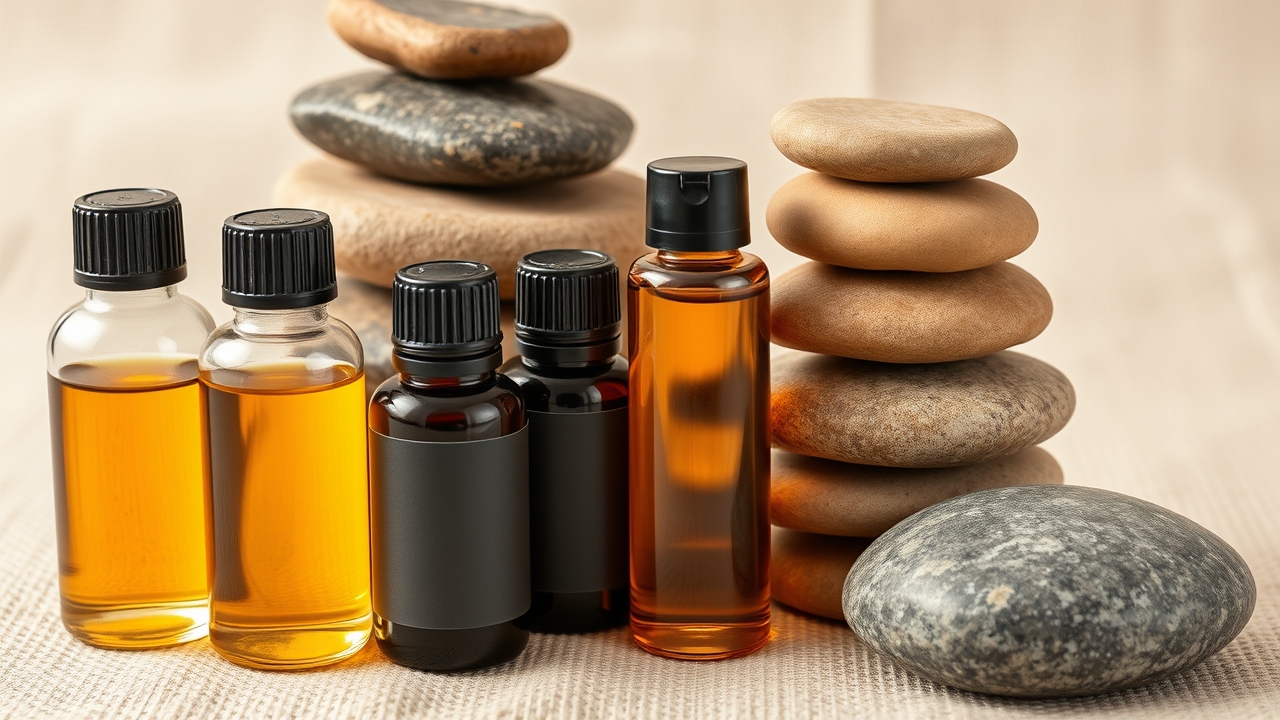
Combining touch with essential oils creates a multisensory experience. Scents like sandalwood, chamomile, and ylang‑ylang activate the olfactory system, sending signals straight to the limbic system and deepening the relaxation response.
Integrating Massage into a Long‑Term Wellness Routine
One session is a treat; regular sessions are a strategy. Consistency prevents tension from building and keeps the nervous system balanced. After a massage, drink plenty of water to flush out metabolic waste, and consider a gentle stretch or a warm bath to extend the calming effect.
Many clients enjoy pairing bodywork with other pampering services—nail care, facials, or a soothing facial massage—to create a holistic, sensory experience. Visiting a reputable wellness center allows you to address multiple areas of self‑care in one seamless appointment, eliminating the stress of scheduling separate visits.
Practical Tips for Your First Relaxation Session
First‑time clients often feel a mix of excitement and nerves. Here are four practical pointers to help you get the most out of your experience:
- Communicate Your Preferences: Tell your therapist if you prefer light, medium, or firm pressure. Miscommunication can leave you feeling either under‑stressed or overstimulated.
- Focus on Breath: When the therapist works a tight spot, inhale deeply into the tension. This encourages the muscle to relax rather than tighten further.
- Hydrate: Drink water before and after the session to keep tissues pliable and aid in detoxification.
- Skip Heavy Meals: A full stomach can make lying face‑down uncomfortable and distract you from relaxation.
The Connection Between Physical Touch and Emotional Health
In a world saturated with screens, meaningful touch is scarce. Therapeutic touch lowers cortisol and boosts oxytocin—the hormone associated with bonding and trust. Even in a clinical setting, the sense of being cared for can dissolve feelings of loneliness and burnout. Some clients report tears or emotional release during a deep relaxation massage, a testament to the body’s ability to transform stored tension into catharsis.
Common Misconceptions About Massage Wellness
Myths can be a barrier to seeking help. Let’s debunk three of the most common:
Myth 1: A massage must hurt to be effective. True relaxation should never be painful. A wince or tensing up signals a stress response that counters the goal of calm.
Myth 2: Massage is only for luxury. While it feels indulgent, massage is a proven tool for improving sleep, immune function, and mental clarity. It’s an investment in long‑term health, not just a splurge.
Myth 3: You only need a massage when you’re in pain. Preventative massage stops pain before it starts by maintaining muscle health and preventing chronic stiffness.
Creating a Home Environment for Continued Relaxation
Professional skill can’t be fully replicated at home, but you can sustain the benefits with a simple sanctuary. Set up a corner with a comfortable chair, a dim lamp, and a diffuser. Self‑massage tools—foam rollers, tennis balls, or massage sticks—allow you to target trigger points between visits. Pair these with mindful breathing, and you’ll reinforce the relaxation pathways your therapist has opened.
Summary of the Relaxation Journey
From the moment a therapist’s hands begin to move, a cascade of physiological changes unfolds. Tissue manipulation triggers nerve responses that shift the nervous system toward parasympathetic dominance. This shift reduces cortisol, releases serotonin, and opens a window for emotional release. By understanding these mechanisms, you can choose the right type of massage for your needs and integrate it into a sustainable wellness routine.
Frequently Asked Questions
Q: Exactly how does massage help you relax on a biological level?
A: Massage shifts the nervous system from sympathetic (fight or flight) to parasympathetic (rest and digest). The process involves the release of endorphins and serotonin while simultaneously reducing cortisol production.
Q: How often should I get a massage for stress relief?
A: Most people benefit from a session every two to four weeks. If you’re experiencing acute stress, weekly sessions can help restore balance until the baseline tension eases.
Q: Can a relaxation massage help with insomnia?
A: Yes. By lowering cortisol and easing muscle tension, massage primes the body for sleep. A session in the late afternoon or early evening often leads to a deeper, more restorative night’s rest.
Q: Is it normal to feel sore after a relaxation massage?
A: Mild soreness is common, especially if the therapist worked on chronic tension. It’s akin to post‑exercise muscle soreness. Staying hydrated and taking a warm bath usually resolves it within 24 to 48 hours.
Q: Which is better for anxiety: Swedish or Deep Tissue?
A: For general anxiety and a need to calm the mind, Swedish massage is typically recommended due to its gentle, rhythmic nature. If anxiety manifests as intense physical tightness, a moderate deep tissue session may provide deeper relief.
Leave a Reply