Best self care routine for busy people is grounded in quick, mindful practices that fit into any hectic day. It’s not about perfection; it’s about intentional moments that refresh the body, soothe the mind, and keep you moving forward.
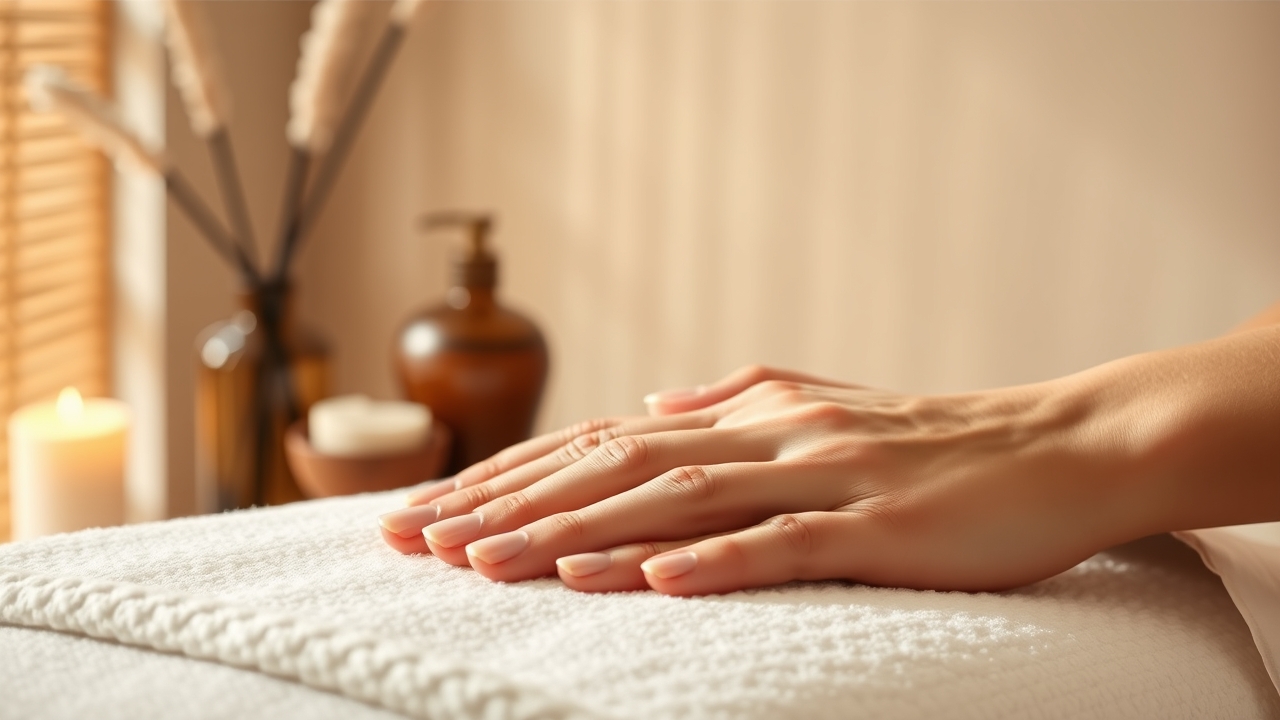
Best Self Care Routine for Busy People
When the calendar is full, the temptation is to skip self‑care altogether. Yet, even a few minutes a day can have a ripple effect on energy, focus, and mood. The following routine blends micro‑habits with a few longer moments, all designed to fit into a packed schedule.
Why Self Care Matters Even When Time Is Scarce
Research shows that brief periods of rest and reflection can reduce cortisol, the stress hormone, and improve sleep quality. Self‑care isn’t a luxury; it’s a maintenance tool that keeps the engine running smoothly. By investing a few minutes in self‑care, you may find that you are more productive, creative, and resilient.


Core Pillars of a Quick Self Care Routine
- Mental Reset: brief breathing or mindfulness to center the mind.
- Physical Reboot: gentle movement or stretching to release tension.
- Emotional Check‑In: gratitude or journaling to align feelings.
- Sensory Pleasure: a touch of beauty or comfort, such as a manicure or a scented candle.
The Science Behind Quick Self‑Care
Neuroscience reveals that even 30 seconds of mindful breathing can shift the autonomic nervous system from sympathetic (fight‑or‑flight) to parasympathetic (rest‑and‑digest). This switch lowers heart rate, reduces blood pressure, and opens the brain to creative problem‑solving. Likewise, micro‑movement releases endorphins, while gratitude journaling activates the brain’s reward circuitry.
How Short Breathing Triggers Calm
Use the 4‑4‑6 technique: inhale for 4 counts, hold for 4, exhale for 6. Repeat three times. This pattern expands lung capacity and signals the body to relax.
Micro‑Movement and Your Muscles
Gentle neck rolls, shoulder shrugs, or seated twists reduce muscle stiffness and improve circulation. These micro‑exercises can be done at a desk or in a meeting room.
Gratitude’s Brain Chemistry
Writing down one thing you’re grateful for triggers dopamine release, enhancing mood and motivation. Even a single sentence can shift your perspective.
Morning Rituals: 5 Minutes to Reset
Starting the day with intention sets a tone that carries through the rest of the day. Here’s a quick sequence you can do right after waking up or as soon as you step into your workspace.
- Hydrate: drink a glass of water to kick‑start metabolism.
- Breath: inhale for 4 counts, hold for 4, exhale for 6. Repeat three times.
- Stretch: touch your toes, then roll your shoulders forward and backward.
- Affirmation: say, “I am calm, capable, and ready.”
Midday Boost: Portable Self Care Hacks
During a lunch break or between meetings, you can incorporate these portable habits without needing a full‑length session.
- Desk Yoga: seated twist, neck rolls, and wrist stretches.
- Micro‑Meditation: close your eyes, focus on your breath for 60 seconds.
- Snack Mindfully: chew slowly, savor flavors, and hydrate.
- Quick Journal: jot down one thing you’re grateful for.
Evening Wind‑Down: 10 Minutes to Rejuvenate
Ending the day with a brief self‑care routine helps signal to the body that it’s time to relax. This is especially useful if you have a long commute or a busy household.
- Unplug: turn off screens 30 minutes before bed.
- Light Stretch: gentle hamstring and chest opener.
- Skin Ritual: cleanse, moisturize, and apply a nourishing facial oil.
- Reflection: write down one win from the day.
Integrating Simple Self Care Ideas into Your Daily Schedule
Here are practical ways to weave self‑care into the rhythm of work, commute, and home life.
- Commute Time: listen to a calming podcast or practice gratitude.
- Work Breaks: set a 5‑minute timer to stand, stretch, and re‑hydrate.
- Meals: chew slowly and savor each bite; this promotes digestion and reduces stress.
- Home: schedule a 15‑minute “self‑time” slot each evening for a quick bath or a manicure.
Mindful Touch: Nails, Spa, Massage as Self Care
Hands and feet often carry the most tension from daily activities. A quick manicure or a 10‑minute massage can release built‑up stress. Treating yourself to a gentle spa routine, such as a foot soak or a simple oil massage, can be a powerful self‑care moment.
Even if you can’t visit a spa, you can replicate the experience at home: warm a cup of tea, light a candle, and gently massage your forearms or feet with a light lotion. These small acts of tenderness reinforce your body’s self‑healing signals.
Practical Tips for Busy People: Planning, Preparation, and Consistency
- Plan Ahead: set a recurring reminder on your phone for each self‑care segment.
- Prep Materials: keep a small bag with a towel, moisturizer, and a journal at your desk.
- Micro‑Goals: view each habit as a mini‑goal; completing it feels rewarding and encourages habit formation.
- Track Progress: use a habit‑tracking app or a simple checklist to see how often you’re following through.
When to Seek Professional Support
While quick self‑care habits can be highly effective, persistent feelings of overwhelm, chronic fatigue, or emotional distress may indicate the need for professional guidance. If you notice that stress is interfering with sleep, appetite, or relationships, consult a healthcare provider or therapist. They can help you develop a more comprehensive plan that may include therapy, medication, or lifestyle changes.
Additional Resources for Busy Self‑Care Enthusiasts
- Apps: Insight Timer for guided meditations, Habitica for habit tracking, Calm for sleep stories.
- Books: “The One‑Minute Mindfulness” by Mark Williams, “Atomic Habits” by James Clear.
- Websites: Healthline Self‑Care Guide, Mindful.org.
FAQs
- Best self care routine for busy people: what are the most essential steps? The core steps include a 5‑minute morning reset, a 5‑minute midday micro‑break, and a 10‑minute evening wind‑down. Each step focuses on hydration, breathing, gentle movement, and reflection.
- How can I incorporate self‑care into a packed workday? Use your calendar to block 5‑minute intervals for breathing or stretching. Keep a journal in your bag and write a gratitude note during lunch. Use commuting time for podcasts or mindful listening.
- What low‑cost, high‑impact self‑care ideas work for busy schedules? Simple actions such as a glass of water upon waking, a 1‑minute breathing exercise, a 3‑minute desk stretch, or a 5‑minute gratitude write‑up have measurable benefits without cost.
- Is it realistic to maintain a self‑care routine if I travel frequently? Yes—carry a travel journal, use airplane seating for seated stretches, practice breathing during layovers, and keep a small bottle of essential oil for a quick scent break.
- When should I consider seeking professional help for stress or burnout? If you experience persistent insomnia, loss of appetite, feeling detached from work, or emotional numbness for more than two weeks, it’s time to seek guidance from a mental health professional.
For more information on the science behind self‑care, you can read the Self‑care page on Wikipedia. To explore how a spa and massage setting can complement your routine, visit our spa and massage offerings.
Leave a Reply