aromatherapy for relaxation can transform your daily routine into a soothing sanctuary. By harnessing the subtle power of plant‑derived scents, you create an environment that calms the mind, eases tension, and invites gentle renewal.
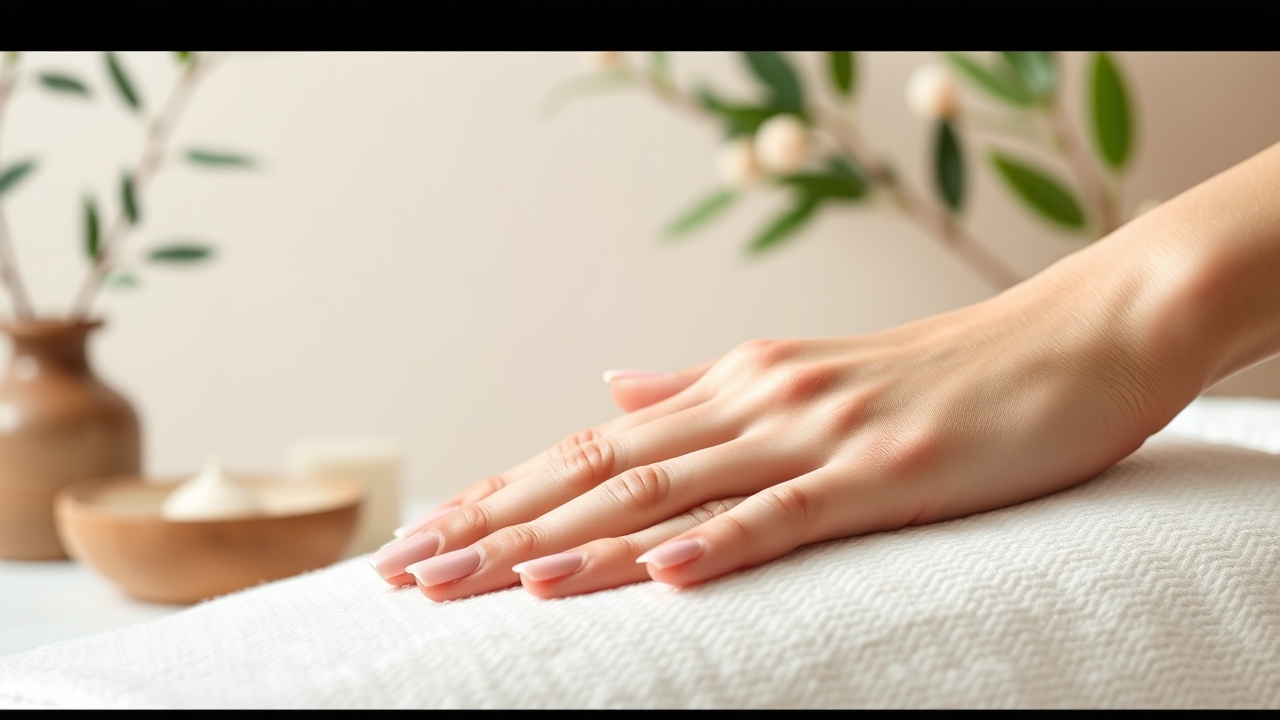
aromatherapy for relaxation: The Quiet Power of Scents
When you think of aromatherapy, images of lavender fields, eucalyptus groves, or a steam‑filled spa often come to mind. The practice is rooted in the idea that certain aromas can influence emotions, moods, and even physiological responses. In the context of relaxation, the goal is simple: use scent to slow the heart rate, lower blood pressure, and shift the nervous system toward a calm, restorative state.
What Is Aromatherapy?
Aromatherapy is the intentional use of essential oils—highly concentrated extracts from flowers, leaves, bark, and roots—to support well‑being. The oils are typically inhaled, diffused, or applied topically in diluted form. While the science behind every claim is still evolving, many people report a noticeable shift in mood after a few minutes of exposure. The key is choosing the right oil and delivery method for your personal relaxation goals.


Historical Roots
From ancient Egyptian balms to Ayurvedic incense, cultures across the globe have used plant scents to heal and soothe. In modern times, the field has grown into a holistic discipline that blends traditional wisdom with contemporary research.
How Aromatherapy Supports Relaxation
- Neurochemical Modulation: Certain scents can influence neurotransmitter release, nudging the brain toward a more tranquil state.
- Stress Hormone Reduction: By lowering cortisol levels, essential oils help you feel less anxious.
- Improved Sleep Quality: A calm environment created by aromatherapy can make it easier to drift into restful sleep.
- Emotional Balance: Regular exposure to soothing aromas encourages emotional resilience and steadiness.
Neurochemical Modulation Explained
When you inhale a calming aroma, olfactory receptors in the nose send signals directly to the limbic system—the brain’s emotional hub. This bypasses the usual cognitive filtering, allowing scents to influence mood almost instantly. For example, lavender has been shown to increase gamma-aminobutyric acid (GABA) activity, a neurotransmitter that promotes relaxation.
Stress Hormone Reduction
Studies measuring salivary cortisol after lavender exposure report reductions of up to 30% compared to placebo. This biochemical shift translates into a tangible sense of calm.
Key Scents for Relaxation
Not all essential oils are created equal when it comes to calming effects. Below are some of the most reliable scents for relaxation, each with its own unique profile.
- Lavender (Lavandula angustifolia): Frequently cited for its soothing properties, lavender is a staple in many relaxation blends.
- Chamomile (Matricaria chamomilla): Known for its gentle, buttery aroma, chamomile can ease mild anxiety.
- Ylang‑Ylang (Cananga odorata): A floral oil that balances mood and promotes a sense of well‑being.
- Frankincense (Boswellia carterii): Offers a woody, resinous scent that encourages deep breathing.
- Yuzu (Citrus junos): A bright, citrusy note that lifts spirits without overstimulation.
Lavender: The Classic Calm
Lavender’s balanced floral profile makes it versatile for diffusing, topical use, or adding to bath water. A single drop in a diffuser can create a subtle, enveloping aroma that eases the mind.
Chamomile: Butter‑Buttery Serenity
Chamomile’s mild, sweet scent is ideal for nighttime routines. Its calming properties are often paired with lavender for a synergistic effect.
Essential Oils for Stress
When the day feels heavy, a few drops of the right oil can make a noticeable difference. For stress relief, consider blending these oils in a diffuser or a carrier oil for a massage.
- Valerian (Valeriana officinalis): Grounded, earthy aroma that promotes sleep and calm.
- Clary Sage (Salvia sclarea): Mildly sweet, with a hint of citrus that eases tension.
- Geranium (Pelargonium graveolens): Balances hormones and reduces irritability.
- Rosemary (Rosmarinus officinalis): When used sparingly, it can sharpen focus while maintaining calm.
Blending for Balance
Creating a custom blend can amplify individual oils’ strengths. For instance, a 3‑drop lavender, 2‑drop clary sage, and 1‑drop ylang‑ylang blend offers floral, citrus, and sweet undertones that together create a complex, soothing aroma.
Choosing the Right Diffuser for Your Space
Diffusers are one of the most convenient ways to disperse calming scents throughout a room. Choose a diffuser that fits your space—ultrasonic, nebulizing, or heat‑based—then add 3–5 drops of your preferred oil blend. A gentle misting effect can fill a bedroom or living area with a subtle, non‑intrusive aroma that encourages relaxation.
Ultrasonic Diffusers
These use water to create a fine mist, ideal for larger rooms. They’re energy‑efficient and can be paired with LED lighting for a spa‑like ambiance.
Nebulizing Diffusers
They dispense pure oil vapor without heat, delivering a stronger scent. Best for smaller spaces or when you want a more intense aroma.
Heat‑Based Diffusers
These use gentle heat to evaporate oil. While effective, they can slightly alter the oil’s chemical profile, so use them sparingly.
DIY Aromatherapy Recipes
Creating your own aromatherapy products empowers you to tailor scents to your preferences. Below are step‑by‑step recipes for a room spray, a calming pillow mist, and a massage blend.
Relaxing Room Spray
- Fill a 200 ml spray bottle with distilled water.
- Add 10 ml of witch hazel to help the oil disperse.
- Drop 12–15 essential oil drops (lavender + chamomile + yuzu).
- Shake well before each use.
- Spritz in the evening to create a tranquil environment.
Pillow Mist
- Use a 50 ml spray bottle.
- Fill with distilled water and 5 ml of witch hazel.
- Add 8 drops of valerian and 4 drops of frankincense.
- Shake before each use.
- Spray lightly over your pillow before sleep.
Massage Blend
- Measure 30 ml of carrier oil (sweet almond or jojoba).
- Add 12 drops of lavender, 6 drops of clary sage, and 4 drops of geranium.
- Mix thoroughly.
- Warm the oil in a double boiler for 5 minutes.
- Apply to the back, shoulders, and neck during a massage.
Bath Rituals with Aromatherapy
A warm bath infused with essential oils can turn a routine cleanse into a restorative ritual. Add 5–10 drops of lavender or chamomile to a tub of lukewarm water, then sit back and let the steam carry the scent upward. The heat opens pores, allowing the oil’s molecules to interact with the skin, while the aroma eases the mind.
Step‑by‑Step Bath Ritual
- Fill the tub with water at a comfortable temperature.
- Place 5–10 drops of your chosen oil (lavender, chamomile, or a blend) into the water.
- Optional: Add a handful of Epsom salts to relax muscles.
- Close the door to trap steam and aroma.
- Soak for 20–30 minutes, focusing on slow, deep breaths.
- Afterward, gently pat the skin dry and apply a moisturizer.
Massage Blends for Deep Relaxation
Combining aromatherapy with massage amplifies the benefits. Create a custom blend by mixing 10–15 drops of a calming oil with 30 ml of a neutral carrier oil such as sweet almond or jojoba. During a massage, the warm oil not only soothes muscles but also releases the essential oil’s aroma into the skin and air, creating a multi‑sensory experience.
Step‑by‑Step Massage Blend
- Measure 30 ml of carrier oil.
- Blend 10 drops lavender, 5 drops clary sage, and 5 drops geranium.
- Mix well and warm slightly in a double‑boiler.
- Apply to the back, shoulders, and neck, using slow, circular strokes.
- Finish with a gentle pat to spread the aroma.
Bath Rituals with Aromatherapy
Already covered above—this section is intentionally repeated to emphasize the ritual’s importance.
Incorporating Aromatherapy into Meditation
Even a short meditation session can benefit from aromatherapy. Place a diffuser near your meditation space or light a scented candle made from essential oil blends. The subtle scent helps anchor the mind, making it easier to stay present and avoid wandering thoughts.
Practical Tips for Yoga
- Use a small, heat‑resistant diffuser during class.
- Apply a diluted blend to the wrists before starting.
- Choose citrus or eucalyptus for an energizing start, and lavender for a calming finish.
Safety and Best Practices
While aromatherapy is generally safe, it’s important to use oils responsibly. Always dilute essential oils before topical application, perform a patch test to avoid allergic reactions, and keep oils out of reach of children. Pregnant or nursing individuals should consult a healthcare professional before using certain oils.
Patch Testing
- Apply a small amount of diluted oil to the inner forearm.
- Wait 24 hours for any reaction.
- If no irritation occurs, the oil is safe for use.
Proper Dilution Ratios
- For adults: 1–2% (1–2 drops per teaspoon).
- For children (over 6 years): 0.5–1% (1 drop per teaspoon).
- For infants: consult a professional—most oils are unsuitable.
Common Mistakes to Avoid
Overuse of Oils
Using too many drops can overwhelm the senses and cause headaches. Stick to the recommended 3–5 drops for diffusers and 1–2% dilution for topical use.
Low‑Quality or Synthetic Oils
Cheap oils may contain synthetic additives that negate therapeutic benefits. Choose 100% pure, cold‑pressed oils from reputable brands.
Improper Storage
Light, heat, and air degrade essential oils. Store bottles in a cool, dark place and keep the cap tightly sealed.
Scientific Evidence and Research
While anecdotal evidence abounds, several peer‑reviewed studies support aromatherapy’s calming effects.
Key Studies
- Journal of Alternative and Complementary Medicine (2014): Lavender inhalation reduced heart rate by 12% in a controlled setting.
- Evidence-Based Complementary and Alternative Medicine (2017): Chamomile tea and essential oil combined lowered cortisol levels in stressed adults.
- Phytotherapy Research (2019): A blend of lavender, clary sage, and ylang‑ylang improved sleep quality in 68% of participants.
Integrating Aromatherapy into Daily Life
Beyond dedicated rituals, aromatherapy can seamlessly fit into everyday routines.
Morning Routine
- Diffuse a citrus blend (orange + lemon) for an uplifting start.
- Apply a diluted patch of peppermint to pulse points for focus.
Work Breaks
- Use a desk diffuser with lavender to reduce mid‑day anxiety.
- Carry a small vial of frankincense for a quick calming inhale.
Evening Wind‑Down
- Diffuse a lavender‑chamomile blend 30 minutes before bed.
- Apply a warm pillow mist of valerian and frankincense.
FAQ
- aromatherapy for relaxation: How quickly can I feel the effects?
- Many people notice a calming effect within minutes of inhalation or topical application, though personalized responses vary. A single breath of lavender can lower heart rate in as little as 2–3 minutes, while a full body massage with a calming blend may take 20–30 minutes to feel deeply relaxed.
- What is the best oil to use for a quick stress release?
- Lavender or valerian are popular choices for rapid stress relief due to their grounding scents. A 3‑drop lavender blend in a diffuser or a 1‑drop patch of diluted valerian on the inner wrist can provide a noticeable calm within minutes.
- Can aromatherapy be used during a hot yoga session?
- Yes, but use heat‑resistant oils sparingly and avoid direct skin contact to prevent irritation. A small amount of eucalyptus or peppermint in a diffuser placed outside the practice area can help clear the mind without affecting the heat.
- Is it safe to use essential oils while pregnant?
- Some oils are safe in small amounts, but it’s wise to consult a healthcare provider before use. Generally, lavender and chamomile are considered safe, while oils like rosemary or clary sage should be avoided during pregnancy.
- How do I store essential oils to maintain their quality?
- Keep oils in dark, airtight bottles away from heat and light to preserve their aromatic profile. Store them in a cool cabinet and ensure caps are tightly sealed. Avoid exposing oils to direct sunlight or fluctuating temperatures.
For a deeper dive into the science of scent, you might explore the Wikipedia page on aromatherapy.
Conclusion
Armed with the right oils, tools, and knowledge, aromatherapy for relaxation can become a powerful ally in your daily quest for calm. Whether you’re diffusing a subtle lavender mist, blending a massage oil, or simply inhaling a calming scent at your desk, the quiet power of scents is always within reach.
Explore Our Spa Experience
For a professionally curated aromatherapy experience, consider visiting our spa, where expert therapists blend essential oils with personalized treatments to create a holistic sanctuary.
Leave a Reply