When you think of a manicure, you probably picture a quick trim, a clean cuticle, and a splash of color. A spa manicure, however, turns that routine into a full‑body experience for your hands. It’s not just about looking pretty; it’s about restoring the skin’s barrier, boosting circulation, and giving your nervous system a gentle reset.
What Is a Spa Manicure?
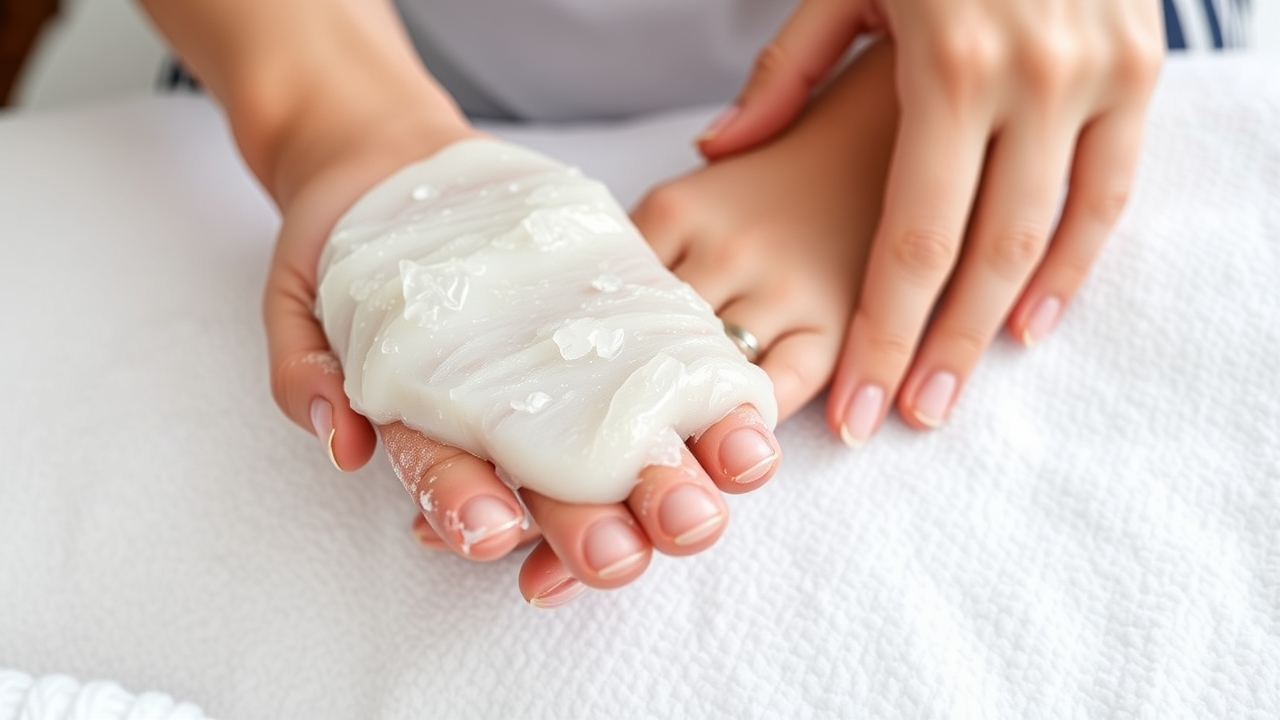
A standard manicure focuses on nail shape, cuticle care, and polish application. A spa manicure adds layers of skin care and massage that transform the hands into a mini‑facial. Think of it as a hand spa: a warm soak, an exfoliating scrub, a hydrating mask, and an extended massage, often capped with a paraffin wax dip that locks in moisture.
Spa Manicure vs. Regular: The Core Differences
While a regular manicure is a functional maintenance routine, a spa manicure is a therapeutic ritual. Here’s how the two stack up:


- Time: 30‑45 minutes for a quick polish versus 60‑90 minutes for a full spa session.
- Skin Work: No exfoliation or mask in a regular service; a spa manicure removes dead skin and delivers deep‑penetrating serums.
- Massage: A brief hand rub versus a targeted, 20‑minute hand and forearm massage that improves blood flow.
- Hydration: Light lotion versus professional‑grade creams, oils, and paraffin wax that seal in moisture.
The Physical Benefits of a Spa Manicure
Our hands are the most exposed organ, battling soaps, wind, and the constant friction of typing. A spa manicure addresses these challenges on multiple fronts.
Deep Exfoliation and Cell Renewal
The scrub—often a blend of sea salt, sugar, and a touch of jojoba oil—scrubs away the top layer of dead skin. This not only leaves fingertips silky but also clears the way for moisturizers to dig deeper. The result? Skin that feels supple and looks brighter, with callus buildup reduced by up to 30% after a few sessions.
Intense Hydration and Barrier Protection
After the scrub, a hydrating mask rich in shea butter, hyaluronic acid, and vitamin E is applied. The mask is then wrapped in a warm towel to create a micro‑sauna, allowing the skin to absorb the nutrients fully. For those with chronic dryness, a paraffin wax dip at 47°C follows. The heat opens pores, letting moisture soak into the dermis, while the wax forms a protective barrier that keeps the skin hydrated for days.
Improved Circulation and Lymphatic Drainage
During the massage, the technician uses a “reverse flow” technique—starting at the fingertips and moving up the wrist. This rhythmic pressure stimulates the lymphatic system, clears metabolic waste, and reduces puffiness. If you spend hours at a keyboard, you’ll notice the tension in your extensor tendons eases, and your fingers feel lighter.
The Mental and Emotional Luxury of a Spa Manicure
Beyond the tangible skin benefits, a spa manicure offers a psychological boost. The gentle pressure of a hand massage releases oxytocin, while the aroma of lavender or eucalyptus lowers cortisol. The ritual of sitting still, breathing, and being cared for creates a meditative state that can linger for hours.
Stress Reduction and Cortisol Lowering
Touch is a primal stress‑reliever. When a therapist applies steady strokes to your hands, the nervous system receives a calming signal. Coupled with aromatic oils, this can lower your heart rate and reduce the feeling of overwhelm—an effect that’s especially welcome after a hectic week.
The Psychology of Pampering Nails
Well‑groomed hands signal self‑respect. The act of caring for your nails and skin can boost confidence, making you feel more present and capable. It’s a small act of self‑love that translates into a more positive outlook throughout the day.
Who Should Choose a Spa Manicure?
Anyone can benefit, but certain groups find the advantages most pronounced:
- Office Workers: The massage relieves the tension that builds from prolonged typing.
- Healthcare Professionals: Frequent hand washing strips natural oils; the hydration step combats dermatitis.
- Outdoor Enthusiasts: Wind, sun, and cold accelerate skin aging; exfoliation and masking keep the skin youthful.
- High‑Stress Individuals: A spa manicure is a focused, accessible way to receive tactile relaxation without a full‑body session.
Step‑by‑Step: What to Expect During Your Visit
While each salon has its own flair, a high‑quality spa manicure follows a predictable flow:
- Assessment & Polish Removal: The technician gently removes old polish with a non‑acetone remover, then checks nail health.
- Warm Soak: A bowl of water at 38°C infused with dried rose petals and a drop of peppermint oil softens cuticles.
- Cuticle Care: The technician pushes back cuticles, trims excess, and applies a cuticle oil to seal the skin.
- Scrub & Massage: A sugar‑salt scrub is massaged into the hands and forearms, followed by a 10‑minute hand massage with a rich almond oil.
- Mask & Wrap: A hydrating mask is applied, then wrapped in a warm towel for 5 minutes.
- Paraffin Wax (Optional): If chosen, the hands are dipped in wax for 10 minutes, then cooled.
- Polish Application: Two thin coats of your chosen color are applied, allowing each coat to dry for 2 minutes.
- Finishing Touches: A quick air‑dry, followed by a light coat of cuticle oil and a gentle wipe of the fingertips.
If you’re looking for a place to experience this, visiting a professional nail and massage spa ensures you get the full range of these therapeutic steps.
Maintaining the Results at Home
To extend the benefits, keep a simple routine at home:
- Cuticle Oil: Apply daily to prevent hangnails and maintain the skin’s barrier.
- Hand Cream: Use a cream containing urea or glycerin after each hand wash.
- Protection: Wear gloves when handling chemicals or when outside in freezing temperatures.
- Hydration: A glass of water a few hours after the spa helps replenish the skin’s moisture.
According to the Wikipedia entry on skin care, maintaining the skin’s lipid barrier is essential for preventing transepidermal water loss, which is exactly what spa treatments aim to support.
Comparing Costs: Is It Worth It?
At first glance, a spa manicure can seem pricey—$60 to $90 is common. But when you break it down, you’re paying for high‑quality products, extended time, and a combined skin treatment plus massage. Compare that to a separate hand massage ($30) plus an exfoliating treatment ($25); the bundled spa manicure is a smart investment in your wellness budget.
Common Misconceptions About Spa Manicures
Some people think spa manicures are only for those with severe nail issues. In reality, preventive care is far more effective than corrective work. Regular exfoliation and hydration keep calluses from forming and prevent the deep cracks that are harder to treat later.
Others view the massage as an optional bonus. In truth, the circulatory boost from the massage delivers nutrients to the nail bed, potentially leading to stronger, faster‑growing nails over time.
Conclusion: A Holistic Approach to Hand Care
Your hands do a tremendous amount of work, yet they’re often the most neglected part of our skincare routine. A spa manicure goes beyond a pretty color; it nurtures skin health, improves joint mobility, and calms the mind. By integrating exfoliation, deep hydration, and massage, you’re not just grooming nails—you’re investing in overall well‑being.
Whether you’re treating yourself after a stressful week or preparing for a special event, upgrading to a spa service offers a level of care that a regular manicure simply cannot match. It’s a reminder to slow down, breathe, and appreciate the tools that allow you to interact with the world every single day.
Frequently Asked Questions
What are the main benefits of a spa manicure compared to a regular one?
The primary benefits include deep exfoliation, intense hydration through masks or paraffin, and a therapeutic massage that boosts circulation and reduces stress. While a regular manicure focuses on nail shaping and polish, a spa manicure treats the health of the entire hand and forearm.
How often should I get a spa manicure?
For most people, once every two to four weeks is ideal. This aligns with the natural growth cycle of the nail and ensures that the skin remains hydrated and exfoliated. If you have extremely dry skin or a high‑stress job, you might benefit from a treatment every two weeks.
Can a spa manicure help with nail growth?
While a manicure doesn’t change your genetics, the massage and hydration components may support nail growth. By increasing blood flow to the nail matrix and keeping the surrounding skin healthy, you create an optimal environment for the nail to grow strong and resilient.
Is paraffin wax necessary in a spa manicure?
It is not strictly necessary, but it is highly recommended for those with very dry skin or joint stiffness. The heat from the wax helps the skin absorb moisture more deeply and can soothe aching joints in the fingers and wrists.
Will a spa manicure last longer than a regular one?
The polish will last roughly the same amount of time, but the skin benefits last much longer. Because the skin has been deeply exfoliated and hydrated, your hands will feel softer and look more youthful for a week or two after the service, provided you maintain them with lotion at home.
Leave a Reply