Benefits of a pedicure go beyond a polished look, offering a holistic boost to foot health and overall wellness. The benefits of a pedicure are evident in both physical and mental health improvements.
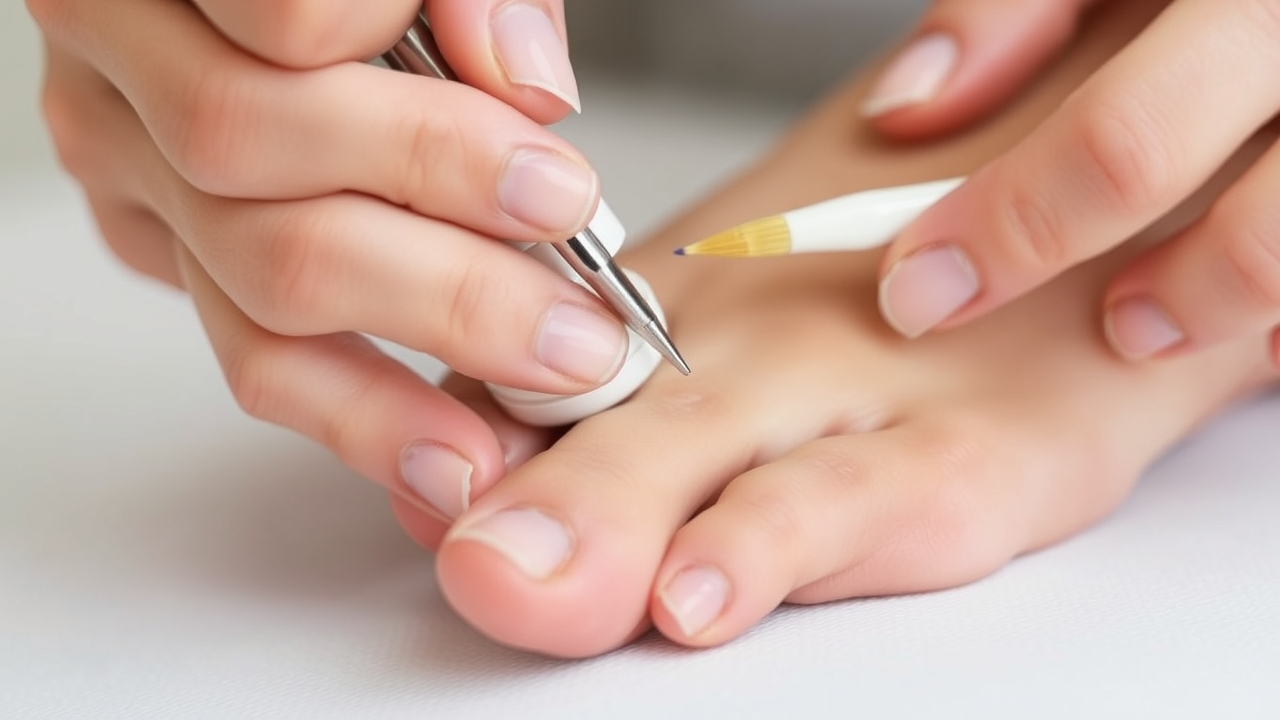
What Are the Benefits of a Pedicure?
A pedicure is often seen as a cosmetic treatment, but its advantages extend far beyond the surface. By combining gentle exfoliation, nail shaping, and massage, a pedicure can:
- Improve circulation in the feet and lower legs.
- Relieve tension and stress through targeted massage.
- Prevent common foot problems such as calluses, corns, and fungal infections.
- Enhance the appearance of toenails, reducing the risk of ingrown nails.
- Promote a sense of relaxation that benefits mental health.
Understanding the benefits of a pedicure helps you make informed choices about foot care.


Circulation Boost
During a pedicure, the therapist applies pressure and stretches the foot muscles, which encourages blood flow. Enhanced circulation delivers oxygen and nutrients to the tissues, helping to keep the skin supple and reducing swelling.
Stress Relief
Massage is a key component of most pedicure routines. The rhythmic strokes stimulate the nervous system, releasing endorphins that can lower stress levels. Many people report feeling more relaxed after a session.
Prevention of Foot Issues
Regular pedicures help keep calluses and corns from thickening. By regularly removing dead skin, you reduce the likelihood of painful fissures or fungal growth. In addition, proper nail trimming lowers the chance of ingrown toenails.
Why Get a Pedicure Regularly?
Consistency is essential. While a one‑time pedicure can be a treat, scheduling regular visits—ideally every 4 to 6 weeks—provides sustained benefits. Here’s why:
- Maintained Skin Health: Ongoing exfoliation keeps the skin smooth and prevents dryness.
- Early Detection: Regular inspections by a professional can catch minor issues before they become major problems.
- Long‑Term Comfort: Consistent foot care reduces the buildup of hard skin, making everyday walking more comfortable.
The benefits of a pedicure include improved circulation and reduced stress.
Foot Care Spa vs. Home Care
While many people perform at‑home pedicures, a foot care spa offers a deeper, more professional experience. Spa therapists are trained to identify subtle foot health concerns and can tailor treatments to your specific needs. If you’re ready to experience a professional touch, visit our foot care spa.
How a Pedicure Supports Overall Wellness
Feet are the foundation of the body. When they are healthy, the rest of the body benefits. Here’s how:
- Improved Posture: Healthy feet provide better support for standing and walking.
- Reduced Pain: By removing calluses and smoothing rough spots, a pedicure can lessen foot discomfort that might otherwise affect your hips and knees.
- Boosted Confidence: Well‑maintained feet can improve your overall self‑image, especially when you’re wearing open‑toed shoes.
Self‑Care Rituals at Home
Even if you can’t visit a spa every week, you can incorporate simple steps into your routine:
- Soak your feet in warm, scented water for 10–15 minutes.
- Use a pumice stone or foot file to gently remove dead skin.
- Apply a moisturizing cream or oil, focusing on heels and arches.
- Trim nails straight across to avoid ingrown edges.
- Finish with a light massage using a natural oil or lotion.
Common Myths About Pedicures Debunked
Many misconceptions can deter people from enjoying regular foot care. Let’s address a few:
- Myth: Pedicures are only for beautification. Reality: They also address health concerns.
- Myth: Men don’t need pedicures. Reality: Men benefit equally from improved circulation and foot hygiene.
- Myth: A pedicure can cause infections. Reality: When performed with clean tools and proper technique, the risk is minimal.
Choosing the Right Pedicure Experience
When selecting a pedicure provider, consider the following:
- Reputation and certifications of the therapist.
- Cleanliness and sterilization practices.
- Use of high‑quality, non‑allergenic products.
- Customization options to address specific concerns.
When to Seek Professional Advice
If you have conditions such as diabetes, peripheral neuropathy, or severe foot problems, consult a healthcare professional before undergoing a pedicure. A trained therapist can work with your doctor to create a safe routine.
Step‑by‑Step Guide to a Professional Pedicure
For those new to the spa experience, here’s a detailed walkthrough of a typical professional pedicure, from start to finish.
1. Preparation & Soaking
- Feet are washed with warm, mild soap to remove surface dirt.
- A foot bath filled with Epsom salts, essential oils, or a gentle foot soak solution relaxes muscles and softens calluses.
- Soaking lasts 10–15 minutes, allowing the skin to absorb moisture.
2. Exfoliation & File
- Softened skin is gently scrubbed with a foot scrub or a pumice stone.
- Dead skin and callus buildup are removed using a foot file or a gentle rotary buffer.
- Special attention is given to the heels, balls of the feet, and the spaces between toes.
3. Nail Care
- Toenails are trimmed straight across to prevent ingrown nails.
- Edges are filed to a smooth finish, and cuticles are pushed back with a cuticle pusher or soft brush.
- Any nail abnormalities or fungal spots are noted for follow‑up care.
4. Massage & Relaxation
- Massagers or therapists use a combination of kneading, rolling, and pressure points to stimulate circulation.
- Massage oils or lotions are applied to hydrate the skin and enhance the soothing effect.
- Clients often report a noticeable reduction in foot fatigue and overall stress.
5. Finishing Touches
- Moisturizer or foot cream is massaged into the heels, arches, and toes.
- A base coat is applied to protect the nails, followed by a color coat and a top coat for durability.
- Clients receive a quick tip on how to keep their polish fresh for up to two weeks.
DIY Pedicure at Home: Tips for Safety and Effectiveness
Home pedicures can be a cost‑effective and convenient way to maintain foot health. Here are key tips to ensure you get the best results without compromising safety.
- Use the Right Tools: Invest in a high‑quality foot file, a soft pumice stone, a cuticle pusher, and a nail clipper with a straight edge.
- Maintain Hygiene: Sterilize tools before each use. If you share tools, use disposable gloves or clean them with alcohol.
- Don’t Over‑File: Excessive filing can thin the nails and damage the skin. File lightly and only where necessary.
- Moisturize Thoroughly: After the massage, apply a thick foot cream or oil. For extra hydration, wrap feet in a warm towel for 5 minutes.
- Check for Issues: Look for redness, swelling, or unusual spots. If you notice anything concerning, pause the routine and consult a podiatrist.
Advanced Pedicure Options: Spa Treatments, Gel, and Nail Art
For those looking to elevate their foot care routine, many spas offer specialized treatments. These options provide additional benefits and aesthetic appeal.
- Gel Pedicure: Gel polish offers a longer wear time and a high‑gloss finish. It’s ideal for people who want durable nails without frequent touch‑ups.
- Foot Masks & Treatments: Hydrating masks infused with peptides, hyaluronic acid, or collagen can deeply moisturize and rejuvenate foot skin.
- Cold Therapy & Cryotherapy: Short bursts of cold can reduce inflammation and improve circulation, especially post‑exercise.
- Custom Nail Art: From subtle French tips to vibrant designs, nail art can reflect personal style and boost confidence.
Foot Health Checklist: Signs You Need a Pedicure
Regular foot care is preventive, but certain signs warrant a professional touch. Keep an eye out for:
- Visible calluses or corns that are painful or thickened.
- Redness, swelling, or bruising around the toes or heels.
- Unusual discoloration or odor, indicating potential fungal infection.
- Ingrown toenails or nail deformities that cause discomfort.
- Persistent foot pain that doesn’t improve with rest or over‑the‑counter treatments.
Common Foot Conditions and How Pedicures Help
Below are some frequent foot ailments and how a regular pedicure can mitigate symptoms.
- Calluses & Corns: Pedicures remove excess keratin, preventing painful thickening and reducing pressure points.
- Fungal Infections: Regular cleaning and proper nail trimming reduce moisture pockets where fungi thrive.
- Ingrown Toenails: Straight‑edge trimming and proper cuticle care lower the risk of nails growing into the skin.
- Diabetic Foot Care: Gentle, sterile techniques help monitor skin integrity, reducing the chance of ulcers or infections.
- Plantar Fasciitis: Massage of the arch and heel can relieve tension and improve flexibility.
Choosing the Right Footwear After a Pedicure
Even after a flawless pedicure, ill‑chosen shoes can negate benefits. Follow these guidelines:
- Opt for breathable materials that allow moisture to escape.
- Avoid high heels or shoes that compress toes for extended periods.
- Choose shoes with a wide toe box to accommodate natural toe spread.
- Replace worn‑out shoes that no longer provide arch support.
- Consider orthotic inserts if you have structural foot issues.
Frequently Asked Questions
Benefits of a pedicure: How often should I get one?
Most experts recommend every 4 to 6 weeks, depending on your foot condition and lifestyle.
Why get a pedicure if I can do it at home?
A professional pedicure offers deeper exfoliation, expert nail shaping, and a relaxing massage that is hard to replicate at home.
What are pedicure benefits feet for people with diabetes?
Diabetic patients should seek a qualified therapist who can safely manage foot hygiene and monitor for signs of infection.
Can a pedicure help with foot pain?
Regular pedicures can reduce calluses and corns that cause pain, and the massage component can alleviate tension.
Do pedicures help with plantar fasciitis?
Yes. A skilled therapist can massage the arch and heel, stretching the plantar fascia and easing chronic pain. Combining a pedicure with targeted stretching exercises offers the best results.
Final Thoughts on the Benefits of a Pedicure
Incorporating a pedicure into your wellness routine offers a blend of tangible health benefits and intangible pleasures. The benefits of a pedicure extend beyond aesthetics, touching on circulation, pain relief, and emotional well‑being. By recognizing the benefits of a pedicure, you can schedule regular sessions that suit your lifestyle.
Leave a Reply