The benefits of a hand massage extend far beyond the immediate feeling of luxury. Most of us use our hands every single waking minute—typing on keyboards, gripping steering wheels, scrolling through phones, and carrying heavy bags. Yet, we rarely give them the dedicated care they deserve. I have found that when people first experience a professional hand treatment, they are often shocked by how much tension they were holding in their palms and fingers without even realizing it.
Why Hand Massage is Essential for Modern Life
Our hands are complex networks of bones, muscles, tendons, and nerves. Because they are so active, they are prone to repetitive strain. When we talk about why hand massage is necessary, we have to look at the physical toll of the digital age. Constant clicking and swiping create micro-tensions in the small muscles of the hand, which can lead to stiffness and a general feeling of fatigue.
A focused hand treatment helps to break these patterns of tension. By applying targeted pressure, a therapist can help release the fascia—the connective tissue that surrounds the muscles. When this tissue becomes tight, it restricts movement and can make your hands feel “heavy” or clumsy. Regular sessions help maintain flexibility and keep the joints gliding smoothly.


Physical Hand Massage Benefits
While the mental relief is immediate, the physical improvements are where the long-term value lies. Here are the primary physiological advantages of focusing on the hands:
- Improved Blood Circulation: Massage stimulates blood flow to the extremities. Increased circulation means more oxygen and nutrients reach the tissues, which can help skin look healthier and muscles recover faster from strain.
- Reduction in Swelling: For those who spend long hours at a desk or standing, fluid can sometimes pool in the hands. Gentle lymphatic drainage techniques used during a massage help move this fluid back toward the heart.
- Joint Flexibility: By working the joints of the fingers and the wrist, massage can reduce stiffness. This is particularly helpful for people who suffer from general joint tightness due to age or repetitive work.
- Skin Hydration: When paired with high-quality oils or creams, the massage process pushes moisture deeper into the skin, treating dryness and calluses more effectively than simply applying lotion.
The Connection to Hand Reflexology
To understand the deeper impact of this practice, we should look at reflexology. Hand reflexology is based on the principle that specific points on the hands correspond to different organs and systems within the body. While not a medical cure, many find that stimulating these points creates a systemic sense of balance.
For example, the tip of the thumb is often associated with the head and brain, while the area between the thumb and index finger is linked to the digestive system and stress levels. By applying pressure to these zones, a therapist can help trigger a relaxation response throughout the entire body. It turns a localized treatment into a holistic experience.
Common Reflexology Points in the Hand
If you are curious about how hand reflexology works, you can try these simple points at home:
- The Thumb: Massaging the thumb can help clear mental fog and reduce feelings of anxiety.
- The Palm Center: This area is often linked to solar plexus relaxation, helping to calm the stomach and reduce nervous tension.
- The Base of the Fingers: Working this area may help relieve tension in the chest and lungs, encouraging deeper breathing.
Mental and Emotional Benefits of a Relaxing Hand Massage
The hands are incredibly sensitive. They contain a high density of nerve endings, which makes them a direct gateway to the nervous system. When you receive a relaxing hand massage, you aren’t just treating skin and muscle; you are sending a signal to your brain that it is time to switch from “fight or flight” mode to “rest and digest” mode.
I have noticed that clients often experience a profound drop in cortisol levels during a hand treatment. Because the hands are so closely tied to our interaction with the world, relaxing them often feels like letting go of the day’s burdens. It is a form of mindful grounding that pulls you out of your head and back into your body.
The Psychology of Touch
Human touch is a fundamental need. In a world that is increasingly digital, the physical connection of a massage provides emotional comfort. This is why a hand massage can feel so intimate and soothing. It reduces feelings of isolation and promotes a sense of being cared for, which is a critical component of overall wellness.
How to Incorporate Hand Wellness into Your Routine
You don’t always need a professional appointment to enjoy some of these benefits, although a professional wellness experience provides a level of depth and technique that is hard to replicate at home. However, maintaining your hands between visits is key.
Start by incorporating a five-minute hand stretch every two hours if you work at a computer. Gently pull your fingers back toward your wrist and rotate your palms in circular motions. Follow this with a self-massage using a natural oil like jojoba or almond oil. Focus on the fleshy part of the palm below the thumb, as this is where most of our stress accumulates.
Steps for a Simple At-Home Hand Massage
- Warm Up: Rub your hands together to create heat, or soak them in warm water for two minutes to soften the skin.
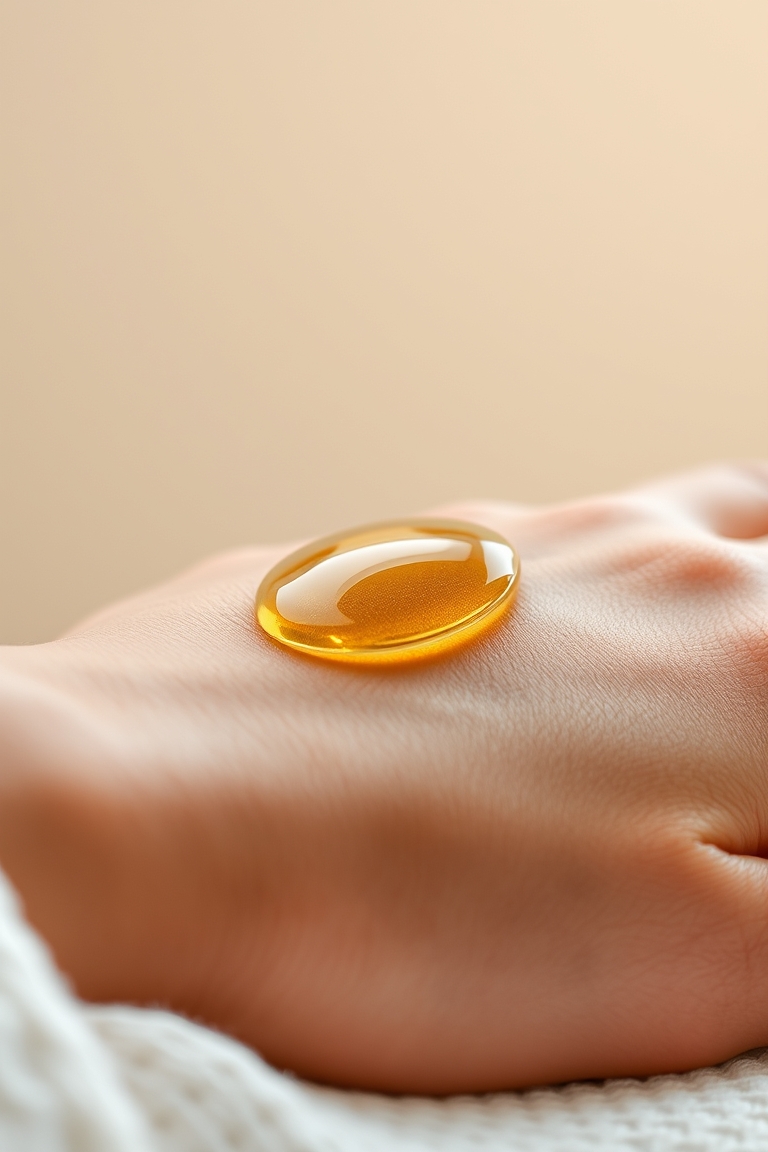
- Apply Oil: Use a small amount of oil and spread it from the wrist up to the fingertips.
- The Palm Press: Use your opposite thumb to make small, circular motions in the center of your palm.
- Finger Pulls: Gently squeeze each finger from the base to the tip, applying light pressure.
- Wrist Rotation: Hold your wrist and gently rotate the hand in both directions to release joint tension.
Comparing Hand Massage to Full Body Massage
Some people wonder if a hand massage is “enough” compared to a full-body session. The answer depends on your goals. A full-body massage is excellent for systemic detoxification and deep muscle release. However, a hand massage is a highly efficient tool for immediate stress relief.
Because it requires less time and no need to undress, it is an ideal “micro-treatment” for people with busy schedules. It provides a concentrated burst of relaxation that can reset your mood in 15 to 30 minutes. For those who feel overwhelmed by the intensity of a full-body massage, focusing on the hands and feet is a gentler way to introduce the body to therapeutic touch.
Who Can Benefit Most from Hand Treatments?
While anyone can enjoy the benefits of a hand massage, certain groups find it particularly transformative:
- Office Workers: Those who spend 8+ hours a day typing or using a mouse often suffer from “mouse hand” or wrist fatigue.
- Artists and Musicians: People who perform intricate manual tasks benefit from the increased flexibility and blood flow.
- Elderly Individuals: For those dealing with stiff joints or decreased circulation in the extremities, gentle massage can improve comfort and mobility.
- Anxious Individuals: Because of the connection to the nervous system, hand massage is a powerful tool for grounding during periods of high stress.
The Role of Aromatherapy in Hand Wellness
To maximize the benefits of a hand massage, many therapists incorporate aromatherapy. The skin on the hands is absorbent, and the proximity of the hands to the face allows the scent of essential oils to reach the olfactory system quickly.
Lavender is the gold standard for relaxation and sleep. Peppermint can be used for those who feel mental fatigue or have “heavy” hands, as it provides a cooling, stimulating effect. Eucalyptus is often used to help clear the mind and refresh the senses. By combining the physical manipulation of the muscles with the chemical properties of plants, the experience becomes a multi-sensory healing session.
Common Misconceptions About Hand Massages
One common myth is that hand massages are just a “bonus” added to a manicure. While they are often paired together, a therapeutic hand massage is a distinct practice. A manicure focuses on aesthetics; a massage focuses on anatomy and wellness. When performed correctly, the massage should target the muscle bellies and tendons, not just the surface of the skin.
Another misconception is that you need a lot of pressure to get results. In reality, the hands respond very well to light, rhythmic movements. Over-pressuring the small bones of the hand can actually cause more tension. The key is a steady, flowing motion that encourages the muscles to let go.
Integrating Hand Care into a Holistic Lifestyle
True wellness is about consistency. If you only treat your hands once a year, you will feel the relief temporarily, but the tension will return. I recommend treating hand wellness as part of your hygiene routine, much like brushing your teeth or exercising.
Combine your hand massage with other mindful practices. For instance, try practicing deep diaphragmatic breathing while you massage your palms. This synchronizes the physical release of the hands with the chemical release of oxygen in the blood, doubling the calming effect. When you treat your hands with kindness, you are essentially telling your entire body that it is safe to relax.
Summary of Long-Term Advantages
When we look at the cumulative effects of regular hand care, the picture is clear. You aren’t just avoiding soreness; you are investing in the longevity of your most used tools. Better circulation leads to healthier skin; better flexibility leads to fewer injuries; and regular stress reduction leads to a more balanced emotional state.
The simplicity of the hand massage is its greatest strength. It is accessible, non-invasive, and provides immediate feedback. The moment the tension leaves the palm, the shoulders often drop, the jaw relaxes, and the mind quiets. It is a small gateway to a much larger state of well-being.
Frequently Asked Questions
What are the main benefits of a hand massage?
The primary benefits include reduced muscle tension, improved blood circulation, decreased swelling, and a significant reduction in stress and anxiety. It also helps maintain joint flexibility and hydrates the skin through the use of therapeutic oils.
How often should I get a professional hand massage?
For those in high-stress jobs or those who use their hands repetitively, once every two to four weeks is ideal. For general maintenance, a monthly session is usually sufficient to keep tension at bay.
Can a hand massage help with sleep?
Yes, it may. By triggering the parasympathetic nervous system and reducing overall cortisol levels, a relaxing hand massage helps the body transition into a state of rest, making it easier to fall and stay asleep.
Is hand reflexology the same as a hand massage?
Not exactly. While they both involve touch, a hand massage focuses on the muscles and tissues to relieve tension. Hand reflexology focuses on specific pressure points that are believed to correspond to other parts of the body to promote systemic balance.
Are there any risks associated with hand massages?
For most people, it is very safe. However, if you have a recent fracture, severe inflammation, or a contagious skin condition, you should consult a healthcare provider before receiving a massage. Always communicate your pressure preferences to your therapist.
Leave a Reply