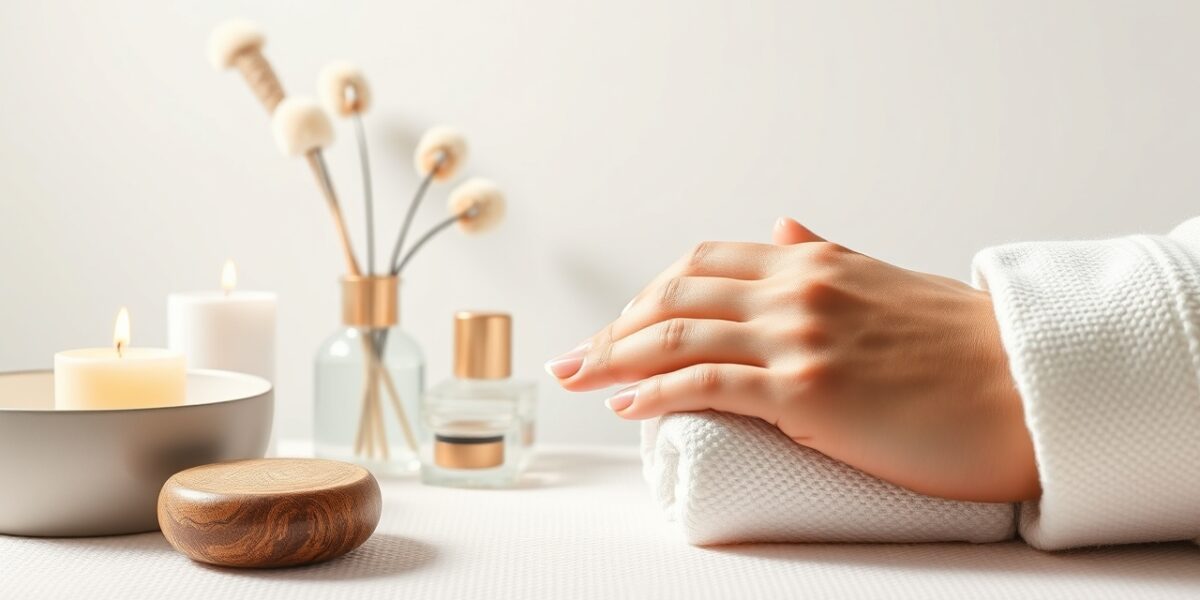
Benefits of a spa manicure can transform your hand care routine from a quick polish to a full‑body experience. If you’ve ever wondered why some salons charge more for this service, the answer lies in the depth of care and the subtle health perks it offers.
Benefits of a Spa Manicure
Unlike a standard manicure, a spa manicure incorporates a series of steps designed to nourish the nails, soften the skin, and soothe the nervous system. The process typically starts with a gentle soak in warm, aromatic water, often infused with essential oils or herbal blends. This initial step helps to open the cuticles, making them easier to trim and push back without causing damage. Next, a technician will exfoliate the hands—removing dead skin cells and creating a smooth canvas for the subsequent treatments.
After exfoliation, a moisturizing mask is applied. These masks are rich in ingredients like shea butter, vitamin E, and natural oils. They penetrate the skin, providing deep hydration that can last for days. While the mask works its magic, a hand and arm massage follows. The massage uses long, rhythmic strokes that improve blood flow, reduce tension, and promote a sense of calm. Finally, the nails are shaped, buffed, and polished, finishing the treatment with a glossy or satin coat.


What is a Spa Manicure?
A spa manicure is more than a beautification ritual; it’s a holistic approach to hand health. The term is often used interchangeably with “luxury manicure,” but the key distinction lies in the added steps of exfoliation, masking, and massage. According to a reputable source on nail care, these extra stages allow for deeper hydration and a more relaxed experience compared to a basic manicure. The practice has roots in ancient spa traditions, where hand treatments were part of a broader wellness regimen.
Spa Manicure vs Regular
When comparing spa manicure to a regular manicure, the differences become clear. A regular manicure focuses primarily on nail shape and polish application. In contrast, a spa manicure addresses the skin and cuticles, offering a therapeutic massage that can reduce hand stiffness and improve circulation. The extra time and attention mean that the benefits of a spa manicure may last longer, leaving hands feeling supple and less prone to dryness.
- Deeper Hydration: The mask and massage help lock in moisture.
- Improved Circulation: Gentle strokes stimulate blood flow.
- Stress Relief: The relaxing environment and massage reduce cortisol.
- Enhanced Nail Strength: Proper cuticle care supports healthy nail growth.
- Long‑lasting Finish: The final polish adheres better to conditioned skin.
Luxury Manicure Benefits
Luxury manicure benefits extend beyond the aesthetic. The combination of exfoliation, masking, and massage creates a multi‑layered experience that can improve skin texture and reduce signs of aging. Additionally, the use of high‑quality products often means that the final polish is more durable, reducing the need for frequent touch‑ups. The overall result is hands that look and feel healthier, which can boost confidence in everyday tasks.
Pampering Nails
When you pamper nails with a spa manicure, you’re treating them to a regimen that may include paraffin wax treatments, vitamin‑infused serums, and specialized nail oils. These elements work together to strengthen the nail bed and promote a brighter, more resilient shine. The process also encourages a mindful pause, allowing you to break away from the hustle of daily life.
Step‑by‑Step Guide to a Spa Manicure
Below is a detailed breakdown of each stage, so you know exactly what to expect and how to prepare.
1. Warm Soak & Aromatherapy
- Water temperature: 95–105°F (35–40°C) to avoid scorching.
- Essential oils: lavender for relaxation, peppermint for a cooling effect, or eucalyptus for a refreshing scent.
- Duration: 5–7 minutes to allow cuticles to soften.
2. Exfoliation
- Products: sugar scrub, coffee grounds, or a gentle hand scrub gel.
- Technique: gentle circular motions, focusing on knuckles and wrist areas.
- Goal: remove rough patches and promote a smooth base for the mask.
3. Masking & Moisture Lock
- Common ingredients: shea butter, cocoa butter, jojoba oil, and ceramides.
- Application: generous layer on palms, fingers, and nails.
- Wrap: use a warm towel or silicone wrap to seal in heat.
- Duration: 10–15 minutes.
4. Hand & Arm Massage
- Pressure: light to medium, depending on comfort.
- Strokes: long, sweeping motions from fingertips to forearms.
- Benefits: stimulates lymphatic drainage, reduces swelling, and eases muscle tension.
5. Nail Care & Polish
- Cuticle care: gentle push back or trimming with sterilized tools.
- Nail shaping: smooth, rounded edges to reduce snagging.
- Base coat: protective layer to prevent staining.
- Color choice: choose a shade that complements skin tone; consider a satin finish for a subtle sheen.
- Top coat: high‑gloss or satin, depending on desired finish.
Choosing the Right Spa Manicure for Your Skin Type
Not all spa manicures are created equal. Tailoring the treatment to your skin’s needs can amplify the benefits.
Dry Skin
- Focus on intensive moisturizing masks and paraffin wax.
- Use products with glycerin and hyaluronic acid for maximum hydration.
- Follow up with a rich hand cream after the session.
Oily or Acne‑Prone Skin
- Opt for lightweight, non‑comedogenic masks.
- Include a gentle antibacterial scrub to reduce breakouts.
- Finish with a mattifying hand lotion.
Sensitive Skin
- Choose fragrance‑free, hypoallergenic products.
- Use a gentle exfoliant like a mild fruit acid (e.g., lactic acid) instead of abrasive scrubs.
- Test a small patch before full application.
DIY Spa Manicure at Home
While a professional spa manicure offers a luxurious atmosphere, you can recreate many of its benefits at home with the right tools.
- Gather supplies: a bowl of warm water, essential oils, a sugar scrub, a hand mask, a silicone hand wrap, a gentle hand cream, and your favorite nail polish.
- Follow the step‑by‑step guide above, adjusting the duration based on your comfort.
- For the massage, use a small amount of almond or coconut oil to glide your hands smoothly.
- Finish with a protective base coat and a satin top coat for a long‑lasting finish.
Common Mistakes to Avoid
- Skipping the Soak: A warm soak is essential for softening cuticles; skipping it can lead to uneven nail polish application.
- Over‑Exfoliating: Too much scrubbing can damage the skin barrier; aim for a light, circular motion.
- Using Sharp Tools: Always use sterilized, blunt tools to avoid cuts and infections.
- Ignoring Aftercare: Neglecting to moisturize after the session can reverse the benefits.
- Choosing the Wrong Polish: Dark or highly pigmented polishes may stain nails; consider a clear or light shade if you have sensitive nails.
Why It’s Worth the Investment
Although a spa manicure may cost more than a regular one, the added benefits—hydration, circulation, stress relief—make it a worthwhile investment. Think of it as a mini‑wellness retreat for your hands. For those who spend long hours typing, lifting, or using hand tools, the relief and improved nail health can translate into better daily performance.
If you’re curious about how a spa manicure can change your routine, you can explore a variety of techniques and products that align with your skin type. The experience can be tailored, ensuring that each visit feels personalized and effective.
For a deeper dive into the science behind nail care, you can read about the Manicure process and how it has evolved over time.
FAQ
- What are the main benefits of a spa manicure? A spa manicure offers deeper hydration, improved circulation, a relaxing massage that reduces stress, and stronger nails.
- How does a spa manicure differ from a regular manicure? It includes exfoliation, masking, and massage, whereas a regular manicure focuses mainly on nail shaping and polish.
- Can a spa manicure help with dry or damaged skin? Yes, the moisturizing mask and paraffin wax treatments provide intense hydration and nourishment.
- How often should I get a spa manicure? For optimal results, aim for a spa manicure every 4–6 weeks, especially if you use harsh chemicals or work with your hands daily.
- Is a spa manicure safe for people with nail conditions like fungal infections? It’s best to consult a professional; some treatments may aggravate infections, but a skilled technician can adjust the routine to be gentle.
Conclusion
In the end, the benefits of a spa manicure go beyond a polished look. They touch on skin health, circulation, and overall well‑being. If you’re ready to treat your hands to a more thoughtful, restorative experience, you can visit a spa or try a DIY routine at home. Either way, you’ll leave with hands that feel refreshed, hydrated, and ready to take on the world.
Leave a Reply