how massage helps you relax by easing tension and inviting a sense of calm. When you step into a quiet room, let the soft music and gentle lighting set the stage for a journey into the body’s own healing rhythm. This article walks you through the ways massage can soothe the mind, ease the muscles, and create a sanctuary of well‑being. We’ll look at the science, the styles, and the everyday practices that make a massage a powerful tool for relaxation.
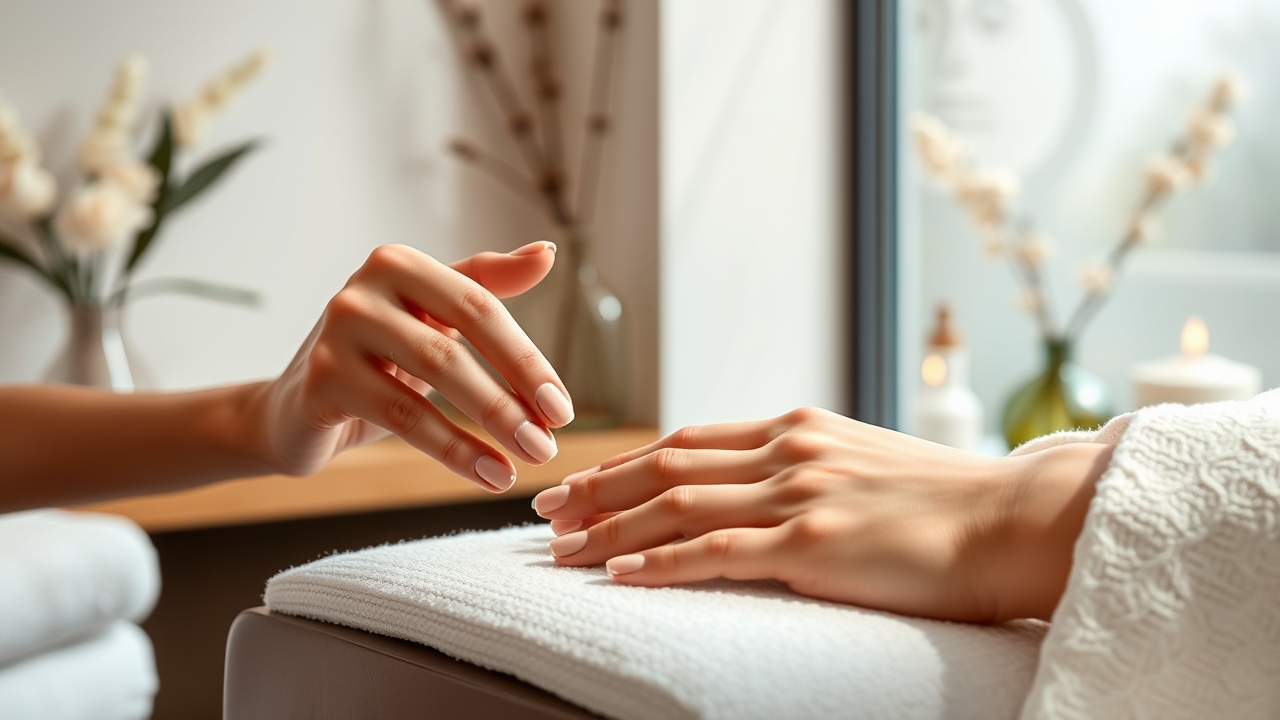
how massage helps you relax: the science behind the sensation
Massage is more than a luxury; it’s a form of bodywork that interacts with the nervous system. When a therapist applies pressure to the skin, they stimulate sensory receptors that send signals to the brain. These signals can trigger the release of neurotransmitters like serotonin and dopamine, which are associated with mood elevation and a sense of wellbeing. Additionally, the rhythmic motion can activate the parasympathetic nervous system, the part of the body that calms you after a stressful event. The result is a measurable drop in heart rate and blood pressure, allowing the body to shift from a state of alertness to one of recovery.
In practice, how massage helps you relax is seen in the subtle changes that happen. The body’s own response to touch is a reminder that we can influence our own state of calm. Even a brief session can reset the internal clock, making it easier to handle the next wave of pressure at work or home.


benefits of massage
- Muscle tension relief: Light to deep strokes loosen tight muscles and improve circulation.
- Improved sleep quality: The calming effect lowers cortisol levels, making it easier to fall asleep.
- Enhanced mental clarity: The release of endorphins can reduce racing thoughts and increase focus.
- Boosted immune function: Gentle manipulation can encourage lymphatic flow, helping the body clear toxins.
- Reduced anxiety: Regular sessions can lower perceived stress and create a sense of control.
Many people find that a regular massage schedule supports a balanced lifestyle. The key is consistency; a single session can feel like a reset, but ongoing practice builds resilience against daily stressors.
massage for stress: techniques that soothe
When the mind is racing, the body often responds with tightness in the shoulders, neck, and back. Massage for stress focuses on these areas, using a combination of kneading, effleurage, and gentle tapping. These motions help to release built‑up tension and encourage blood flow to the muscles.
Here are three techniques that are especially effective for stress relief:
- Effleurage: Long, gliding strokes that warm the muscle tissue and promote relaxation.
- Myofascial release: Slow, sustained pressure applied to the fascia, the connective tissue surrounding muscles.
- Trigger point therapy: Targeted pressure on specific knots that can reduce pain and improve mobility.
Each session can be tailored to the individual’s needs, ensuring that the therapist applies the right amount of pressure and the right rhythm. The goal is always to ease the body’s tension, allowing the mind to follow suit.
relaxation massage: styles and settings
There are many styles of massage that are designed specifically for relaxation. Two of the most popular are Swedish massage and aromatherapy massage. Swedish massage uses a combination of kneading, friction, and circular movements to promote circulation and ease muscle tension. Aromatherapy massage incorporates essential oils, each chosen for its calming properties—lavender, chamomile, and ylang‑ylang are common choices.
Other styles worth exploring include:
- Hot stone massage: Smooth stones placed on key points to heat the muscles and encourage deeper relaxation.
- Reflexology: Pressure applied to the feet, which can stimulate nerve pathways and promote relaxation throughout the body.
- Shiatsu: A Japanese technique that uses finger pressure on specific points to balance energy flow.
Each of these styles offers a unique experience. The therapist may combine them, creating a personalized session that maximizes the calming effect.
massage wellness: integrating body and mind
Massage wellness goes beyond the physical; it’s about creating a harmonious balance between body, mind, and spirit. This holistic approach often includes mindful breathing exercises, guided visualization, and a quiet environment that encourages introspection.
During a wellness massage, the therapist may:
- Set a slow, steady pace to sync the client’s breathing with each stroke.
- Use light, rhythmic touches that feel almost meditative.
- Encourage the client to notice sensations in the body, fostering a deeper connection to the present moment.
These practices help to reduce the physiological signs of stress, such as elevated heart rate and muscle tightness. Over time, regular wellness massages can improve overall resilience, making it easier to navigate stressful situations.
how to prepare for a massage
Preparation can amplify the benefits of a massage. Follow these steps to get the most out of your session:
- Hydrate: Drink 16–20 ounces of water 30 minutes before the appointment to help flush out toxins.
- Communicate: Share any injuries, medical conditions, or areas of concern during the initial consultation.
- Dress comfortably: Wear loose clothing or arrive naked if the spa allows, so the therapist can work without restrictions.
- Arrive early: Give yourself 10 minutes to settle in, adjust the room temperature, and get into the right mindset.
- Set an intention: Decide whether you want a purely relaxing session or targeted relief; this helps the therapist tailor the approach.
self‑massage techniques for daily calm
You don’t need a professional to reap the benefits of touch. Try these simple self‑massage moves at home:
- Neck release: Sit upright, place your right hand under the left ear. Gently roll your head to the left, hold for 5 seconds, and repeat on the other side.
- Shoulder squeeze: Sit with feet flat, roll your shoulders forward and backward 10 times, then press the shoulder blades together for 15 seconds.
- Hand reflexology: Press the thumb on the base of the little finger for 30 seconds; this stimulates the “heart” reflex area.
- Foot massage: Use a tennis ball to roll under the arch; apply gentle pressure for 2 minutes on each foot.
These quick routines can reduce muscle stiffness and lower cortisol levels, especially after a long workday.
choosing the right therapist
Not every massage therapist is the same. Consider the following when booking:
- Certification: Look for credentials from recognized bodies such as the American Massage Therapy Association (AMTA).
- Specialization: Some therapists specialize in sports, prenatal, or aromatherapy; choose one that aligns with your goals.
- Experience: A seasoned practitioner can read subtle tension cues and adjust pressure accordingly.
- Reviews: Online ratings can provide insight into consistency, professionalism, and client satisfaction.
- Communication: A therapist who listens and explains techniques will make the session more effective.
massage myths debunked
Common misconceptions can prevent people from trying massage. Here’s the truth:
- “Massage is only for athletes.” It’s beneficial for anyone, from office workers to seniors.
- “It’s always painful.” A skilled therapist adjusts pressure to your comfort level.
- “You must schedule it weekly.” Even a monthly session can provide significant relief.
- “It’s a luxury, not a necessity.” Regular massage can reduce healthcare costs by preventing chronic pain.
- “It’s only about muscle relaxation.” Massage also supports circulation, lymphatic drainage, and mental health.
post‑massage care
After the session, give your body time to integrate the benefits:
- Hydrate again: Drink water to help eliminate lactic acid.
- Rest: Avoid strenuous activity for at least 24 hours.
- Stretch gently: Light stretches can prevent stiffness.
- Mindful breathing: Practice slow, diaphragmatic breaths for 5 minutes to maintain calm.
- Schedule your next visit: Consistency is key—set a reminder to book a follow‑up.
integrating massage into daily life
Massage doesn’t have to be a once‑in‑a‑while indulgence. Incorporate these habits:
- Desk breaks: Use a massage ball or foam roller for 5 minutes during lunch.
- Evening routine: A gentle neck and shoulder stretch before bed can improve sleep.
- Mind‑body pairing: Combine massage with meditation or yoga to amplify relaxation.
- Travel prep: A quick self‑massage before a flight can reduce travel‑related tension.
- Community classes: Attend a group reflexology or acupressure workshop to learn new techniques.
FAQ
- how massage helps you relax? Massage helps you relax by stimulating the parasympathetic nervous system, lowering cortisol levels, and encouraging the release of serotonin and dopamine, which create a sense of calm.
- What are the most relaxing types of massage? Swedish, aromatherapy, hot stone, and shiatsu are frequently cited as the most relaxing styles, each with unique techniques that promote deep calm.
- How often should I get a massage for best results? Consistency is key; many people find that a massage every 4–6 weeks provides a steady boost to stress management and overall wellness.
- Can massage help with anxiety? While massage is not a substitute for professional mental health care, regular sessions can reduce anxiety symptoms by lowering heart rate and encouraging relaxation.
- What should I expect during a first massage session? Expect a brief consultation to discuss your goals and any areas of tension, followed by a session that focuses on gentle strokes and a calm environment.
Whether you’re seeking a quick escape from the daily grind or a deeper path to wellness, understanding how massage helps you relax can guide you to the right techniques and settings. By incorporating massage into your routine, you’re investing in a practice that nurtures both body and mind—an essential step toward lasting peace and health. For more personalized guidance, feel free to visit our spa and discuss how we can tailor a session to your needs.
Leave a Reply