How often should you get a pedicure is a question many people ask when planning their self‑care routine.
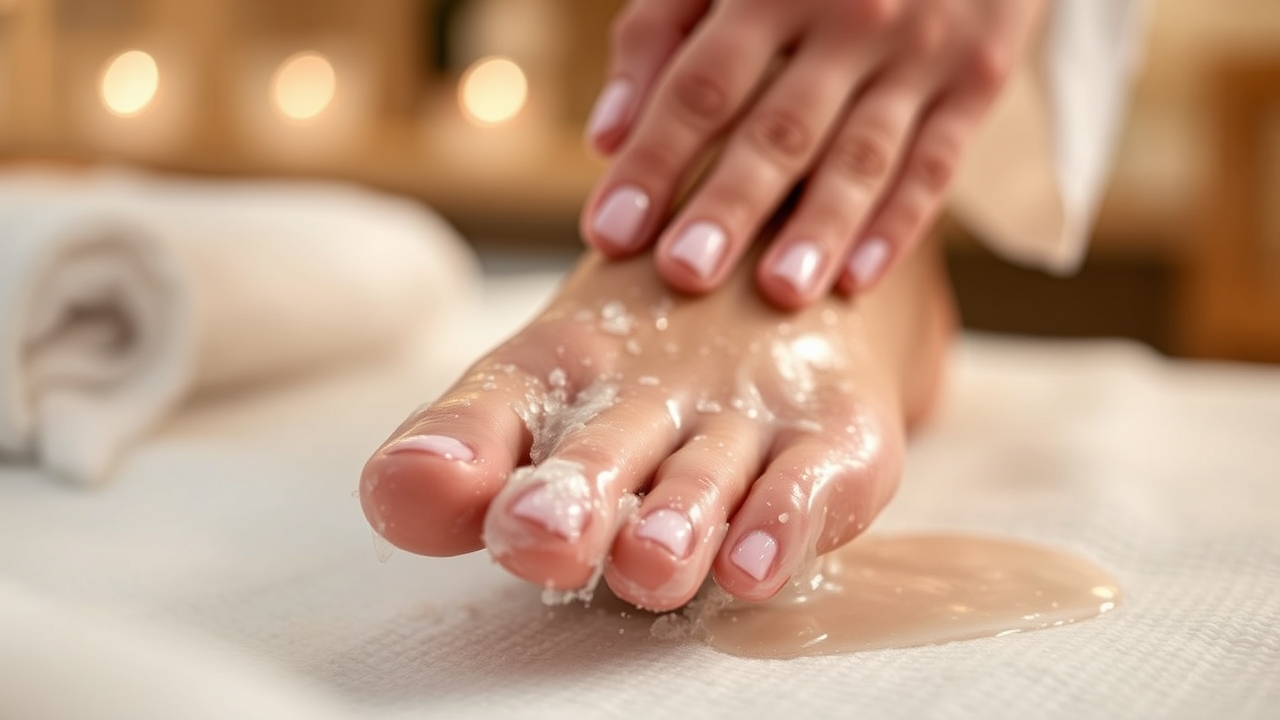
How Often Should You Get a Pedicure?
When you think about the best time to visit a spa or treat yourself at home, the frequency of pedicures comes up. The answer depends on a mix of lifestyle, foot health, and personal preference. Generally, most adults find that a pedicure every two to four weeks keeps feet looking fresh without over‑exposing the skin to chemicals or moisture.
Understanding Pedicure Frequency
Pedicure frequency refers to how often you schedule a professional or DIY foot treatment. It’s not a one‑size‑fits‑all rule. Those who work in shoes that compress the foot, or who have conditions like athlete’s foot, may benefit from more frequent sessions, while others may be comfortable with a monthly visit.


How Often Pedicure Fits Into a Foot Care Routine
Incorporating a pedicure into a broader foot care routine means you’re not relying solely on salon services. Daily habits—like washing with mild soap, drying thoroughly, and moisturizing—complement the benefits of a pedicure. When you combine both, you can reduce callus buildup and keep nails trimmed and healthy, which supports overall foot comfort.
Factors That Influence the Right Schedule
Work Environment and Daily Wear
If you spend most of the day in closed shoes, especially tight or high‑heeled ones, your feet are more prone to calluses and fungal infections. In such cases, a pedicure every three weeks may be enough to prevent discomfort. Conversely, if you are mostly barefoot or wear breathable footwear, a month‑long interval is usually safe.
Skin Sensitivity and Health Conditions
People with sensitive skin, eczema, or diabetes should consult a healthcare professional before deciding how often to get a pedicure. A foot specialist can recommend a schedule that protects the skin while maintaining hygiene.
Seasonal Changes
During winter, the skin can become drier and more prone to cracking. A pedicure every month can help moisturize the feet and prevent fissures. In summer, when sweat and humidity increase, a slightly more frequent schedule—every three weeks—helps keep the skin supple.
Personal Preference and Relaxation Needs
Many people view pedicures as a luxury and a de‑stress moment. If you enjoy the massage and pampering aspect, you may choose to book a session every two weeks. Others who prefer a minimalistic routine might only go once a quarter.
Creating Your Own Pedicure Schedule
Step 1: Evaluate Your Foot Health
- Check for calluses, ingrown toenails, or fungal spots.
- Notice any swelling or pain during the day.
- Rate your comfort level wearing different shoes.
Step 2: Set a Realistic Frequency
If you find that your feet feel soft and clean after a month, a monthly routine is fine. If you notice build‑up or discomfort in two weeks, shorten the interval.
Step 3: Incorporate Daily Care
Daily steps—washing, exfoliating, moisturizing—keep the skin in good condition. Use a pumice stone or foot file once a week to remove dead skin before a pedicure session.
Step 4: Track Your Progress
Keep a simple log: date of pedicure, any issues noticed, and how you felt afterward. Over time, you’ll see a pattern that tells you the ideal frequency for you.
Professional vs. DIY Pedicures
Professional Pedicure Benefits
Trained technicians use sterile tools, offer massage, and can spot early signs of foot problems. They also provide a relaxing environment that can reduce stress.
DIY Pedicure Tips
At home, use a gentle foot soak, a pumice stone, and a moisturizing cream. If you prefer nail polish, choose a non‑toxic formula to avoid skin irritation.
When to Seek Professional Help
Persistent pain, infection, or severe calluses may require a professional assessment. A foot care specialist can provide treatments that a DIY routine cannot.
Common Misconceptions About Pedicure Frequency
- “More pedicures mean cleaner feet.” Not necessarily. Over‑exposure to water and chemicals can dry out skin.
- “I can skip pedicures if I wash my feet daily.” False. The massage, callus removal, and nail care add benefits beyond simple washing.
- “A pedicure every month is enough for everyone.” Depends. Some may need more or less based on foot health and lifestyle.
FAQ
- How often should you get a pedicure? Typically every two to four weeks, but adjust based on foot condition and lifestyle. If you notice callus buildup or discomfort earlier, consider a slightly more frequent schedule.
- Can I get a pedicure more often than every two weeks? Yes, if you have heavy foot use or specific foot issues, a three‑week interval can be beneficial. However, avoid daily pedicures as they may strip natural oils and irritate the skin.
- What if I have sensitive skin? Consult a healthcare professional; they may recommend a gentler schedule or specific products. Use fragrance‑free, hypoallergenic lotions and avoid harsh scrubs.
- Does a pedicure help prevent foot problems? Regular pedicures can reduce callus buildup, catch early signs of fungal infections, and improve circulation. Yet daily hygiene—washing, drying, moisturizing—is equally essential.
- Is a monthly pedicure enough for someone who wears high heels? Many find a bi‑monthly routine works, but listen to your feet—if they feel uncomfortable, increase frequency or switch to supportive footwear during peak wear days.
For more on foot anatomy and health, you can read the pedicure page on Wikipedia.
To explore more wellness services, visit our spa for tailored treatments.
Benefits of Regular Pedicures
Regular pedicures do more than just look good. They promote circulation, help relieve tension, and can serve as an early warning system for foot health issues. By trimming toenails and removing calluses, you reduce the risk of ingrown nails and infections, which can be especially important for people with diabetes or poor circulation.
Foot Hygiene and Skin Care
Good foot hygiene is a cornerstone of healthy feet. Daily washing with warm water and mild soap, followed by thorough drying—especially between the toes—prevents fungal growth. Moisturizing with a thick foot cream keeps skin supple, and exfoliating once a week with a gentle scrub helps remove dead skin that can trap bacteria.
Advanced Pedicure Options
Some spas offer advanced pedicure services that include:
- Laser treatments for fungal infections.
- Massages with essential oils to reduce inflammation.
- Custom foot masks that target specific concerns like hyperhidrosis.
These treatments may be recommended for people with chronic foot conditions. Always discuss any medical condition with your therapist beforehand.
Real‑Life Example: Maria’s Journey
Maria, a 42‑year‑old teacher, spent most of her day on her feet. She began noticing small cracks and a dull foot appearance. After consulting a podiatrist, she adopted a bi‑weekly pedicure routine. Over six months, her foot skin improved, and she reported less pain during long walks. Maria’s story illustrates how a tailored pedicure schedule can make a noticeable difference.
Putting It All Together: A Sample Pedicure Calendar
Below is a simple calendar you can adapt to your life:
- Week 1: Daily washing, moisturizing, and weekly pumice use.
- Week 2: Professional pedicure (massage, nail trim, callus removal).
- Week 3: Continue daily care; if you have high‑heel days, consider a quick foot soak.
- Week 4: Light DIY pedicure at home or another professional visit.
Adjust the schedule based on how your feet feel.
Understanding Foot Anatomy
Knowing the basic structure of your foot can help you identify when extra care is needed. The foot has 26 bones, 33 joints, and over 100 muscles, tendons, and ligaments. The arch—whether high, medium, or low—determines how weight is distributed. A foot that has a collapsed arch may develop calluses more quickly, indicating a need for more frequent pedicures or orthotic support.
Key Areas to Watch
- Heel and ball of the foot: These are high‑pressure zones that can develop calluses or corns.
- Toes and nail beds: Look for signs of fungal infection, ingrown nails, or discoloration.
- Arch area: Notice any pain or swelling that might signal plantar fasciitis.
When to Skip a Pedicure
Sometimes, it’s healthier to hold off on a pedicure:
- If you have an open wound or infection on your foot, avoid soaking or massaging until it heals.
- During pregnancy, the increased blood flow can cause swelling; limit pedicures to light, short sessions.
- If you’re on anticoagulants, consult your doctor before a foot massage to avoid bruising.
DIY Pedicure at Home: Step‑by‑Step Guide
Follow these steps to achieve salon‑quality results without leaving your home:
1. Soak
Fill a basin with warm water, add a handful of Epsom salt or a few drops of essential oil for added relaxation. Soak for 10‑15 minutes to soften skin.
2. Exfoliate
Use a foot scrub or a homemade mixture of sugar and olive oil. Gently massage in circular motions, focusing on callused areas.
3. Trim & File
Trim toenails straight across, then file the edges to prevent ingrown nails. Avoid cutting too close to the skin.
4. Massage
Apply a foot cream or massage oil. Use upward strokes to stimulate circulation. If you have a foot roller, roll each foot for 30 seconds.
5. Moisturize
Apply a thick foot cream, especially between empty spaces. Wear cotton socks overnight to lock in moisture.
6. Polish (Optional)
Choose a non‑toxic, fragrance‑free polish. Apply two thin coats, allowing each to dry fully. Finish with a clear topcoat for shine.
Choosing the Right Nail Polish
Traditional nail polish can contain solvents that irritate sensitive skin. Look for:
- 3‑Free or 5‑Free: No formaldehyde, toluene, or dibutyl phthalate.
- Low VOC: Reduces airborne toxins.
- Hypoallergenic: Minimizes allergic reactions.
If you’re prone to nail fungus, consider a polish with antifungal properties.
Foot Care for Athletes
Sports can accelerate foot wear. Athletes should:
- Use breathable, supportive footwear.
- Inspect feet daily for blisters or calluses.
- Schedule pedicures every 3‑4 weeks to remove calluses and keep nails trimmed.
- Consider a sports‑specific foot massage to reduce muscle tension.
Foot Care for Seniors
Older adults often face reduced circulation and skin dryness. A senior‑friendly pedicure routine includes:
- Gentle soaking with lukewarm water.
- Light exfoliation to avoid skin damage.
- Regular moisturizing with thick, fragrance‑free creams.
- Professional check‑ups for nail health and fungal infections.
Professional Pedicure vs. Spa Pedicure
While both offer foot care, the spa pedicure often includes additional services such as aromatherapy, hot stone massages, or specialized treatments like paraffin wax. These extras can enhance relaxation and therapeutic benefits, but they also increase cost. Choose based on your budget and desired experience.
Common Foot Problems and How Pedicures Help
- Calluses & Corns: Regular removal prevents pain and skin breakdown.
- Ingrown Toenails: Proper trimming reduces infection risk.
- Fungal Infections: Early detection during a pedicure can lead to prompt treatment.
- Plantar Fasciitis: Massage and stretching during a pedicure can alleviate discomfort.
Tips for Maintaining Pedicure Results
- Wear open‑toed shoes after a pedicure to allow feet to breathe.
- Apply a thin layer of foot cream before bed.
- Use a foot mask or gel polish for extra moisture if you have dry skin.
- Schedule regular check‑ups with a podiatrist if you have chronic foot issues.
Summary
How often should you get a pedicure? The answer is personal. A 2‑to‑4‑week interval is a solid baseline for most adults, but individual needs vary. By combining regular pedicures with daily foot care, you can maintain healthy, beautiful feet that feel great all year long.
Leave a Reply