How to soften rough feet at home can transform your daily foot care routine into a relaxing, effective ritual.
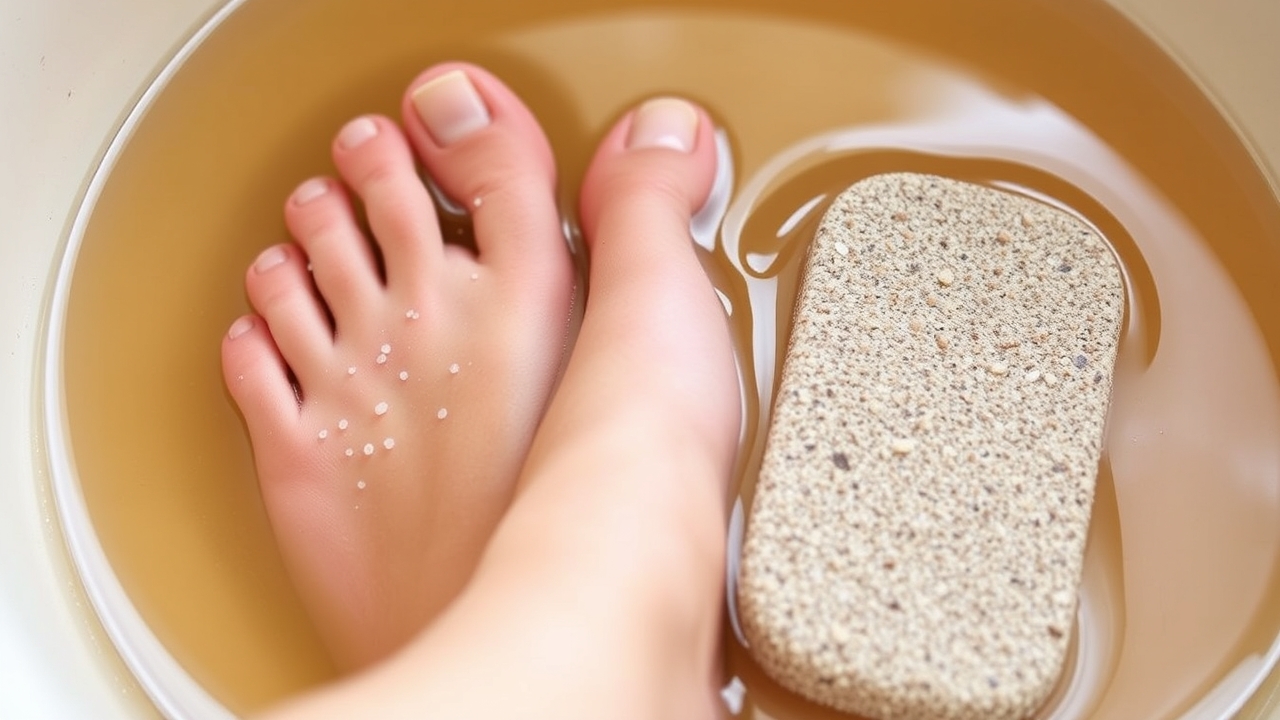
How to Soften Rough Feet at Home: Step-by-Step Guide
Rough feet are a common issue, especially for those who spend long hours on their feet or walk barefoot on hard surfaces. While many turn to salons for a quick fix, a consistent at-home routine can be just as effective—and more convenient. Below, I outline a comprehensive plan to help you soften rough feet, heal cracked heels, and maintain smooth, healthy skin.
Why Soft Feet Matter
- Comfort: Soft skin reduces pressure points and prevents pain during everyday activities.
- Health: Regular exfoliation and moisturization help prevent infections and fungal growth.
- Confidence: Smooth, well‑treated feet look better in open‑toed shoes and give you a sense of self‑care.
Understanding theneeds of Rough Skin
Rough feet often result from a combination of dry skin, callus buildup, and lack of proper cleansing. By addressing each factor, you can create a balanced routine that tackles the root causes rather than just the symptoms.


Cracked Heels Fix: Targeted Steps for Sensitive Areas
Cracked heels can be painful and stubborn. The key is to soften the surrounding skin first, then address the fissures with gentle care.
- Soak the feet in warm water for 10‑15 minutes.
- Use a pumice stone or foot file to gently remove dead skin.
- Apply a thick, occlusive moisturizer or a natural oil blend.
- Wrap the feet with a clean towel or cotton sock to lock in moisture.
- Repeat nightly for 2.xlsx weeks.
Natural Ingredients for Cracked Heels Fix
- Oatmeal – soothing and mild exfoliant.
- Coconut oil – deep hydration and antimicrobial properties.
- Honey – natural humectant that draws moisture into the skin.
- Apple cider vinegar – mild acid that helps dissolve callus.
Foot Care Routine: Building a Sustainable Habit
Consistency is the cornerstone of any successful foot care routine. Below is a simple schedule you can adapt to fit your lifestyle.
Morning Routine
- Wash feet with mild soap and lukewarm water.
- Gently pat dry with a towel.
- Apply a light lotion to keep skin supple.
- Wear comfortable, breathable shoes.
Evening Routine
- Soak feet in a bowl of warm water mixed with a tablespoon of salt for 10 minutes.
- Use a pumice stone to target rough patches.
- Apply a thick moisturizer or a natural oil blend.
- Wrap feet in a cotton sock to seal in moisture.
- Optional: add a drop of essential oil for fragrance.
Weekly Deep Care
- Once a week, replace the regular moisturizer with a thick, emollient balm.
- Consider a gentle foot mask made from mashed avocado or yogurt.
- Use a foot scrub containing gentle exfoliants like sugar or salt.
How to Soften Feet at Home: Tips for Long-Term Success
Beyond the basic routine, a few lifestyle tweaks can accelerate the softening process.
- Stay hydrated—drink at least eight glasses of water daily.
- Wear supportive footwear that fits well.
- Avoid walking barefoot on hard surfaces whenever possible.
- Incorporate a light foot massage into your evening routine.
- Use a humidifier in dry indoor environments.
Self‑Massage Techniques
- Use your thumbs to apply gentle pressure along the arch.
- Roll the heel of your hand over the ball of the foot.
- Finish with a gentle stretch of the toes.
Foot Care Routine for Sensitive Skin
If you have sensitive skin or conditions like eczema, adjust the routine to avoid irritation.
- Choose fragrance‑free, hypoallergenic products.
- Limit soaking time to 8 minutes.
- Patch test new ingredients before full application.
- Consult a dermatologist if persistent irritation occurs.
When to Seek Professional Help
While most rough feet can be managed at home, certain situations warrant professional attention:
- Severe fissures that bleed or show signs of infection.
- Persistent pain that does not improve after a month of home care.
- Underlying medical conditions such as diabetes or circulatory disorders.
In those cases, a foot specialist or podiatrist can provide tailored treatments.
How to Softening Rough Feet at Home Fits into Overall Wellness
Foot health is an integral part of overall well‑being. By incorporating gentle foot care into your routine, you support circulation, reduce stress, and promote a sense of grounding.
Mind‑Body Connection
- Foot massages can stimulate reflex points linked to relaxation.
- Soft, moisturized skin reduces the urge to scratch, lowering anxiety.
غونډ
Sleep Quality
- Soft, clean feet may improve comfort during sleep.
- Reduced foot pain can help maintain a regular sleep schedule.
FAQs About Softening Rough Feet at Home
- How to soften rough feet at home in just one week? Consistent nightly soaking, gentle exfoliation, and thick moisturization can yield noticeable softness within a week, though full recovery may take longer.
- Can I use a regular foot file for rough feet? Yes, a standard foot file works well, but avoid aggressive filing to prevent skin damage.
- Is it safe to use essential oils on feet? If you have sensitive skin, patch test first. Commonly used oils like lavender or tea tree are generally safe in diluted form.
- What if my feet remain rough after two months? Consider consulting a healthcare professional, especially if you have underlying conditions.
For more detailed information on foot care practices, you can refer to the foot care page on Wikipedia.
To explore professional spa treatments that complement your at‑home routine, visit our spa for a personalized experience.
Leave a Reply