Foot care often feels like a luxury, but the truth is that soft, smooth feet can be achieved with a few deliberate steps and a touch of patience. Instead of buying expensive salon treatments, you can rebuild the health of your skin right in your own bathroom. Below is a step‑by‑step routine that blends proven science with everyday household items, all designed to answer the question: how to soften rough feet at home.
Why Do Feet Become Rough?
Our soles are naturally thicker than the rest of our skin. This extra layer—called the stratum corneum—protects us from the constant friction of walking. When the skin loses moisture or is repeatedly rubbed, it hardens into calluses and eventually cracks. Factors that accelerate this process include:
- Wearing tight or poorly ventilated shoes for long periods
- Walking barefoot on hard surfaces like tile or concrete
- Low humidity or cold air that dries skin out
- Dehydration or inadequate daily water intake
- Older age, which naturally slows skin turnover
Understanding the root causes helps you target the right solutions and avoid common pitfalls.


The Core Routine: 4 Simple Steps
Think of the process as a four‑stage cycle: soften, cleanse, hydrate, and seal. Each stage builds on the previous one, ensuring that the skin can absorb moisture and heal effectively.
Step 1 – Warm Water Soak (15–20 minutes)
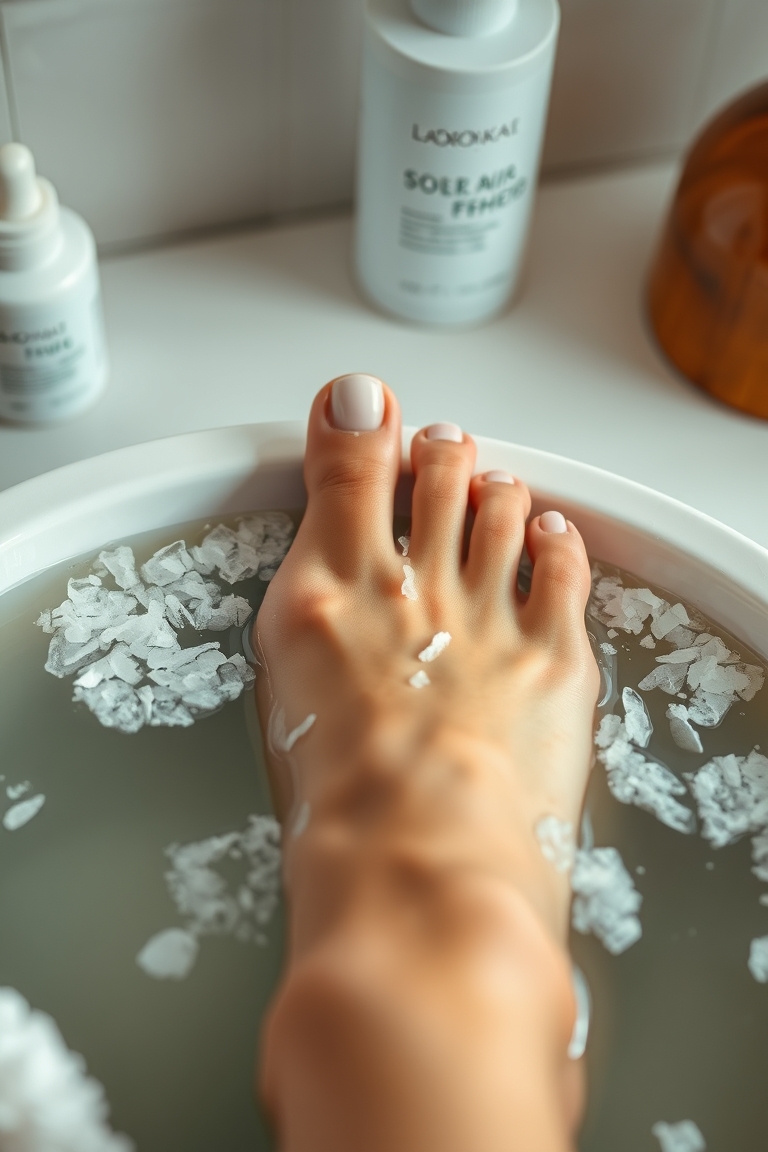
Begin by filling a basin with warm water—comfortably around 40–45°C. Add a tablespoon of mild liquid soap or a splash of apple cider vinegar for pH balance. If you have dry skin, a few tablespoons of Epsom salts can help draw out impurities.
Soak your feet for 15–20 minutes, gently massaging the arches and toes. This not only relaxes the muscles but also softens the keratinized skin, making the next step less abrasive.
Step 2 – Gentle Exfoliation
After soaking, pat your feet dry, leaving a slight sheen of moisture. Now it’s time to remove the softened dead skin. Use one of the following tools, always working on damp skin to prevent tearing:
- Pumice Stone: Hold it at a 45° angle and rub in circular motions for 30–60 seconds per foot.
- Foot File: Glide the file in one direction over the heels and balls of the feet. Avoid back‑and‑forth sawing.
- Electric Callus Remover: If you prefer a powered option, use the lowest setting and move the device in a gentle sweep.
Stop as soon as the skin feels noticeably smoother. Over‑exfoliation can lead to micro‑tears, which may cause infection or trigger the skin to thicken again.
Step 3 – Deep Hydration
Now that the barrier of dead skin is removed, it’s time to feed the living skin. Look for products that contain urea (5–10% concentration) or lactic acid, both of which are proven keratolytics that break down excess keratin. If you prefer natural alternatives, coconut oil, shea butter, or almond oil work wonders.
Apply a generous amount, massaging into the heels, arches, and the balls of the feet. For a salon‑style finish, consider a foot mask that contains honey and oatmeal—both soothing and hydrating.
Step 4 – Occlusive Seal (Nighttime)
To lock in moisture, wrap your feet in a pair of 100% cotton socks. The socks create a warm micro‑environment that encourages deeper absorption. Leave them on overnight and rinse with cool water in the morning.
Weekly Maintenance: Keep the Momentum
After the initial deep‑care routine, the goal shifts to maintenance. Here’s how to keep your feet soft without over‑doing it:
- Daily: Apply a light moisturizer before bed. If you’re prone to dryness, add a drop of vitamin E oil for extra nourishment.
- Twice a Week: Repeat the soak and exfoliate cycle. This frequency is enough to prevent callus buildup but gentle enough to avoid irritation.
- Monthly: Treat yourself to a DIY foot mask—mix mashed avocado with honey and a dash of olive oil, apply for 15 minutes, then rinse. Avocado is rich in fatty acids that replenish skin softness.
Advanced Tips for Persistent Cracked Heels
When cracks are deep or painful, the approach requires a bit more care:
- Apply a thick petroleum jelly or a urea‑based cream to the cracked area and cover with a sterile bandage. This creates a moist healing environment.
- Use a small amount of almond oil to keep the edges supple, preventing the crack from widening.
- If the crack doesn’t improve after a week, schedule a visit with a podiatrist for a professional debridement.
Common Mistakes That Sabotage Soft Feet
Even well‑meaning habits can backfire:
- Over‑filing: Removing too much skin at once forces the body to produce more as a defense.
- Harsh chemical peels: DIY acid treatments can burn the skin, especially if you have diabetes or poor circulation.
- Neglecting the toes and ball of the foot—these areas are equally susceptible to dryness and should receive the same attention as the heels.
Home Remedies That Work
When you want to skip commercial products, your pantry is full of allies:
Honey & Olive Oil Mask
Mix equal parts honey and olive oil. Apply to your feet, wrap in a towel, and leave for 30 minutes. Honey’s natural enzymes gently exfoliate while the oil locks in moisture.
Banana Peel Rub
Inside a ripe banana peel is potassium and vitamin B, which can soften rough skin. Rub the peel against the heel for a few minutes before moisturizing.
Lemon Soak for Brightness
Add the juice of one lemon to your soak. The citric acid offers a mild chemical exfoliation that brightens dull skin and reduces hyperpigmentation.
When Professional Care Is Needed
While most rough feet can be managed at home, certain conditions warrant medical attention:
- Diabetes or peripheral neuropathy—risk of unnoticed injury.
- Bleeding or infected cracks—redness, swelling, or pus.
- Severe fungal infections—persistent itching or scaling.
- Persistent pain or deformities—possible structural issues.
Quick‑Reference Checklist
- Soak: 15–20 minutes in warm water with Epsom salts.
- Exfoliate: Pumice stone or foot file on damp skin.
- Hydrate: Urea cream or natural oil.
- Seal: Cotton socks overnight.
- Maintain: Daily moisturizer + weekly gentle scrub.
Consistency beats intensity. By treating your feet with the same care you give your skin, you’ll reclaim that softness and confidence you deserve.
Frequently Asked Questions
How do I soften rough feet at home quickly?
Combine a warm soak, a gentle pumice rub, a thick urea cream, and overnight cotton socks. You’ll notice softer skin by the next morning.
Can I use a pumice stone every day?
No. Daily use can over‑exfoliate and thicken the skin. Limit to 1–2 times per week.
What is the best ingredient for a cracked heels fix?
Urea is the gold standard due to its dual action as a keratolytic and humectant. Lactic acid and shea butter are excellent alternatives.
Why are my heels still rough after moisturizing?
Without prior exfoliation, the moisturizer sits on top of the dead skin and can’t penetrate. Remove the callus first.
Will cotton socks really help in getting smooth heels?
Yes. They seal the moisture in, create a warm environment, and prevent the cream from rubbing off.
For further reading, see related references on Wikipedia.
Leave a Reply