When the winter boots come off, the skin on your heels and balls of feet can feel like sandpaper. If you want to step into sandals without a second glance at rough patches or calluses, you need a steady rhythm of care that blends professional work and home habits.
The Foundation of Sandal‑Ready Feet
Feet are the body’s largest skin surface, and the heel and ball areas are especially thick. In summer, sweat and sun can strip this skin of its natural oils, leaving it dry and cracked. A sustainable routine hinges on three pillars: gentle exfoliation to remove dead cells, deep hydration to lock in moisture, and protection to shield the skin from the elements.
Daily Hydration Habits
Unlike facial skin, feet lack oil glands, so they need external moisture. Here’s a quick checklist:


- Choose a cream with urea or lactic acid: These ingredients soften hard skin while drawing water into deeper layers.
- Nighttime “sock trick”: Apply a generous layer of cream, slip on cotton socks, and let the skin absorb overnight.
- Skip alcohol‑based lotions: Alcohol evaporates quickly and can dry out the skin even more in hot weather.
Effective Summer Foot Care Strategies
Consistency beats intensity. A single monthly scrub won’t keep calluses at bay when you’re walking on hot sand or wearing tight sandals. Instead, pair weekly exfoliation with daily moisturizing and sunscreen.
The Art of Safe Exfoliation
Exfoliation removes the outermost layer of dead skin, revealing the soft tissue beneath. Over‑aggressive methods can cause micro‑tears that invite infection. Follow these steps for safe, effective results:
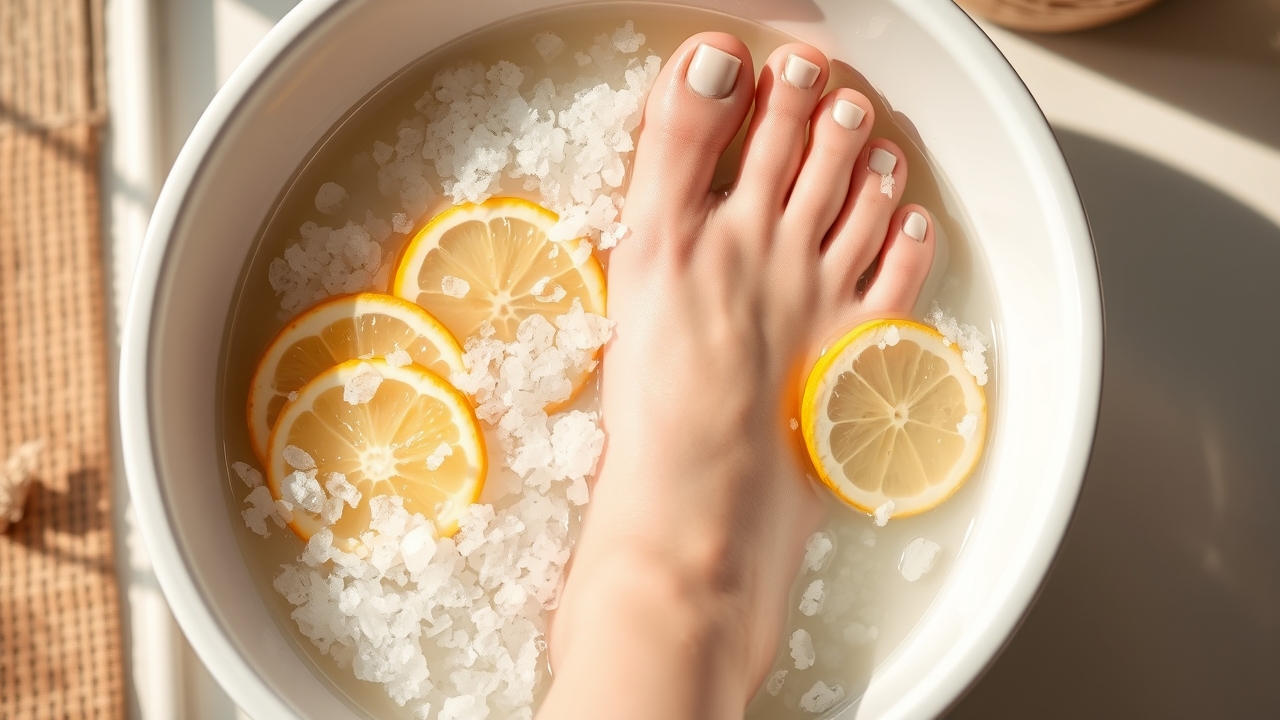
- Soak: Ten minutes in warm water with a tablespoon of Epsom salts softens keratin.
- Buff: Use a pumice stone or a foot file on damp skin. Work in circular motions, focusing on heels and the sides of the big toe.
- Finish: Rinse, pat dry, and apply a rich foot butter to seal in moisture.
Managing Blisters and Friction
New sandals can be a friction factory. Apply a thin layer of anti‑friction balm or a clear barrier stick to high‑contact areas before you step out. If a blister appears, leave the skin intact; it acts as a natural bandage. Cover it with a breathable patch to keep it clean.
How to Maintain Smooth Feet All Summer Long
Think of foot care as a marathon, not a sprint. The goal is to prevent buildup rather than to remove thick calluses after the fact.
The Weekly Home Pedicure Routine
Even a simple routine can keep your feet in peak condition. Here’s a step‑by‑step guide you can do at home:
- Warm Soak: Fill a basin with warm water, add a handful of sea salt, and soak for 10–15 minutes.
- Gentle Scrub: Use a sugar‑based scrub to exfoliate the tops of the feet and between the toes. Sugar’s natural humectant properties draw moisture back into the skin.
- Nail Maintenance: Trim nails straight across, file edges with a glass file, and push cuticles back with a cuticle stick.
- Deep Moisture: Massage a foot butter into arches and ankles, focusing on circulation.
Dealing with Sun Exposure
The tops of your feet are thin and highly susceptible to sunburn. Apply a broad‑spectrum sunscreen with SPF 30 or higher before you head outdoors. If you’re at the beach, remember that sand can act as a natural exfoliant but also pulls moisture from the skin. A post‑beach moisturizing session is essential.
Professional Pedicure for Summer: Why It Matters
Home care is vital, but a professional pedicure offers precision that’s hard to replicate. Technicians use tools that safely remove calluses while preserving healthy skin, and they can spot early signs of fungal infections or nail issues.
The Benefits of Professional Callus Removal
Professional-grade soaking solutions penetrate deeper than standard bath salts, breaking down stubborn calluses. A technician can also trim nails to a safe length, preventing ingrown nails that are common with tight sandals.
The Role of Massage in Foot Health
Feet contain thousands of nerve endings. A foot and calf massage reduces edema, improves lymphatic drainage, and eases the tension that builds from walking in flat sandals. If you’re looking for a solid foundation for your summer routine, visit a professional nail and massage spa.
Advanced Tips for Problem Areas
Every foot is unique. Here are targeted strategies for common issues.
Preventing Cracked Heels
Deep fissures can be painful and prone to infection. Stop using coarse files; instead, focus on “slugging.” Apply a thick moisturizer, seal it with petroleum jelly, and wear cotton socks overnight. This creates a moisture trap that encourages healing from the inside out.
Managing Toe Alignment and Pressure
Flip‑flops offer zero arch support, placing extra pressure on the ball of the foot. Alternate between supportive sandals for walking and flip‑flops for the pool or beach. This balance reduces callus buildup and keeps skin smoother.
Nail Health and Color Choice
Bright neons and whites are classic summer colors, but they can fade under UV exposure. Use a high‑quality UV‑protective top coat to preserve vibrancy and shield the nail plate from damage.
The Connection Between Foot Care and Overall Wellness
Feet are the foundation of posture, gait, and mood. Pain or discomfort in the feet can ripple through the entire body. According to the Wikipedia page on the human foot, the complex structure of bones and ligaments makes the foot highly susceptible to stress. Massage and proper skin care support structural integrity and improve overall well‑being.
The Mental Benefit of Foot Rituals
A foot soak and massage is more than a physical treat; it’s a form of mindfulness. The warm water, scent of essential oils, and the feeling of smooth skin signal the brain that it’s time to unwind, reducing stress levels in a fast‑paced world.
Common Mistakes to Avoid in Summer
- Over‑filing: Removing too much skin can trigger the body to produce more callus as a defense mechanism.
- Walking barefoot in public areas: Gym showers, pool decks, and locker rooms are breeding grounds for fungi. Wear flip‑flops to protect your feet.
- Ignoring the toes: The skin around nail beds can dry out and develop hard cuticles. Use a gentle cuticle softener and push them back after a shower.
- Using harsh chemicals: Strong acids or chemical peels at home can cause burns. Leave these treatments to professionals.
Summary Checklist for Summer Feet
- Daily: Moisturize with a urea‑based cream; apply sunscreen to the tops of feet.
- Weekly: Warm soak, gentle exfoliation with a pumice stone, and a hydrating mask.
- Monthly: Professional pedicure for deep callus removal and nail shaping.
- Always: Wear supportive footwear and protect your feet in public wet areas.
Frequently Asked Questions
What are the best summer foot care tips for very dry skin?
Combine chemical and physical exfoliation. Use a cream with lactic acid or urea daily to dissolve dead skin, and a gentle pumice stone once a week on damp skin. Finish with an occlusive moisturizer and cotton socks to lock in hydration.
How often should I get a professional pedicure to keep my feet sandal‑ready?
Every 3–4 weeks is ideal for most people. If you wear sandals daily or are very active, consider a maintenance visit every two weeks.
Can I use a foot file every day?
No. Daily filing strips the skin’s natural barrier and can lead to irritation or increased callus growth. Limit physical exfoliation to once or twice a week.
How do I stop my heels from cracking during the summer?
Focus on deep hydration. Apply a thick foot balm and avoid walking barefoot on hard surfaces. For deep cracks, a professional pedicure can safely remove hardened edges, allowing the skin to heal.
What is the best way to treat a blister from new sandals?
Clean the area with mild soap and water. Do not pop the blister; cover it with a breathable bandage or hydrocolloid patch to protect it while you continue wearing shoes.
Leave a Reply