Benefits of a pedicure are many, extending well beyond a polished look. When you treat your feet to a thoughtful session, you nurture circulation, relieve tension, and foster a sense of self‑care that ripples through daily life.
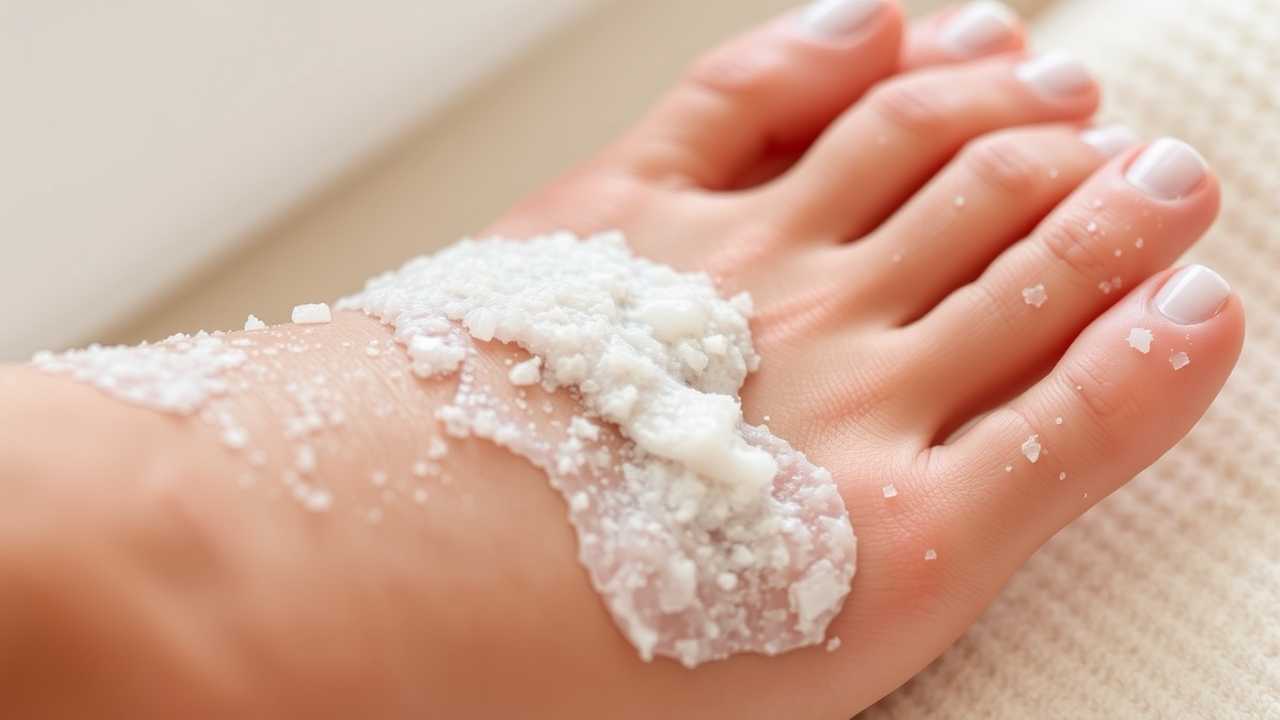
Benefits of a Pedicure
In the world of wellness, foot care is often overlooked, yet it plays a central role in overall health. A pedicure offers a holistic approach: it cleanses, exfoliates, moisturizes, and gives you a moment to pause. Below are key benefits you’ll notice after each visit.
Improved Circulation
- Massage and warm water expand blood vessels, encouraging oxygen and nutrient flow.
- Enhanced circulation helps reduce swelling in the lower limbs.
- Regular sessions can support recovery after long days on your feet.
Stress Relief and Relaxation
Beyond the physical, a pedicure offers a mental reset. The rhythmic strokes, gentle aromatics, and quiet ambiance help lower cortisol levels, promoting a calm mindset. It’s a brief escape that can improve your overall mood.


Skin Health and Nail Strength
By removing dead skin cells and keeping nails trimmed, a pedicure minimizes the risk of fungal infections and ingrown toenails. Moisturizing creams seal in hydration, preventing cracks and fissures that can become painful.
Detoxification
Foot scrubs often contain natural minerals that can draw out toxins. While not a medical substitute, this gentle process helps you feel refreshed and lighter.
Prevention of Foot Problems
Regular foot care flags issues early. Small calluses or bunions can be addressed before they become serious. A pedicure can be the first line of defense against more severe conditions.
What to Expect During a Professional Pedicure
Many people view a pedicure as a simple nail trim, but a full‑service experience involves several stages that each target a specific aspect of foot health. A typical session lasts 45–60 minutes and follows this flow:
- Initial Assessment: The technician will examine your feet for calluses, fungal growth, or other concerns. This step ensures that any medical issues are addressed early.
- Soak: Warm water infused with Epsom salts or essential oils softens skin and eases muscle tension. A 10‑minute soak also helps open pores for deeper cleansing.
- Exfoliation: Using a pumice stone, foot file, or a specialized scrub, the technician removes dead skin. For those with sensitive skin, a gentle, fragrance‑free scrub is recommended.
- Cuticle Care: Cuticles are gently pushed back or trimmed, preventing hangnails and infection. A small amount of cuticle oil is applied to keep the area supple.
- Nail Trimming and Filing: Nails are cut to a safe length and filed straight across to avoid splits. The technician may also shape the nails to suit your shoe style.
- Massage: A combination of reflexology and classic massage techniques stimulates circulation and releases built‑up tension. Oils such as jojoba, almond, or sandalwood enhance the experience.
- Moisturizing: A rich foot cream or balm is massaged into the skin, focusing on heels, arches, and ankles. Some spas add a foot mask for extra hydration.
- Finishing Touches: Finally, polish or natural topcoat is applied. Some clients opt for a quick “no‑gloss” look that still protects the nails.
Each step is designed to improve foot health while delivering a luxurious, relaxing experience.
Choosing the Right Pedicure Style for Your Lifestyle
Pedicures come in a variety of styles, each catering to different needs and preferences. Understanding these options helps you choose the best fit for your schedule, budget, and foot health goals.
Classic Pedicure
Ideal for everyday maintenance, the classic pedicure focuses on nail trimming, cuticle care, and a basic massage. It’s quick, affordable, and perfect for those who want a tidy look without a long commitment.
Deluxe Pedicure
This option adds extra exfoliation, a foot mask, and a more extensive massage. It’s suited for people who spend long hours on their feet or who simply enjoy a more indulgent experience.
Medical Pedicure
Designed for individuals with foot conditions such as diabetes, plantar fasciitis, or severe calluses, a medical pedicure is performed by a licensed podiatrist. It includes specialized tools and techniques to prevent complications.
Eco‑Friendly Pedicure
For eco‑conscious consumers, this style uses biodegradable products, natural oils, and minimal plastic waste. It’s a great choice if you’re looking to reduce your environmental footprint.
Common Foot Problems and How Pedicures Address Them
Many foot issues can be mitigated or even prevented through regular pedicures. Below are common problems and how a pedicure helps:
- Calluses and Corns: Exfoliation removes thickened skin, reducing pressure points and preventing pain.
- Ingrown Toenails: Proper trimming and cuticle care prevent nails from growing into the skin.
- Fungal Infections: Clean, dry feet and the use of antifungal foot powders during the soak reduce the risk of athlete’s foot.
- Plantar Fasciitis: A targeted foot massage stimulates the plantar fascia, easing heel pain.
- Swelling and Poor Circulation: Warm water and massage dilate blood vessels, encouraging fluid drainage.
DIY Pedicure Mistakes to Avoid
While home pedicures are convenient, certain pitfalls can undermine foot health. Avoid these common errors:
- Using Sharp Tools: Nail clippers with dull blades can split nails and cause pain. Replace them regularly.
- Over‑Exfoliating: Aggressive scrubbing can damage the skin barrier, leading to dryness and cracks.
- Neglecting Cuticle Care: Cutting cuticles too aggressively invites infection.
- Skipping Moisturization: Without a good foot cream, your skin will stay dry and cracked.
- Ignoring Foot Hygiene: Failing to clean and dry feet before a pedicure can foster fungal growth.
Tips for Maintaining Healthy Feet Between Sessions
Regular foot care at home extends the benefits of professional pedicures. Try these daily habits:
- Wear Proper Footwear: Shoes with good arch support and a roomy toe box reduce pressure and callus formation.
- Keep Feet Dry: Moisture promotes fungal growth. Use a foot powder or antiperspirant spray if you sweat heavily.
- Hydrate and Moisturize: Apply a rich foot cream or oil every evening, focusing on heels and ankles.
- Inspect Your Feet: Check for cuts, blisters, or redness daily, especially if you have diabetes.
- Exercise Your Feet: Simple stretches, toe curls, and ankle rotations improve circulation and flexibility.
When to Seek Medical Advice
While pedicures are generally safe, certain conditions require professional medical intervention:
- Severe Diabetes: Avoid self‑treating feet; consult a podiatrist for routine checks.
- Open Wounds or Infections: Seek immediate care to prevent complications.
- Persistent Pain or Swelling: A healthcare provider can rule out underlying issues such as arthritis or circulatory disorders.
- Unusual Nail Changes: Dark spots or ridges may signal fungal infections or melanoma.
Integrating Pedicures Into a Holistic Wellness Routine
Combining foot care with other wellness practices amplifies the benefits. Consider these integrations:
- Yoga and Stretching: Pre‑pedicure yoga can loosen the calves and improve blood flow.
- Hydrotherapy: A foot bath with Epsom salts before a pedicure enhances relaxation.
- Mindfulness Meditation: Use the quiet time during the massage to practice deep breathing.
- Nutrition: Adequate hydration and calcium intake support healthy skin and nails.
FAQ
- What are the benefits of a pedicure? A pedicure improves circulation, reduces foot pain, enhances skin and nail health, and offers mental relaxation.
- How often should I get a pedicure? Every two to four weeks is ideal for most people, but adjust based on your activity level and foot condition.
- Can a pedicure help with foot pain? Yes, gentle massage and exfoliation can reduce tension and relieve mild discomfort.
- What should I look for in a foot care spa? Look for professional hygiene practices, skilled technicians, and a calm environment that promotes relaxation.
- Is a pedicure safe for people with diabetes? UFO; consult a healthcare provider first, but regular gentle foot care is usually recommended.
For more detailed information, you can read about the pedicure on Wikipedia, which covers its history, techniques, and cultural significance.
Whether you choose a spa visit or a home routine, embracing the benefits of a pedicure is a simple yet powerful way to nurture your feet and elevate your overall well‑being. Treat your feet with care, and they’ll reward you with comfort, confidence, and a genuine sense of wellness.
Leave a Reply